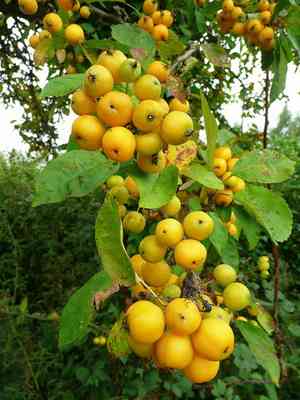
Manchurian crab apple (Malus mandshurica)
Also known as: Manchurian crab apple, Manchurian wild apple
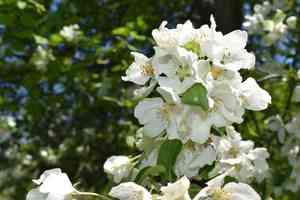
The Manchurian crab apple (*Malus mandshurica*) is a deciduous tree that features striking white blossoms in the spring and small red crabapples that appeal to various wildlife. It thrives in full sun and moist, well-drained soil. This tree also serves as a good windbreak and offers shelter for birds and other animals.
In This Article
Attributes of Manchurian crab apple
Lifespan
Perennial
Plant Type
Tree
Plant Height
9 m to 12 m
Spread
7 m
Leaf Color
Green
Flower Size
4 cm
Flower Color
White
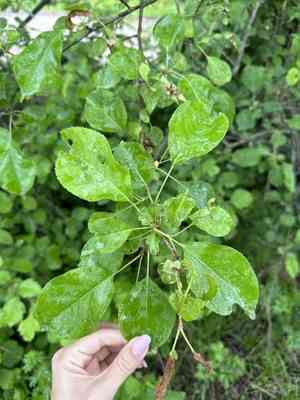
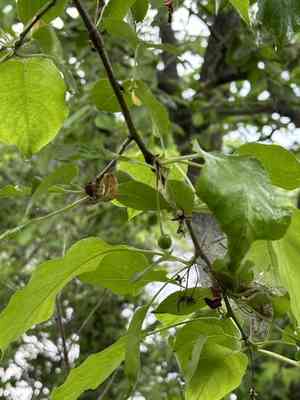
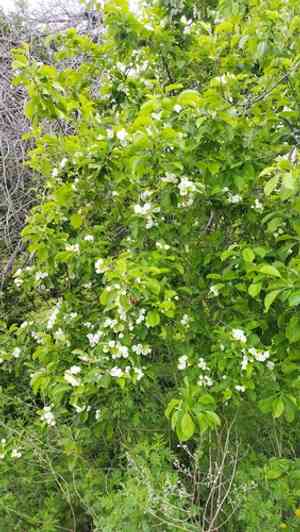
Images of Manchurian crab apple
Quickly Identify Manchurian crab apple
1
To identify Malus mandshurica, look for its broad, round canopy and its ovate, serrated leaves. In spring, it produces clusters of white to pink flowers. In autumn, small, yellow to red apples can be observed.
Scientific Classification of Manchurian crab apple
Phylum
Vascular plants
Class
Dicotyledons
Order
Rosales
Family
Rose
Genus
Malus
Species
Manchurian crab apple
Planting and Growing of Manchurian crab apple
Care Difficulty
Easy
Watering Schedule
Every 3 days
Sunlight Requirements
Partial sun
Sunshine Duration
6-10 hours
Ideal Temperature
60-75℉
Soil Type
Potting Mix, Peat Mix
Soil pH
6.5-7.5
Fertilizer Type
Balanced
Pruning Season
Spring, Summer
Pruning Area
Branches, Leaves
Pruning Frequency
2 times a year
Repotting Season
Spring
Pot Type
Plastic, Ceramic
 How to Water Manchurian crab apple?
The watering amount for Malus mandshurica should be considerable, ensuring that the soil is thoroughly moist but not waterlogged. This translates to roughly 2000 ml of water each session. The goal is to allow the water to reach the deeper roots without sitting stagnant, which could lead to rot.
What are the symptoms of an underwatered Manchurian crab apple?
›
What should I do if my Manchurian crab apple is not getting enough water?
›
What are the symptoms of an overwatered Manchurian crab apple?
›
How to save an overwatered Manchurian crab apple?
›
 What Are the Sunlight Requirements for Manchurian crab apple?
Malus mandshurica thrives under partial to full sun conditions, requiring 6 to 8 hours of daily sunlight. Adequate light promotes vibrant foliage and profuse flowering, essential for ornamental and fruit-bearing performance.
More About Sunlight Requirements Techniques→
Optimal Light Setting
›
Solutions to Achieve Ideal Lighting
›
Benefits of Ideal Lighting
›
 What Is the Ideal Temperature Range for Manchurian crab apple?
The ideal temperature range for the growth of Malus mandshurica, commonly known as Manchurian apple, is between 60°F and 75°F. Within this range, the plant can carry out its physiological processes efficiently, including photosynthesis and respiration. Providing a consistent temperature within this range will ensure optimal growth and development.
 What Soil is Best for Manchurian crab apple?
Malus mandshurica thrives best in well-drained soils, which help prevent root rot by avoiding waterlogging. A well-drained substrate ensures healthy root growth, particularly during rainy periods, by allowing excess water to freely exit, thus keeping the soil aerated. The plant benefits significantly from soils rich in organic matter, which provide essential nutrients for growth. Incorporating compost or well-rotted manure can enhance soil fertility, supporting robust blossom and fruit production. Even though good drainage is vital, Malus mandshurica also requires a certain degree of moisture retention to avoid drought stress. This balance supports ongoing growth, particularly during hotter months, keeping the plant healthy and productive.
 How to Fertilize Manchurian crab apple?
For Malus mandshurica, a balanced approach is essential. During the active growing season—spring through summer—incorporate approximately 1 ounce of liquid fertilizer per gallon of water when watering. Ensure the concentration is adequate to nourish without overloading.
 How to Prune Manchurian crab apple?
Start by cutting away any dead, damaged, or diseased branches. This helps prevent the spread of disease and ensures that the tree's energy is focused on healthy growth. Approach the task with the goal of maintaining a balanced and open structure. Begin by identifying the main leader and removing any competing branches to create a more streamlined shape. Selectively remove branches in areas where they are too dense. This improves airflow and light penetration, which is essential for fruit development and disease prevention.
More About Pruning Techniques→
 How to Propagate Manchurian crab apple plant?
1
Collect seeds from fully mature fruits. Clean the seeds to remove any pulp, and air-dry them before sowing. This ensures that they are not carrying any fruit diseases.
2
Select healthy branches and cut them into segments. Remove leaves from the lower part of the cutting to focus energy on root development.
3
Choose the rootstock and scion carefully, ensuring they are compatible. Make precise cuts to ensure a good fit and secure them with grafting tape.
 How to Repot Manchurian crab apple plant?
1
Repot Malus mandshurica when its roots begin to emerge from the drainage holes or the plant seems to outgrow its current pot, usually every 2-3 years. Early spring or late autumn are ideal times as the plant is in a dormant phase, minimizing shock and allowing roots to establish before the active growing season.
2
Choose a pot that is one size larger than the current one, with good drainage holes. This prevents waterlogging and provides space for the roots to expand, promoting healthy growth. A pot made of breathable material like terracotta can also help regulate soil moisture.
3
Select a loamy, well-drained soil mix. This type of soil provides the perfect balance of moisture retention and drainage, ensuring the roots are neither too dry nor too wet. Adding a bit of organic matter can also enhance the soil's nutrient content and structure.



