How Much Sunlight Do False babystars Need?
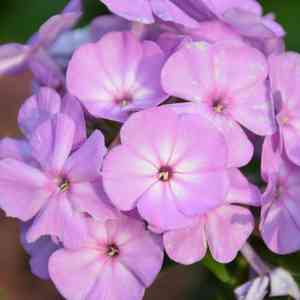
1
False babystars flourish optimally in abundant sunlight, meaning over 6 hours of direct sun each day.
2
Observe for indications of sun damage, such as scorched leaves during peak summer heat, signaling excessive sun exposure.
3
Cultivating False babystars indoors is achievable if you supply ample, filtered light or employ artificial grow lamps.
What are the Sunlight Requirements for False babystars?
Ideal Sunlight Exposure
False babystars are known for their vibrant flowers and resilient nature. For optimal development, these plants require full sun, meaning at least 6 hours of direct sunlight daily. Full sun exposure promotes robust growth and encourages abundant blooming. While they can tolerate partial sun, around 4-6 hours of direct sunlight, they may not thrive as vigorously or produce as many blossoms.
Duration of Sunlight
Regarding sunlight, consistency is crucial for False babystars. Aim for 6-8 hours of direct sunlight each day. If cultivating them in an area with less sunlight, consider relocating the pot periodically to capture more sun or employing reflective surfaces to boost light exposure.
Seasonal Sunlight Variations
Seasonal changes can impact the quantity and intensity of sunlight your False babystars receive. In spring and summer, plants generally get sufficient sunlight. However, during autumn and winter, when daylight hours are shorter, you might need to modify their placement or utilize artificial lighting to ensure their continued prosperity.
How to Identify Sunlight Stress in False babystars?
Signs of Too Much Sun
Excessive sunlight can lead to sun stress in False babystars. Indicators include leaf scorch, where leaf edges turn brown and crisp, or bleached, pale areas on the foliage. High summer temperatures combined with intense sunlight can worsen these symptoms, making midday shade potentially necessary.
Signs of Insufficient Sun
Inadequate sunlight can result in etiolated growth, where stems become elongated and weak as the plant stretches toward the light. Additionally, the plant may produce fewer flowers or none at all. Leaves can also deepen in green color as the plant attempts to adjust to the lack of light.
Best Locations for Planting False babystars
Choosing the Right Spot in Your Garden
When planting False babystars in your garden, select a location that receives full sunlight for most of the day. South-facing gardens are typically optimal. Ensure the spot has well-draining soil to prevent waterlogging, which can harm roots and impede growth.
Indoor vs. Outdoor Placement
False babystars can be cultivated both indoors and outdoors depending on the environment. Outdoors, they should be planted in areas with ample sunlight. Indoors, position them near a sunny window where they can receive bright, indirect light. If natural light is insufficient, use grow lights to supplement their requirements.
Optimizing Sunlight for False babystars
Using Sunlight Exposure Tools
Sunlight exposure tools, such as light meters, can help you determine the precise amount of light your False babystars are receiving. These tools provide accurate measurements of light intensity and duration, enabling you to adjust placement or shading as needed to optimize growth.
Adjusting Sunlight Based on Growth Stages
Different growth phases of False babystars may demand varying amounts of sunlight. Young seedlings might require a bit more protection from intense sun to prevent burning, while mature plants can handle full sun exposure. Adjust sunlight gradually to help the plant adapt without shock.
Supplementing with Artificial Light
In environments where natural sunlight is insufficient, especially during winter months or in indoor settings, supplementing with artificial light can be advantageous. Utilize full-spectrum grow lights to mimic natural sunlight. Position the lights 12-18 inches (30-45 cm) above the plants and keep them on for approximately 12-14 hours daily to ensure your False babystars receive adequate light.



