
False babystars (Leptosiphon androsaceus)
Also known as: False Babystars, Sierra Linanthus
The **Matilija poppy** (*Romneya coulteri*) is primarily native to California, though it can also be found in other parts of western North America. Known for its exceptional drought tolerance and stunning, large flowers, it is frequently grown as an ornamental plant in arid regions. Blooming from spring to early summer, the Matilija poppy produces striking white flowers with a yellow center, sometimes exhibiting a slight purple hue.
In This Article
Attributes of False babystars
Lifespan
Annual
Plant Type
Herb
Plant Height
20 cm to 30 cm
Spread
Up to 6 inches
Leaf Color
Green
Flower Size
2.5 cm to 5 cm
Flower Color
White Pink Purple
Images of False babystars
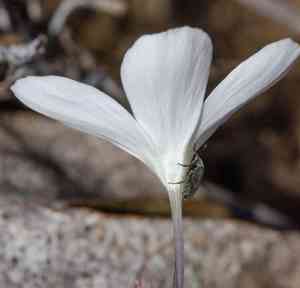
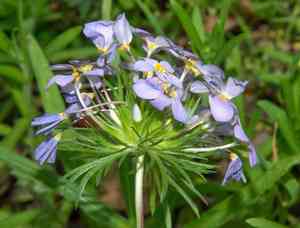
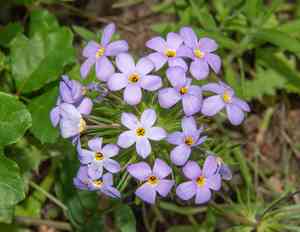
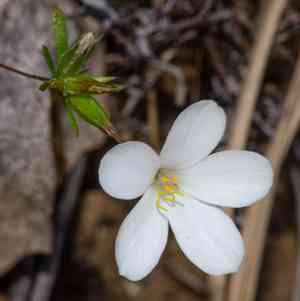
Quickly Identify False babystars
1
Leptosiphon androsaceus can be identified by its small, star-shaped flowers and finely divided, needle-like leaves. Look for small clusters of flowers with a tubular base and lobed petals.
Scientific Classification of False babystars
Phylum
Vascular plants
Class
Dicotyledons
Order
Ericales
Family
Phlox
Genus
Leptosiphon
Species
False babystars
Planting and Growing of False babystars
Care Difficulty
Easy
Watering Schedule
Every 2 days
Sunlight Requirements
Full sun
Sunshine Duration
6-12 hours
Ideal Temperature
60-75℉
Soil Type
Potting Mix, Peat Mix
Soil pH
6.5-7.5
Fertilizer Type
Balanced
Pruning Season
Spring, Summer
Pruning Area
Branches, Leaves
Pruning Frequency
2 times a year
Repotting Season
Spring
Pot Type
Plastic, Terracotta
 How to Water False babystars?
For Leptosiphon androsaceus, provide approximately 250 ml of water each time. Ensure the soil is moist but not waterlogged as this plant thrives in well-drained soil. Water enough so the moisture reaches the root zone but avoid soaking the foliage.
What are the symptoms of an underwatered False babystars?
›
What should I do if my False babystars is not getting enough water?
›
What are the symptoms of an overwatered False babystars?
›
How to save an overwatered False babystars?
›
 What Are the Sunlight Requirements for False babystars?
Leptosiphon androsaceus ideally requires full to partial sunlight. Proper sunlight exposure enhances the plant's blooming performance, ensuring prolific and vibrant flowers throughout the growing season.
More About Sunlight Requirements Techniques→
Question 1: What is the ideal sunlight requirement for Leptosiphon androsaceus?
›
Question 2: How to ensure Leptosiphon androsaceus gets optimal sunlight?
›
Question 3: What benefits does Leptosiphon androsaceus obtain under ideal sunlight conditions?
›
 What Is the Ideal Temperature Range for False babystars?
The ideal temperature range for Leptosiphon androsaceus is between 60°F and 75°F. This range provides optimal conditions for the plant's growth, ensuring that it receives enough warmth for photosynthesis while preventing heat stress. Maintaining these temperatures can help the plant thrive, producing vibrant blooms and healthy foliage.
 What Soil is Best for False babystars?
Leptosiphon androsaceus thrives in well-drained soil, allowing excess water to flow away quickly. This prevents root rot and ensures the roots have access to necessary oxygen, promoting healthy growth and vibrant blooms. The plant benefits from nutrient-rich soil that provides essential minerals and organic matter. This supports robust growth and stronger resistance to pests and diseases, ensuring a thriving plant presence. This plant prefers soils with low to moderate moisture retention, as overly wet conditions can harm its root structure. Proper moisture management promotes root health and sustained plant vigor.
 How to Fertilize False babystars?
For Leptosiphon androsaceus, use a balanced, water-soluble fertilizer diluted to half the recommended strength to prevent over-fertilization. Just enough to support growth without overwhelming the plant's natural nutrient uptake processes.
 How to Prune False babystars?
Prune during the growing seasons—spring, summer, or early autumn—when the plant is active. This ensures that your Leptosiphon androsaceus quickly recovers and continues to grow healthily after pruning. After pruning, water the plant thoroughly and consider feeding it with a balanced fertilizer to support regrowth. Monitor it for signs of stress or disease, adjusting your watering and feeding routine as necessary.
More About Pruning Techniques→
 How to Propagate False babystars plant?
1
Before planting, soak the Leptosiphon androsaceus seeds overnight in water. This helps soften the seed coat and speeds up the germination process, providing the seeds with an optimal start.
2
Place the prepared seeds onto the surface of a seed tray filled with well-draining potting mix. Gently press the seeds into the soil but do not cover them, as they require light to germinate.
3
Regularly mist the soil to keep it consistently moist but not waterlogged. Ensure the soil surface remains damp throughout the germination period until seedlings establish roots.
 How to Repot False babystars plant?
1
Leptosiphon androsaceus should be repotted when you notice roots emerging from the drainage holes or when growth appears stunted. Additionally, if the plant seems to dry out faster than it used to, these are signs the plant might be root-bound and in need of a new pot.
2
Select a pot that is just one size larger than the current one. The bigger size helps accommodate the root growth without overwhelming the plant. A pot with ample drainage holes ensures that water drains properly, preventing root rot and helping maintain the plant’s health.
3
Opt for a well-draining potting mix that retains some moisture but doesn’t remain soggy. A mix with sand or perlite is ideal as it enhances drainage and aeration, essential for healthy root development, while preventing waterlogging issues.
Learn More About False babystars Diseases
Anthracnose
Bacterial Leaf Spot
Bacterial Wilt
Chemical Injury
Crown Gall
Cyst Nematode
Damping-off
Downy Mildew
Drought Stress
Fusarium Wilt
Gray Mold
Leaf Curl
Leaf Spot
Mosaic
Nutrient Deficiency
Nutrient Toxicity
Powdery Mildew
Root Rot
Root-knot Nematode
Rusts
Sooty Mold
Spider Mites
Temperature Stress
Thrips Damage
White Mold



