How Much Sunlight Do Bush morning glory Need?
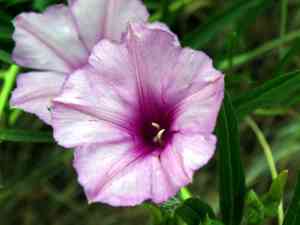
1
Bush morning glory flourishes optimally with ample sunlight, requiring more than six hours of direct sun each day.
2
Morning sun is especially advantageous for Bush morning glory, aiding in the evaporation of dew and minimizing fungal issues.
3
Observe for indicators of distress such as scorched leaves or stunted development to regulate your Bush morning glory's light exposure.
Ideal Light Conditions for Bush morning glory
Distinguishing Full Sun from Partial Shade
For Bush morning glory, 'full sun' signifies receiving over six hours of direct solar exposure daily. This plant originates from areas with abundant sunshine, thriving naturally under such conditions. Conversely, partial shade means roughly 3-6 hours of direct sunlight, often during cooler periods. While Bush morning glory can endure some partial shade, it won't achieve peak growth and vivid blooms without ample light.
Advantages of Morning Sun
Morning sunlight is especially beneficial for Bush morning glory. The cooler morning rays are less harsh than midday sun and aid in evaporating dew from leaves, thereby lowering the risk of fungal diseases. This is particularly vital in humid environments. Furthermore, morning sun offers a gentle yet effective light source, fostering photosynthesis and overall plant vitality.
Ensuring Adequate Sunlight Exposure
Positioning Your Bush morning glory
When planting Bush morning glory in your garden, choose a spot that receives full sunlight for most of the day. Ideally, this area should be clear of obstructions like large trees or structures that could cast shadows. If cultivating in a container, consider placing it on a south-facing balcony or patio to ensure it gets the necessary light.
Utilizing Reflective Surfaces
Another useful tip is to employ reflective materials near your Bush morning glory. Mirrors or light-colored walls can bounce additional light onto the plant, mimicking a full sun setting even if some areas are slightly shaded. This can be especially helpful in urban gardens or spaces with limited direct light.
When to Employ Supplemental Grow Lights
Artificial grow lights can be crucial if natural sunlight is insufficient, particularly during colder months. Make sure to select full-spectrum lights to replicate natural sunlight. Position the lights approximately 30-45 cm (12-18 inches) above the plant and operate them for 12-16 hours daily to supplement natural light.
Indicators of Insufficient or Excessive Sunlight
Recognizing Sunburn on Foliage
Leaf sunburn manifests as scorched, brown patches, primarily on the edges or tips of the leaves. This condition points to overexposure to intense sunlight. If you observe these marks, consider providing temporary shade during the hottest part of the day or relocating potted Bush morning glory to a spot with filtered light.
Detecting Signs of Inadequate Sunlight
Symptoms of insufficient sunlight include elongated stems, smaller leaves, and reduced flowering. Additionally, the plant might display a pale green color instead of its characteristic vibrant hue. These signs suggest the Bush morning glory is not receiving enough energy from the sun, and you should adjust its placement to increase light exposure.
Modifying Sunlight Exposure
Adjusting your plant's sunlight exposure may require gradual acclimatization to prevent shock. If you need to move it to a sunnier location, do so incrementally over one to two weeks. For instance, begin by increasing sunlight exposure by an hour each day until it reaches the optimal duration.
Seasonal Light Changes and Bush morning glory
Managing Winter Light
During winter, days are shorter, and sunlight is generally less intense. It might be necessary to move your Bush morning glory to a brighter location or use artificial grow lights. If you are in a particularly harsh climate, consider bringing the plant indoors to ensure it receives adequate light.
Maximizing Summer Light Exposure
In summer, Bush morning glory thrives in abundant sunlight. However, be mindful of extreme heat. Ensure the plant is well-hydrated and potentially offer partial shade during severe heatwaves to prevent sunburn. Mulching can also help keep the soil cooler and moist.
Adapting to Varying Day Lengths
As day lengths naturally change throughout the year, monitor your Bush morning glory's exposure and make necessary adjustments. This might involve repositioning it to optimize daily sunlight intake or modifying artificial light schedules to ensure consistent growth conditions.



