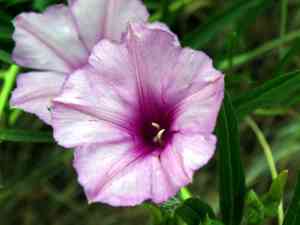
Bush morning glory (Ipomoea leptophylla)
Also known as: Bush Morning Glory
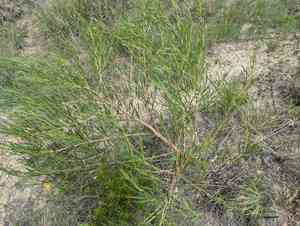
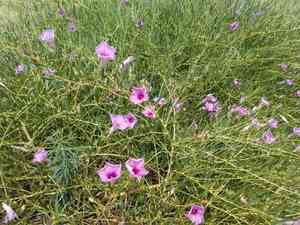
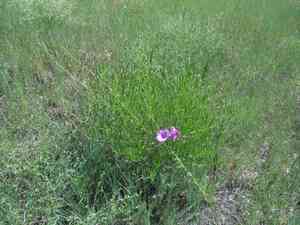
*Ipomoea leptophylla*, commonly known as bush morning glory, is a perennial herbaceous plant native to the warm temperate regions of western North America. Unlike most Morning glories that are vines, this species grows as a bush. It features trumpet-shaped flowers that bloom in the summer, opening early in the morning and wilting by the end of the day.
In This Article
Attributes of Bush morning glory
Lifespan
Perennial
Plant Type
Herb
Plant Height
30 cm to 91 cm
Spread
1 m
Leaf Color
Green
Flower Size
5 cm to 8 cm
Flower Color
Purple Pink
Images of Bush morning glory
Quickly Identify Bush morning glory
1
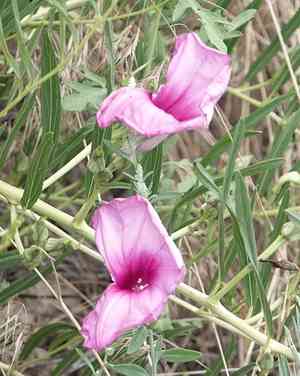
It can be identified by its distinctive long, narrow leaves and large, trumpet-shaped flowers that are usually pink or purple. The plant often forms woody stems at the base, and it grows in a bush-like form.
Scientific Classification of Bush morning glory
Phylum
Vascular plants
Class
Dicotyledons
Order
Solanales
Family
Morning-glory
Genus
Morning glories
Species
Bush morning glory
Planting and Growing of Bush morning glory
Care Difficulty
Easy
Watering Schedule
Every 2 days
Sunlight Requirements
Full sun
Sunshine Duration
4-6 hours
Ideal Temperature
68-86℉
Soil Type
Potting Mix, Peat Mix
Soil pH
6.5-7.5
Fertilizer Type
Balanced
Pruning Season
Spring, Summer
Pruning Area
Branches, Leaves
Pruning Frequency
2 times a year
Repotting Season
Spring
Pot Type
Plastic, Ceramic
 How to Water Bush morning glory?
Ipomoea leptophylla, commonly known as Bush Morning Glory, requires about 500 milliliters of water per watering session. The objective is to provide sufficient moisture to penetrate deep into the dry soil, mimicking its natural desert habitat where the water quickly drains away. Water thoroughly until the topsoil feels evenly moist, but take care not to saturate the soil entirely.
What are the symptoms of an underwatered Bush morning glory?
›
What should I do if my Bush morning glory is not getting enough water?
›
What are the symptoms of an overwatered Bush morning glory?
›
How to save an overwatered Bush morning glory?
›
 What Are the Sunlight Requirements for Bush morning glory?
Ipomoea leptophylla thrives best with full sun exposure. Ideal lighting ensures lush foliage and prolific blooming, fostering a strong, healthy plant with a resilient root system.
More About Sunlight Requirements Techniques→
What is the ideal light for Ipomoea leptophylla?
›
How can I ensure it gets enough sunlight?
›
What benefits come from ideal lighting for this plant?
›
 What Is the Ideal Temperature Range for Bush morning glory?
The ideal temperature range for cultivating Ipomoea leptophylla is between 68°F and 86°F, which provides the plant with optimal growth conditions. This range supports photosynthesis and other metabolic processes, ensuring the plant thrives and flowers healthily. Consistently maintaining these temperatures can lead to robust growth and vibrant blooms.
 What Soil is Best for Bush morning glory?
Ipomoea leptophylla thrives in well-draining soils. Good drainage prevents root rot and promotes healthy growth by allowing excess water to escape, providing roots the oxygen they need to function optimally. The plant requires soils with moderate nutrient content. While it prefers less fertile soils, ensuring a basic supply of essential nutrients helps maintain its health, growth, and flowering capabilities. Loose, sandy textures are preferred as these allow roots to expand easily and access necessary nutrients. This promotes a robust root system that can better support the plant in varied conditions.
 How to Fertilize Bush morning glory?
For Ipomoea leptophylla, also known as the bush morning glory, a balanced dose of fertilizer is crucial. A typical amount is about 1/4 cup of liquid fertilizer mixed into a gallon of water or using 1-2 tablespoons of granular fertilizer per plant each time you fertilize. The plant thrives best when the soil maintains moderate fertility without becoming too rich.
 How to Prune Bush morning glory?
Pruning Ipomoea leptophylla, commonly known as bush morning glory, requires careful attention to preserve its natural beauty while promoting healthy growth. Start by examining the plant for dead or damaged stems, which should be removed to prevent disease and encourage new growth. Pruning should be done cautiously, cutting just above a leaf node to ensure new shoots can develop. Aim to maintain the plant's natural form by trimming back only the excessive growth that disrupts its desired shape. Pruning in the early spring can invigorate the plant as it enters its growing phase. Remember to use sharp, clean pruning shears to make clean cuts, which helps to minimize stress on the plant.
More About Pruning Techniques→
 How to Propagate Bush morning glory plant?
1
Gently collect the mature seeds from the dried seed pods of Ipomoea leptophylla, ensuring they are fully ripe for optimal germination rates.
2
Select healthy stems from the parent plant, and use pruning shears to make 4-6 inch cuttings. Remove the lower leaves to support root development.
3
After taking cuttings, dip the cut end in rooting hormone to encourage root growth, then plant them in a pre-moistened soil medium.
 How to Repot Bush morning glory plant?
1
Ipomoea leptophylla should be repotted when you notice the roots are circling the bottom of the pot or coming out through the drainage holes. Other signs include slowed growth or the soil drying out too quickly. If the plant appears top-heavy or wobbly, it’s also a good indication that repotting is necessary.
2
Select a pot that is one size larger than the current one. Ensure it has good drainage holes at the bottom. Using a slightly larger pot allows the roots to grow and helps prevent waterlogging, which is crucial for the health of Ipomoea leptophylla. A pot made from breathable material like terracotta can help with moisture control.
3
Choose a well-draining sandy soil mix, as this plant thrives in such conditions. The right soil mix prevents root rot by ensuring excess moisture drains away quickly. A blend containing sand, perlite, and a bit of organic matter will provide the needed nutrients while maintaining proper aeration.
Toxicity
Ingestion
WARNING
The judgment on toxicity and danger is for reference only. We DO NOT GUARANTEE any accuracy of such judgment. Therefore, you SHALL NOT rely on such judgment. It is IMPORTANT TO SEEK PROFESSIONAL ADVICE in advance when necessary.
Learn More About Bush morning glory Diseases
Anthracnose
Bacterial Leaf Spot
Bacterial Wilt
Cyst Nematode
Damping-off
Downy Mildew
Drought Stress
Fusarium Wilt
Gray Mold
Leaf Spot
Mosaic
Nutrient Deficiency
Nutrient Toxicity
Powdery Mildew
Root Rot
Root-knot Nematode
Rusts
Sooty Mold
Spider Mites
Temperature Stress
Thrips Damage
White Mold
Chemical Injury



