How Much Sunlight Do Fritillaria verticillata thunbergii Need?
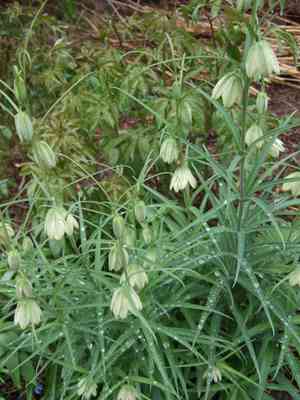
1
Fritillaria verticillata thunbergii flourishes when exposed to 6-8 hours of direct sun each day.
2
A lack of adequate light may result in elongated stems and foliage discoloration.
3
Excessive intense sun exposure has the potential to scorch the leaves.
Optimal Light Requirements for Fritillaria verticillata thunbergii
Full Sun vs. Partial Shade Preferences
Understanding the light preferences of Fritillaria verticillata thunbergii, balancing between full sun and partial shade, is essential. This robust plant thrives in full sunlight but also copes well with partial shade. Ideally, it needs 6 to 8 hours of sun daily. Nevertheless, in areas with intense sun, providing some afternoon shade can prevent damage. Fritillaria verticillata thunbergii's adaptability makes it suitable for diverse garden settings.
Daily Light Exposure Guidelines
Consistent daily light exposure is crucial for the vitality of Fritillaria verticillata thunbergii. Aim for 6 to 8 hours of sunlight each day for optimal growth. Morning sun is particularly advantageous as it is typically less intense than the afternoon sun. If your plant appears to be getting excessive strong sunlight, consider moving it or offering shade during the sun's peak hours.
Consequences of Excessive Sunlight on Fritillaria verticillata thunbergii
Identifying Sunburn Symptoms
Too much sunlight can overwhelm Fritillaria verticillata thunbergii, leading to sun scorch. Indicators of sunburn include browned, brittle leaf edges and bleached patches. If ignored, prolonged exposure to strong sunlight can hinder the plant's development and reduce its overall vigor, increasing its vulnerability to pests and diseases.
Protective Measures Against Sunburn
To prevent Fritillaria verticillata thunbergii from sunburn, offer a bit of afternoon shade, especially in the warmest summer months. You can use garden fabric or position the plant near taller vegetation or structures that can provide intermittent shade. Regularly inspecting the plant and adjusting its placement can help avoid sunburn while ensuring it receives sufficient light.
Impact of Insufficient Sunlight on Fritillaria verticillata thunbergii
Detecting Low Light Indicators
A lack of adequate sunlight can be as harmful as excessive sun. If Fritillaria verticillata thunbergii receives too little light, it may develop elongated stems with sparse foliage. The leaves might turn yellow, and the plant's growth could significantly slow down. Early recognition of these signs and prompt corrective action are vital.
Remedial Steps for Poor Lighting
If you suspect your Fritillaria verticillata thunbergii isn't getting enough light, consider relocating it to a brighter spot. For indoor plants, placing it near a south-facing window can be beneficial. For outdoor plants, ensure they are not shaded by taller plants or structures that block sunlight. Monitoring the plant's light conditions will help maintain its health and vibrancy.
Seasonal Light Requirements for Fritillaria verticillata thunbergii
Spring and Summer Sun Needs
Fritillaria verticillata thunbergii thrives in the ample sunlight available during spring and summer. These seasons offer ideal conditions with extended daylight hours, fostering robust growth and flowering. However, it's crucial to watch for signs of overheating as temperatures rise and provide shade if needed during the hottest parts of the day.
Fall and Winter Light Needs
During fall and winter, daylight hours decrease, and the sun's intensity wanes. Ensuring Fritillaria verticillata thunbergii gets enough light in these seasons can be challenging. For outdoor plants, consider moving them to capture maximum sunlight. Indoor plants might benefit from supplementary grow lights to sustain healthy growth during these darker periods.
Light Management Strategies for Indoor and Outdoor Fritillaria verticillata thunbergii
Optimal Care for Indoor Specimens
When cultivating Fritillaria verticillata thunbergii indoors, placement is paramount. Select a location near a window that receives ample sunlight, ideally a south-facing window for maximum light exposure. If natural light is insufficient, especially during shorter winter days, consider using full-spectrum grow lights to supplement its light requirements. Regular rotation of the plant also ensures uniform light distribution and prevents uneven growth.
Outdoor Cultivation Guidance
For outdoor Fritillaria verticillata thunbergii, choosing the correct site is critical. An area that receives morning sun and afternoon shade is generally perfect. This arrangement utilizes the milder morning rays while shielding the plant from the harsher midday and afternoon sun. Applying mulch around the plant can help retain moisture and regulate soil temperature, providing a stable growing environment.



