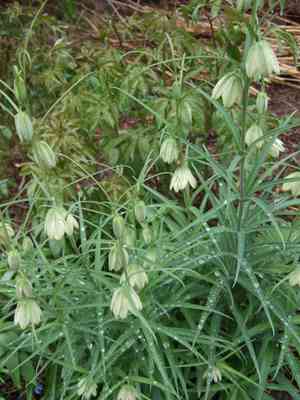
Fritillaria verticillata thunbergii (Fritillaria thunbergii)
Also known as: Thunberg fritillary, Zhe Bei Mu, Japanese Fritillary
The daylily (Hemerocallis) has been cultivated in China for more than 700 years, where it is valued both as a medicinal herb and a food source. The plant's flowers and young shoots are often consumed, while the bulbs are sometimes candied or fried. Daylilies are known for their resilience against deer and rabbits but can fall prey to slugs and lily beetles. They are well-suited for rock gardens and container planting.
In This Article
Attributes of Fritillaria verticillata thunbergii
Lifespan
Perennial
Plant Type
Herb
Plant Height
80 cm
Spread
0 mm to 10 cm
Leaf Color
Green Orange
Flower Size
2.5 cm
Flower Color
Yellow Cream Purple Brown
Images of Fritillaria verticillata thunbergii
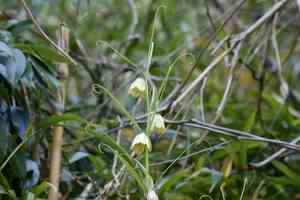
Quickly Identify Fritillaria verticillata thunbergii
1
Identify Fritillaria thunbergii by its distinctive bell-shaped flowers, usually greenish-yellow with purple checks. The plant has basal leaves in a rosette and lanceolate upper leaves.
Scientific Classification of Fritillaria verticillata thunbergii
Phylum
Vascular plants
Class
Monocotyledons
Order
Lilies, supplejacks and allies
Family
Lily
Genus
Fritillaries
Species
Fritillaria verticillata thunbergii
Planting and Growing of Fritillaria verticillata thunbergii
Care Difficulty
Moderate
Watering Schedule
Every 3 days
Sunlight Requirements
Partial sun
Sunshine Duration
4-8 hours
Ideal Temperature
59-77℉
Soil Type
Potting Mix, Peat Mix
Soil pH
6.5-7.5
Fertilizer Type
Balanced
Pruning Season
Spring, Summer
Pruning Area
Branches, Leaves
Pruning Frequency
2 times a year
Repotting Season
Spring
Pot Type
Ceramic, Plastic
 How to Water Fritillaria verticillata thunbergii?
Fritillaria thunbergii requires moderate watering; the soil should be moist but not soggy. Each time you water, ensure the top 2-3 inches of soil are dry, then water thoroughly, allowing around 200ml to soak in. The aim is to reach the plant's roots, especially during its active growth phases.
What are the symptoms of an underwatered Fritillaria verticillata thunbergii?
›
What should I do if my Fritillaria verticillata thunbergii is not getting enough water?
›
What are the symptoms of an overwatered Fritillaria verticillata thunbergii?
›
How to save an overwatered Fritillaria verticillata thunbergii?
›
 What Are the Sunlight Requirements for Fritillaria verticillata thunbergii?
Partial sun to full sun in the morning, providing the plant the necessary photosynthesis benefits and promotes healthy blooming.
More About Sunlight Requirements Techniques→
What is the best location for optimal light?
›
How can I ensure my plant gets enough light indoors?
›
What benefits does ideal lighting provide Fritillaria thunbergii?
›
 What Is the Ideal Temperature Range for Fritillaria verticillata thunbergii?
Fritillaria thunbergii thrives best in temperatures ranging from 59°F to 77°F. Maintaining this range helps ensure the plant's healthy growth, proper flowering, and optimal photosynthesis rates, contributing to its overall vigor and resilience.
 What Soil is Best for Fritillaria verticillata thunbergii?
Fritillaria thunbergii thrives best in well-drained soil, which allows excess water to escape quickly. This prevents the roots from rotting and helps the plant develop a robust root system essential for healthy growth. This plant prefers soil that is rich in organic matter which provides the nutrients necessary for its vibrant foliage and flowers. Ensuring that the soil is fertile will enhance the plant's growth and flowering potential. While Fritillaria thunbergii enjoys well-drained soil, it also needs soil that can retain some moisture to support its growth. Achieving a balance in moisture retention is key to simulating its natural habitat.
 How to Fertilize Fritillaria verticillata thunbergii?
Fritillaria thunbergii, commonly known for its medicinal properties, requires a balanced approach to fertilization. Use a diluted liquid fertilizer solution at a concentration of one-half the recommended strength. This eases the nutrient intake and prevents burning the delicate roots of the plant.
 How to Prune Fritillaria verticillata thunbergii?
For Fritillaria thunbergii, begin pruning in spring before new growth emerges. Remove any dead or diseased foliage with sanitized shears to prevent infection spread. Focus on removing only spent blooms and dry stems to encourage healthy new growth. Remember, this plant doesn't require aggressive pruning due to its bulbous nature. The aim is to refresh the plant while maintaining its natural shape and vigor.
More About Pruning Techniques→
 How to Propagate Fritillaria verticillata thunbergii plant?
1
First, ensure the soil is well-draining and rich in organic matter. This improves aeration and provides necessary nutrients for successful seed germination or division.
2
Plant fritillaria seeds approximately half an inch deep in the seed tray filled with suitable potting mix. Cover lightly with soil, water gently, and maintain moisture by covering with a plastic dome.
3
Carefully dig up the plant after its foliage has died back. Separate the bulbs by gently pulling them apart and replant the divisions promptly at the same depth as they were originally growing.
 How to Repot Fritillaria verticillata thunbergii plant?
1
The ideal time to repot Fritillaria thunbergii is in early spring before active growth begins. Look for signals like roots emerging from drainage holes or the soil drying out too quickly, indicating that the pot has become too small to support healthy growth.
2
Select a pot that is one or two sizes larger than the current one and make sure it has adequate drainage holes. A larger pot allows the roots more space to expand, ensuring healthier growth and preventing root rot due to overwatering.
3
Opt for a well-drained loamy soil mix that retains some moisture but allows excess water to flow away. This type of soil prevents waterlogging while providing essential nutrients, ensuring healthy and robust growth for your Fritillaria thunbergii.



