How Much Sunlight Do Beach strawberry Need?
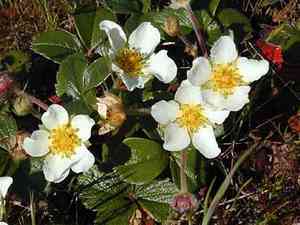
1
Beach strawberry flourishes with more than 6 hours of direct sun each day.
2
It's crucial to slowly introduce Beach strawberry to stronger sunlight to prevent damage.
3
Employing shade covers can aid in shielding Beach strawberry from too much sun, particularly during the hottest summer periods.
Optimal Light Conditions for Beach strawberry
Full Sun Requirements
The Beach strawberry, known for its resilience and modest needs, thrives best in full sunlight. This means the plant should receive more than 6 hours of direct sun daily. Full sun exposure promotes robust growth and increased fruit yield. Gardens and bright patios are excellent spots for planting Beach strawberry. Ensuring they get morning sun can be especially beneficial as it's less intense and less likely to scorch leaves compared to harsh afternoon sun.
Partial Shade Adaptability
While Beach strawberry flourishes in full sun, it can also endure partial shade. This flexibility allows cultivation in areas receiving approximately 3-6 hours of direct sunlight daily. In such environments, growth might be slightly diminished, and fruit production could be less abundant, but the plant will still maintain its health and vigor. Partial shade can be particularly useful in regions with very high temperatures, safeguarding the plant from excessive heat stress.
Ideal Planting Locations for Beach strawberry
Outdoor Settings
When planting Beach strawberry outdoors, select a site with ample sunlight exposure. A location that gets direct sun for at least 6 hours, such as south or west-facing garden beds, is perfect. Ensure the soil drains well to prevent waterlogging, as strawberries prefer slightly acidic conditions and can suffer from root diseases when overwatered. Raised beds or mulching with organic material can also help optimize the growing environment.
Indoor Cultivation Advice
Growing Beach strawberry indoors can be a rewarding experience with the proper setup. Position the plant near a bright window where it can absorb plenty of sunlight. Alternatively, supplement natural light with grow lights for about 12-16 hours daily. Ensure the indoor environment mimics outdoor conditions as closely as possible, with adequate humidity and air circulation to prevent mildew and pests. Rotating the plants periodically can ensure balanced growth and light exposure on all sides.
Adjusting Sunlight Exposure for Beach strawberry
Seasonal Modifications
The amount of sunlight varies with seasons, and Beach strawberry plants may require adjustments accordingly. In spring and fall, when sunlight is milder, positioning plants to receive maximum daylight is crucial. During the intense summer months, consider providing some afternoon shade or gradually acclimating plants to avoid sudden exposure to strong light, which can cause leaf burn. Conversely, in winter, ensure they are placed where they can capture the limited available sunlight, possibly using reflective surfaces to enhance light availability.
Using Shade Cloths and Reflectors
Managing sunlight exposure can be effectively achieved using shade cloths and reflectors, especially during peak sunlight periods in summer. Shade cloths with varying percentages of UV protection can reduce the intensity of sunlight reaching Beach strawberry, preventing overheating and dehydration. Reflectors, on the other hand, can amplify and redirect sunlight to shaded parts of your garden, ensuring more even light distribution. Together, these tools can help maintain optimal growing conditions throughout the year.
Signs of Light Stress in Beach strawberry
Indicators of Excessive Sunlight
Overexposure to sunlight can cause visible stress in Beach strawberry. Symptoms include browning or burning of leaf edges, wilting during the hottest part of the day despite sufficient watering, and reduced fruit production or fruit that appears sunscalded. Leaves may develop white bleached patches indicating sunburn. If these signs appear, consider moving the plants to a spot with less intense light or providing shade during peak hours.
Symptoms of Insufficient Sunlight
Inadequate sunlight manifests through poor growth and low fruit yield. Beach strawberry plants may exhibit elongated stems, smaller leaves, and a pale green color due to chlorosis. Flowering may be sparse, and the overall plant might appear leggy as it stretches towards available light sources. To remedy this issue, gradually provide more sunlight or enhance light availability with reflective surfaces or artificial grow lights.



