How Much Sunlight Do Desert fivespot Need?
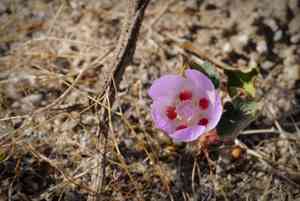
1
Desert fivespot flourishes with ample sunlight, needing more than 6 hours of direct sun each day.
2
A Desert fivespot specimen can endure some shade, yet its flowering will be less abundant.
3
Excessive shade may result in elongated stems and reduced flower production for Desert fivespot.
Grasping Light Needs for Desert Fivespot
Native Environment and Illumination
The Desert fivespot originates from the arid and semi-arid zones of the southwestern U.S., flourishing under strong solar exposure. These harsh environments offer ideal conditions for the plant to thrive – full sun and minimal shade. Understanding the Desert fivespot's natural habitat provides key insights into its light requirements, as mimicking these conditions in gardens aids its growth.
Significance of Solar Exposure
Sunlight is crucial for the Desert fivespot's health and development. Sufficient light enables the plant to photosynthesize efficiently, which is vital for generating the energy needed for growth and blooming. Without enough sunlight, the plant might become elongated, produce fewer blossoms, and be more prone to ailments. Thus, providing the correct amount of light is essential for its prosperity.
Optimal Light Conditions for Desert Fivespot
Full Sun vs. Partial Sun
While Desert fivespot prefers full sun, needing over 6 hours of direct sunlight daily, it can endure partial sun. However, in partial sun, the plant may not flower as profusely, and its growth could be less vigorous. Therefore, for the healthiest development and most abundant blooms, positioning your Desert fivespot in a location with full sun is best.
Daily Light Duration Required
To flourish, Desert fivespot requires at least 6 hours of direct sunlight each day. More is even better, provided the plant is gradually accustomed to intense light to prevent scorching. Observe your garden's sun exposure throughout the day to ensure your Desert fivespot gets ample light. Using a light meter can help assess the amount of light a specific garden spot receives, guaranteeing the plant obtains its necessary illumination.
How to Ensure Proper Light for Desert Fivespot?
Site Selection
Choosing the correct spot for your Desert fivespot is vital for ensuring it receives adequate sunlight. Seek out an area in your garden that gets uninterrupted sunlight for most of the day. Avoid locations shaded by structures, trees, or other obstructions. If cultivating Desert fivespot in a container, you have the flexibility to relocate it to different spots to find optimal light conditions.
Seasonal Light Adjustments
The amount of sunlight your garden receives can fluctuate with the seasons. In summer, days are longer and sunlight is more intense, whereas in winter, days are shorter and sunlight is less potent. Monitor light exposure throughout the year and make necessary changes, such as moving potted plants or pruning overhanging branches, to ensure your Desert fivespot continues to receive optimal light.
Common Light Problems and Solutions for Desert Fivespot
Indicators of Excessive Light
Desert fivespot plants can suffer from too much sunlight, especially if not properly acclimated. Signs include scorched or bleached foliage and reduced flowering. Gradually introduce your plant to full sunlight if it was previously grown in lower light conditions to prevent sunburn.
Indicators of Insufficient Light
If your Desert fivespot isn't getting enough sunlight, it might show signs like leggy growth, fewer blossoms, and pale leaves. The plant may also become more vulnerable to pests and diseases. Ensuring the plant receives the recommended daily amount of sunlight can alleviate these issues.
Simple Remedies for Light Issues
Resolving light problems for your Desert fivespot can be straightforward. For too much sunlight, provide shade during the hottest part of the day, particularly if your plant is young or recently transplanted. For insufficient sunlight, move the plant to a brighter location or trim surrounding vegetation that might be casting shadows. Regularly monitoring and adjusting the plant's light exposure can help maintain its health and beauty.



