How Much Sunlight Do Woodland draba Need?
1
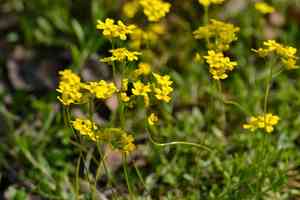
Woodland draba flourishes in locations receiving moderate to ample sunlight.
2
Indicators of ideal light conditions are lush green leaves and vivid blooms.
3
Indoor Woodland draba may benefit from supplemental grow lights if natural illumination is inadequate.
Optimal Light Conditions for Woodland draba
Partial Shade
For gardeners with areas experiencing variable sun exposure, Woodland draba adapts well and can flourish in partially shaded environments. This means it will receive direct sunlight for a portion of the day, typically in the morning or late afternoon. Partial shade is especially advantageous in regions with intense summer heat, helping to shield the plant from potential scorching and dehydration. To keep your Woodland draba healthy in partial shade, observe the light levels in your garden, aiming for approximately 3-6 hours of direct sun combined with filtered light for the remainder of the day.
Full Sun
While Woodland draba tolerates partial shade, it truly thrives when exposed to full sun. Full sun implies the plant receives at least six hours of direct sunlight daily. When cultivating Woodland draba in a full sun location, ensure ample irrigation, particularly during hot and dry periods, as increased sunlight will accelerate moisture loss. Choosing a south-facing spot in your garden often provides the most consistent sunlight throughout the day, fostering vigorous growth and abundant blooms.
How to Determine Proper Sunlight Exposure?
Indicators of Sufficient Sunlight
Recognizing the appropriate amount of sunlight for your Woodland draba is vital for its well-being. With adequate sunlight, the plant will exhibit vibrant green foliage and prolific flowering. Its overall growth will be robust, without appearing stretched or sparse. Furthermore, well-lit Woodland draba will develop strong stems and a healthy root system, indicating that sufficient sunlight contributes to the plantâs overall vitality.
Symptoms of Insufficient Sunlight
If Woodland draba is not receiving enough sunlight, you will observe several clear indicators. The plant may become elongated, with stems reaching towards light sources in an attempt to capture more sun. Leaves might turn pale or yellow, and blooming could decrease or stop entirely. In severe cases, foliage may become sparse, and the plant could weaken, making it more susceptible to diseases and pests. Ensuring the plant gets at least 3-4 hours of direct sunlight can help alleviate these problems.
Symptoms of Excessive Sunlight
While Woodland draba enjoys full sun, too much can be harmful, especially in particularly hot climates. Signs of overexposure to sunlight include leaf burn, where leaves develop brown tips or edges, and wilting despite regular watering. The plantâs foliage may also appear bleached or show sunburn spots. To prevent these issues, consider providing temporary shade during the hottest part of the day or moving the plant to a slightly shadier spot if problems persist.
Adjusting Sunlight for Indoor Cultivation
Utilizing Grow Lights
Cultivating Woodland draba indoors presents unique challenges, primarily due to insufficient natural light. Grow lights offer an excellent solution to replicate the natural sunlight the plant requires. Select full-spectrum grow lights to provide the necessary light wavelengths. Position the grow lights approximately 12-18 inches (30-45 cm) above the plant, and keep them on for at least 12-14 hours daily to mimic outdoor sunlight conditions. This setup ensures your Woodland draba receives the light it needs for photosynthesis and healthy development.
Optimizing Window Placement
Natural light is the best source, so placing your Woodland draba near an ideal window is crucial for indoor growth. A south-facing window typically provides the most light throughout the day. If a south-facing window is unavailable, east or west-facing windows can also offer sufficient light. Ensure the plant is positioned directly in the light path, and rotate it periodically to ensure even light exposure on all sides. If natural light is limited, supplementing with grow lights can prevent light deprivation.
Seasonal Light Variations
Spring and Summer Requirements
During the spring and summer months, Woodland draba enters its most active growth phase. It will naturally benefit from extended daylight hours and stronger sunlight. To maximize this period, ensure your plant receives around 6-8 hours of sunlight daily. Consistent watering is essential due to increased evaporation rates, and mulching around the base can help retain soil moisture. In extremely hot climates, providing some afternoon shade can protect the plant from heat stress and sunburn.
Fall and Winter Adjustments
As daylight hours decrease in fall and winter, Woodland draba requires some modifications to maintain optimal growth. Relocate the plant to the sunniest available spot, typically a south-facing window if indoors. If grown outdoors, pruning nearby foliage that might block light can be advantageous. Reducing watering frequency is also necessary as evaporation rates decline. If natural sunlight is minimal, consider installing grow lights to supplement daylight, ensuring the plant continues to receive adequate light even during darker months.
Expert Advice for Ensuring Optimal Sunlight
Consistent Observation
Consistency is vital for maintaining the ideal sunlight conditions for your Woodland draba. Regularly monitor the light intensity and duration your plant receives. Using light meters can provide an accurate measurement of light levels. Observe your plantâs behavior and foliage condition frequently, noting any changes to ensure it continuously gets the light it needs. Adjust positioning or shading as necessary based on seasonal changes or alterations in light patterns.
Utilizing Sun Logs
Keeping a sun log can be an effective method to track the sunlight exposure your Woodland draba receives. Document the positioning, duration, and intensity of sunlight throughout the day and across different seasons. By recording these observations, you can identify patterns and make informed adjustments to your plantâs location or care routine. A sun log helps preempt any potential issues related to both light deficiency and excess, ensuring your Woodland draba thrives year-round.



