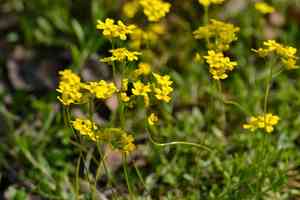
Woodland draba (Draba nemorosa)
Also known as: Shaded Draba, Wood Whitlow-grass
The woodland draba (Draba nemorosa) is an annual spring-blooming wildflower known for its small clusters of yellow flowers. It flourishes in environments ranging from full sun to partial shade, favoring well-drained, sandy, or rocky soils. Commonly, it is found in open fields and along roadsides.
In This Article
Attributes of Woodland draba
Lifespan
Annual, Biennial
Plant Type
Herb
Plant Height
15 cm to 30 cm
Spread
N/A
Leaf Color
Green
Flower Size
4 mm to 6 mm
Flower Color
Yellow
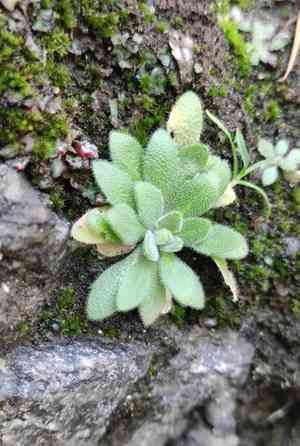
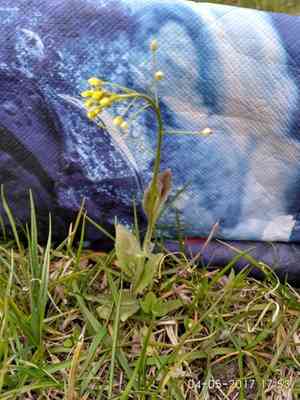
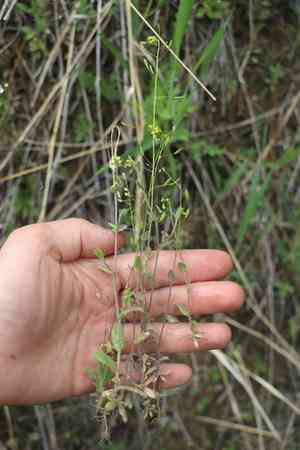
Images of Woodland draba
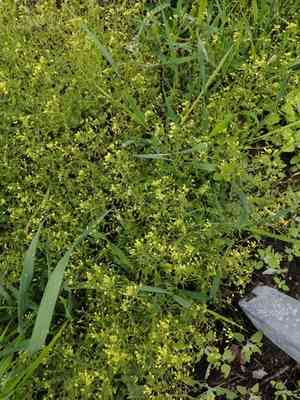
Quickly Identify Woodland draba
1
Draba nemorosa can be identified by its small, yellow, four-petaled flowers and its small, basal rosette of leaves. The leaves are simple, toothed, and usually pubescent (hairy). The plant is generally low-growing and forms dense patches.
Scientific Classification of Woodland draba
Phylum
Vascular plants
Class
Dicotyledons
Order
Brassicales
Family
Cruciferae
Genus
whitlow-grasses
Species
Woodland draba
Planting and Growing of Woodland draba
Care Difficulty
Easy
Watering Schedule
Every 2 days
Sunlight Requirements
Full sun
Sunshine Duration
6-10 hours
Ideal Temperature
50-77℉
Soil Type
Potting Mix, Peat Mix
Soil pH
6.5-7.5
Fertilizer Type
Balanced
Pruning Season
Spring, Summer
Pruning Area
Branches, Leaves
Pruning Frequency
2 times a year
Repotting Season
Spring
Pot Type
Plastic, Ceramic
 How to Water Woodland draba?
Draba nemorosa thrives in well-drained soils, and it's best to water them with about 200 milliliters each time. The key is to moisten the soil thoroughly but ensure excess water can drain away to avoid waterlogging.
What are the symptoms of an underwatered Woodland draba?
›
What should I do if my Woodland draba is not getting enough water?
›
What are the symptoms of an overwatered Woodland draba?
›
How to save an overwatered Woodland draba?
›
 What Are the Sunlight Requirements for Woodland draba?
Full sun to partial sun is ideal, allowing for photosynthesis and robust flowering, while minimizing risks like sunburn or weak growth, supporting overall vitality of Draba nemorosa.
More About Sunlight Requirements Techniques→
What type of lighting does Draba nemorosa prefer?
›
How can you ensure Draba nemorosa gets the ideal light?
›
What are the benefits of perfect lighting for Draba nemorosa?
›
 What Is the Ideal Temperature Range for Woodland draba?
Draba nemorosa thrives best in a temperate climate with temperatures ranging from 50°F to 77°F. This range provides optimal conditions for its growth and reproduction, allowing the plant to perform essential functions such as photosynthesis efficiently.
 What Soil is Best for Woodland draba?
Draba nemorosa thrives in well-draining soil, which helps prevent root rot by allowing excess water to escape. This characteristic is essential for maintaining root health and ensures the plant receives adequate oxygen, promoting robust growth. This plant benefits from soil enriched with organic matter, which provides essential nutrients that promote flowering and foliage development. Organic components such as compost can enhance soil fertility and improve the plant's resilience to pests and diseases. While Draba nemorosa requires moderate moisture, it is tolerant to occasional dry spells. Consistent moisture levels support steady growth, but well-drained conditions prevent waterlogging, which is detrimental to the plant's health.
 How to Fertilize Woodland draba?
For Draba nemorosa, it is recommended to use a diluted liquid fertilizer with half the strength normally recommended for houseplants. Apply about 50% of the prescribed dose for small flowering plants, ensuring not to overwhelm the soil with nutrients.
 How to Prune Woodland draba?
Begin by assessing the overall shape of your Draba nemorosa plant. Using sharp, clean scissors or pruning shears, remove any dead or diseased leaves close to the base. Trim back any excessively tall or leggy growth to preserve the compact form. Always cut just above a leaf node to stimulate new growth. A gentle trim during early spring and again in mid-summer will keep your plant looking vibrant and healthy.
More About Pruning Techniques→
 How to Propagate Woodland draba plant?
1
Start by filling seed trays with your chosen soil mix to just below the rim. Gently pat the soil down to remove air pockets, ensuring an even surface for seed placement.
2
Scatter Draba nemorosa seeds over the surface of the soil. Since they are small, they may not need to be buried deeply; a light dusting of soil over the top should suffice to cover them.
3
Lightly mist the surface to moisten the soil without dislodging the seeds. Keep the trays in a warm spot with indirect light and maintain moisture by covering trays with a clear lid or plastic wrap until germination begins.
 How to Repot Woodland draba plant?
1
Draba nemorosa usually indicates it's time for repotting when you see roots sprawling out from its drainage holes or when the plant seems to outgrow its current pot. If growth appears stunted or the plant becomes too root-bound, it's a cue for a change.
2
Opt for a slightly larger pot with adequate drainage holes. This prevents waterlogging and rot, ensuring your Draba nemorosa's roots have enough room to breathe and expand, promoting healthier growth.
3
Select a well-draining sandy mix, allowing excess water to escape rapidly. This mimics its natural rocky habitat, helping to prevent root rot and ensuring the plant's need for aeration and drainage is well met.



