How Much Sunlight Do American beakgrain Need?
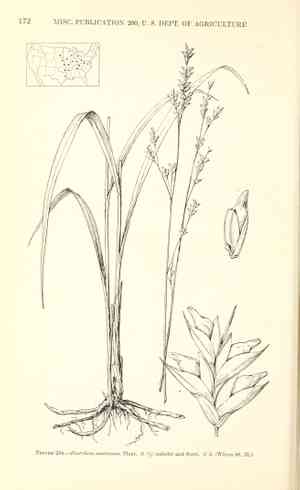
1
American beakgrain flourishes with approximately 3-6 hours of indirect sun daily.
2
It is capable of enduring complete shade, offering flexibility for diverse garden locations.
3
Observe the plant's light conditions throughout the year, as requirements may shift with varying daylight periods.
Optimal Illumination for American Beakgrain
Partial Shade Preference
American beakgrain thrives in partial shade, making it ideal for spots with filtered sunlight. This means placing it beneath trees, alongside taller shrubs, or in areas receiving indirect light for approximately 3-6 hours daily. Such lighting ensures sufficient photosynthesis without leaf burn.
Direct Sun Resilience
While adaptable, American beakgrain can endure some direct sunlight. However, prolonged exposure to intense midday sun can cause stress, leading to wilting or leaf scorch. If a sunnier location is necessary, aim for morning sun when rays are less harsh and more beneficial.
Assessing Proper Light Levels for Your American Beakgrain
Indicators of Insufficient Light
When American beakgrain lacks adequate light, several signs will appear. Leaf colors may become dull or pale. The plant might also stretch, becoming leggy as it seeks light. Growth can slow, and overall plant health may decline, increasing disease susceptibility.
Symptoms of Excessive Sunlight
Conversely, too much sunlight can harm American beakgrain. Signs of overexposure include scorched leaves, which may yellow or brown at the edges. The plant might also wilt, even with moist soil. These symptoms indicate stress, requiring immediate light condition adjustments.
Modifying Light Exposure for American Beakgrain
Utilizing Natural Shading
To modify light exposure for your American beakgrain, consider using natural garden shade. Positioning the plant under tree canopies or near large bushes helps filter sunlight, providing ideal partial shade. Pergolas, shade cloths, or strategic garden structures can also effectively manage natural light levels.
Implementing Artificial Lighting Solutions
For indoor settings or areas lacking natural light, artificial solutions are excellent alternatives. Full-spectrum LED grow lights can replicate the natural sunlight needed for healthy growth. Set these lights on a timer to ensure your American beakgrain receives adequate illumination, roughly 3-6 hours daily, mirroring its outdoor needs.
Seasonal Light Changes and American Beakgrain Care
Spring and Summer Adjustments
During spring and summer, American beakgrain will experience longer daylight hours and potentially more intense sun. Adjusting its placement to ensure manageable light levels is crucial. Consider moving the plant to a shadier spot as the sun intensifies, especially at midday. Regularly check for light stress and adjust as needed.
Fall and Winter Considerations
In fall and winter, daylight hours shorten, and sunlight is less intense. Your American beakgrain might require a brighter position during these months. Alternatively, supplementing with artificial lights can help maintain its health through darker seasons. Close monitoring of the plant's condition ensures its vibrancy year-round.



