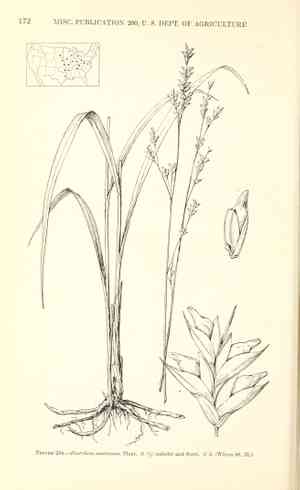
American beakgrain (Diarrhena americana)
Also known as: American beakgrass
Pennsylvania sedge (Carex pensylvanica) is a perennial sedge native to North America. It is well-suited for traditional gardens, wildlife gardens, and natural landscaping. This low-maintenance plant thrives in partial to full shade, making it an excellent choice for shaded areas.
In This Article
Attributes of American beakgrain
Lifespan
Perennial
Plant Type
Grass
Plant Height
61 cm to 91 cm
Spread
60 cm to 90 cm
Leaf Color
Green during the growing season, turns brown in the fall
Flower Size
10 cm to 30 cm
Flower Color
Yellow Green Brown
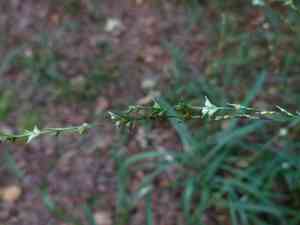
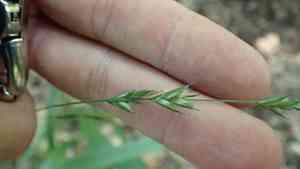
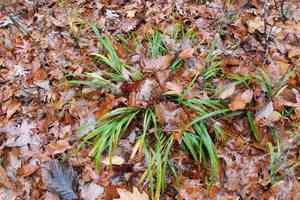
Images of American beakgrain
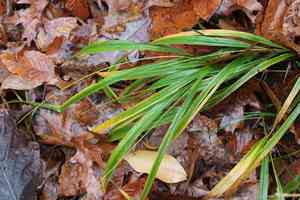
Quickly Identify American beakgrain
1
Look for clumping grass with leaf blades that are wide and flat. The spikelets are distinctive with beak-like tips, and it is common to find it in moist, shady areas.
Scientific Classification of American beakgrain
Phylum
Vascular plants
Class
Monocotyledons
Order
Poales
Family
Grass
Genus
Beakgrains
Species
American beakgrain
Planting and Growing of American beakgrain
Care Difficulty
Easy
Watering Schedule
Every 2 days
Sunlight Requirements
Partial sun
Sunshine Duration
6-10 hours
Ideal Temperature
60-75℉
Soil Type
Potting Mix, Peat Mix
Soil pH
6.5-7.5
Fertilizer Type
Balanced
Pruning Season
Spring, Summer
Pruning Area
Branches, Leaves
Pruning Frequency
2 times a year
Repotting Season
Spring
Pot Type
Plastic, Ceramic
 How to Water American beakgrain?
Diarrhena americana requires about 500 milliliters of water per session. The watering should be deep enough to moisten the soil to the root level without causing waterlogging. This way, the roots have sufficient water for uptake, but not so much that they drown or rot.
What are the symptoms of an underwatered American beakgrain?
›
What should I do if my American beakgrain is not getting enough water?
›
What are the symptoms of an overwatered American beakgrain?
›
How to save an overwatered American beakgrain?
›
 What Are the Sunlight Requirements for American beakgrain?
Diarrhena americana prefers partial sun, which involves a balance of light and shade. Optimal light encourages robust growth and maintains the vibrant green of its leaves, contributing to a more resilient plant.
More About Sunlight Requirements Techniques→
How much sunlight does Diarrhena americana need?
›
What are the ideal conditions for Diarrhena americana?
›
How can I maintain optimal lighting for Diarrhena americana?
›
 What Is the Ideal Temperature Range for American beakgrain?
Diarrhena americana thrives best in temperatures ranging between 60°F to 75°F. This range mimics the plant's native habitat, providing the warmth needed for optimal growth while avoiding excessive heat that could stress the plant.
 What Soil is Best for American beakgrain?
Diarrhena americana thrives in well-drained soil to prevent waterlogging, which can lead to root rot. Good drainage ensures that the plant's roots receive adequate oxygen, promoting healthy growth and robust root development. This plant favors moderately fertile soil, which provides essential nutrients needed for growth without overwhelming it. Balanced fertility supports sustained growth, vibrant foliage, and flowering without the risk of excessive nutrient buildup that might stress the plant. While drainage is crucial, a soil that retains some moisture is beneficial for Diarrhena americana. This ensures consistent hydration, which is necessary for its lush appearance and prevents stress during dry periods. The retained moisture helps maintain an even supply of water to the roots.
 How to Fertilize American beakgrain?
For Diarrhena americana, apply a balanced fertilizer with an N-P-K ratio of 10-10-10. During the growing season, aim for approximately one tablespoon per gallon of water for liquid fertilizers. For granular fertilizers, use about 2-3 tablespoons per square foot of soil surface. This ensures the plant receives adequate nutrients without overwhelming its root system.
 How to Prune American beakgrain?
Before you start pruning, carefully examine Diarrhena americana for any dead, diseased, or damaged leaves and stems. Removing these parts first will improve air circulation and light penetration, crucial for the plant's health. Start by removing any dead or brown foliage at the base of the plant. Follow the natural shape of the plant for aesthetic balance. Ensure you cut at a 45-degree angle close to a bud or stem to promote regrowth.
More About Pruning Techniques→
 How to Propagate American beakgrain plant?
1
For seed propagation, collect seeds in late summer when they are mature. Clean and dry them before starting the germination process. A brief cold stratification might improve germination rates.
2
Sow seeds in a seed tray filled with a well-draining seed starting mix. Cover them lightly with soil and water gently. Keep in a warm, bright location to promote germination.
3
For division propagation, wait until early spring. Carefully lift the entire plant from the ground and divide the root ball into smaller sections, ensuring each has roots and shoots.
 How to Repot American beakgrain plant?
1
Diarrhena americana usually signals the need for repotting when its roots begin to outgrow the pot, often visible by roots poking through drainage holes or when the plant's growth has staled. Ideally, repot during spring or autumn to ensure optimal root establishment without the stress of extreme temperatures.
2
Select a pot that is about two inches larger in diameter than the current one to accommodate growth. This ensures adequate space for root expansion without overwhelming the plant, which can prevent rot and stress. Choose pots with good drainage to avoid waterlogging.
3
A well-draining, loamy soil rich in organic matter is ideal. This type of soil retains enough moisture for root health while draining excess water rapidly, preventing root rot. A balanced soil mix promotes healthy root growth and provides essential nutrients.



