How Much Sunlight Do Silver false spleenwort Need?
1
Silver false spleenwort flourishes optimally in filtered light, replicating its native forest environment.
2
Direct sun exposure can lead to scorching of Silver false spleenwort's foliage.
3
In colder months, Silver false spleenwort needs reduced illumination but should not be placed in total obscurity.
Ideal Illumination Conditions for Silver false spleenwort
Understanding Native Environment
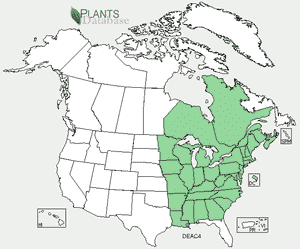
Silver false spleenwort originates from lush, damp forests where sunlight filters through the tree canopy. This fern species has evolved to flourish in dim light, making it suitable for areas with diffused sunlight. Replicating its natural surroundings can significantly boost its development and vitality.
Preferred Light Intensity
For peak growth, Silver false spleenwort favors low to moderate light levels. It can endure full shade but thrives best in bright, indirect illumination. A light intensity ranging from 10,000 to 20,000 lux (930 to 1,860 foot-candles) is optimal for this plant.
Direct vs. Diffused Sunlight
Advantages of Indirect Sunlight
Indirect sunlight is crucial for Silver false spleenwort. This type of light prevents leaf scorching and maintains the plant's moisture balance. Positioning the plant near a north or east-facing window, where it receives filtered light, will emulate the dappled sunlight it naturally prefers.
Hazards of Direct Sunlight Exposure
Direct sunlight can be harmful to Silver false spleenwort. Extended exposure causes leaf burn, wilting, and can lead to the plant's eventual demise. It is best to avoid placing this fern in direct sunlight, especially in the afternoon when the sun's intensity is highest.
Seasonal Light Fluctuations
Sunlight Requirements in Summer
During summer, intense sunlight can be too harsh for Silver false spleenwort. Ensure the plant is well-shaded, possibly relocating it indoors or beneath a dense tree if it's outdoors. Heat can increase water evaporation, so maintaining a moist, shaded environment with indirect light is vital.
Sunlight Needs in Winter
In winter, sunlight is less intense, and days are shorter. Silver false spleenwort will require less light but must still avoid complete darkness. Placing the plant near a brighter window but not directly in it can help simulate natural light conditions. If necessary, supplementing with a grow light for 6 to 8 hours can assist in meeting its light needs during shorter days.
Indoor vs. Outdoor Cultivation
Indoor Lighting Arrangement
Cultivating Silver false spleenwort indoors necessitates careful placement. Ideal spots are near windows that receive filtered sunlight, such as sheer-curtained south or west-facing windows. Additionally, rotating the plant periodically ensures even light distribution and prevents one side from becoming underdeveloped.
Outdoor Placement Recommendations
In an outdoor setting, position Silver false spleenwort beneath larger plants or trees for natural shading. Ensure it's in an area that receives indirect sunlight to shield it from the harsh afternoon sun and provide ample moisture to mimic its natural woodland habitat.
Indicators of Light Issues
Detecting Insufficient Light
A common sign of inadequate light in Silver false spleenwort is stunted growth and yellowing foliage. The plant should appear vibrant green when receiving the correct amount of light. If you observe these symptoms, consider moving your fern to a brighter location with indirect light.
Identifying Sunburn and Overexposure
Signs of sunburn in Silver false spleenwort include brown, crispy leaf edges and an overall wilting appearance. If your plant exhibits these symptoms, it is likely exposed to excessive direct sunlight. Moving it to a shadier spot immediately and providing ample water can aid its recovery.



