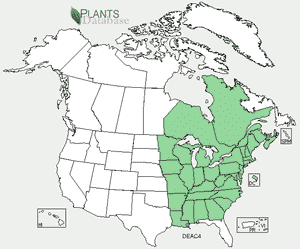
Silver false spleenwort (Deparia acrostichoides)
Also known as: Silvery glade fern
Deparia acrostichoides, known as silvery glade fern, is indigenous to the eastern regions of North America, including the United States and Canada, as well as parts of Asia. It is named for the distinctive silver hue on the underside of its leaves as spore structures mature.
In This Article
Attributes of Silver false spleenwort
Lifespan
Perennial
Plant Type
Herb
Plant Height
61 cm to 91 cm
Spread
45 cm to 1 m
Leaf Color
Green White
Flower Size
N/A (ferns do not produce flowers)
Flower Color
N/A (ferns do not produce flowers)
Images of Silver false spleenwort
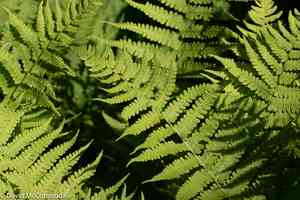
Quickly Identify Silver false spleenwort
1
Straw-colored fronds in autumn
2
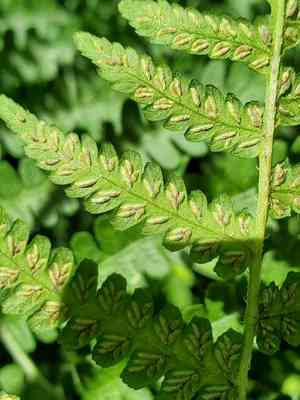
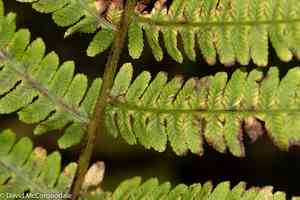
Distinctive herringbone pattern of spores
3
Elliptic-lanceolate fronds with silvery undersides
4
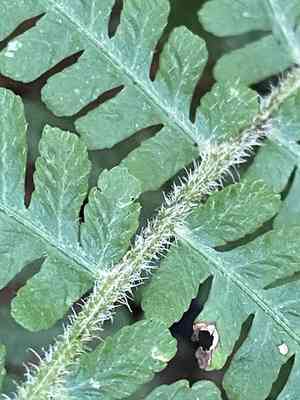
Green stem with narrow scales and fine hairs
5
Slender stipe and rachis measuring 0.08 to 0.16 inches (2 to 4 mm)
Scientific Classification of Silver false spleenwort
Phylum
Vascular plants
Class
Ferns
Order
Polypodiales
Family
Ladyferns and allies
Genus
False spleenworts
Species
Silver false spleenwort
Planting and Growing of Silver false spleenwort
Care Difficulty
Easy
Watering Schedule
Every 2 days
Sunlight Requirements
Full shade
Sunshine Duration
4-8 hours
Ideal Temperature
60-75℉
Soil Type
Potting Mix, Peat Mix
Soil pH
5.5-7
Fertilizer Type
Balanced
Pruning Season
Spring, Summer
Pruning Area
Branches, Leaves
Pruning Frequency
2 times a year
Repotting Season
Spring
Pot Type
Plastic, Ceramic
 How to Water Silver false spleenwort?
For Deparia acrostichoides, it's crucial to ensure the soil remains consistently moist, yet not waterlogged. Aim for 250 ml per watering, enough to saturate the soil but not so much that excess water sits on the surface. Water should seep gently through the soil, allowing the roots to absorb moisture without becoming overly damp.
What are the symptoms of an underwatered Silver false spleenwort?
›
What should I do if my Silver false spleenwort is not getting enough water?
›
What are the symptoms of an overwatered Silver false spleenwort?
›
How to save an overwatered Silver false spleenwort?
›
 What Are the Sunlight Requirements for Silver false spleenwort?
Partial sun and full shade are ideal, offering a balance that's reminiscent of its natural woodland habitat. Adequate light promotes lush, vibrant foliage and prevents leaf deterioration.
More About Sunlight Requirements Techniques→
What is the best type of sunlight for Deparia acrostichoides?
›
How can I ensure it gets the ideal amount of light?
›
What are the benefits of providing ideal lighting?
›
 What Is the Ideal Temperature Range for Silver false spleenwort?
The ideal temperature range for cultivating Deparia acrostichoides is between 60 and 75 °F. This range ensures optimal growth and health for the plant. Temperatures within this range provide a balanced environment, allowing the plant to efficiently carry out its metabolic processes, including photosynthesis and nutrient absorption.
 What Soil is Best for Silver false spleenwort?
Deparia acrostichoides thrives in moist, well-drained soils, which help to maintain adequate moisture while preventing root rot. The presence of moisture is crucial for this plant's lush growth, as it mimics the natural forest floor conditions it originates from. A soil rich in organic matter is essential for Deparia acrostichoides because it provides the necessary nutrients and improves soil structure. Organic matter enhances soil fertility, thereby encouraging healthy foliage and robust growth. Maintaining consistent soil moisture is crucial for the health of Deparia acrostichoides. This requirement mirrors its natural environment, ensuring that the plant remains vigorous and minimizes stress caused by drying out.
 How to Fertilize Silver false spleenwort?
Deparia acrostichoides benefits from a balanced 10-10-10 fertilizer applied sparingly. Aim for about half the recommended strength as this fern is sensitive to over-fertilization. When using liquid fertilizers, dilute them to half strength and apply about 1 tablespoon per gallon of water.
 How to Prune Silver false spleenwort?
Start by identifying damaged, dead, or diseased fronds that need removal. Pruning helps maintain plant health and promotes new, healthy growth. Trim back to the base of these fronds, ensuring clean cuts to avoid pest infestation. While Deparia acrostichoides doesn’t require much shaping, light pruning to maintain its form can enhance the garden aesthetic. This entails snipping away any unruly or excessively long fronds to maintain a neat and natural appearance.
More About Pruning Techniques→
 How to Propagate Silver false spleenwort plant?
1
Water the plant thoroughly a day before propagation to make soil softer and easier to dig. This reduces stress on the plant and helps in easier extraction of the rhizomes.
2
Carefully dig around the base of the plant, taking care not to damage the roots. Gently lift the plant from the ground; try to maintain as much of the root ball as possible.
3
Use a sharp knife to cut the rhizomes into sections, each with at least one bud. This ensures that each division has the potential to grow into a new plant.
 How to Repot Silver false spleenwort plant?
1
Deparia acrostichoides signals that it's time for repotting when its roots start appearing at the drainage holes or wrap around the pot. Another sign is if the growth slows down despite optimal conditions. The best time to undertake this task is in early spring or summer when the plant is in active growth, minimizing stress and allowing for quicker recovery.
2
Select a pot that is 2-3 inches larger in diameter than the current one, with adequate drainage holes to prevent waterlogging. A slightly bigger pot offers ample room for root growth and absorbing essential nutrients and water, promoting robust development while minimizing the risk of root-bound conditions.
3
Opt for a loamy, well-draining soil mix that retains some moisture yet drains excess water effectively. This soil choice mirrors the plant's natural habitat, preventing root rot and allowing the roots to breathe, which is pivotal for healthy growth. A suitable mix might include peat, perlite, and compost for balanced nutrients.



