How Much Sunlight Do Lesser rice-field flatsedge Need?
1
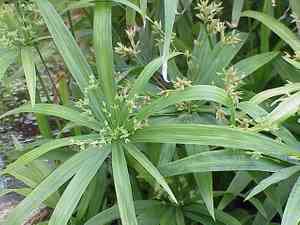
Lesser rice-field flatsedge flourishes optimally in bright sun, requiring more than 6 hours of direct solar exposure each day.
2
If natural light is inadequate, supplemental grow lights can be employed to provide additional illumination for Lesser rice-field flatsedge.
3
Evidence of excessive sun exposure includes burned foliage, whereas inadequate light can lead to inhibited development.
Grasping Lesser rice-field flatsedge's Light Requirements
The Importance of Light for Lesser rice-field flatsedge Development
Light is crucial for the growth and vitality of Lesser rice-field flatsedge. As a key element in photosynthesis, light enables the plant to generate the energy necessary for its development, flourishing, and other vital biological processes. Sufficient light promotes strong growth, vibrant foliage, and a healthier plant overall.
Optimal Light Conditions
Lesser rice-field flatsedge thrives in full sun, where it can absorb most of its light directly from the sun. Ideally, this plant should be exposed to sunlight for over 6 hours daily. However, it can endure partial shade, but peak growth is achieved with maximum sun exposure.
How Much Light Does Lesser rice-field flatsedge Require?
Full Sun vs. Partial Shade
Lesser rice-field flatsedge performs best in full sun, meaning it flourishes in settings that offer more than 6 hours of direct sunlight each day. While it can withstand partial shade, which involves receiving direct sunlight for only 2-6 hours daily or filtered light through tree canopies throughout the day, it might not reach its full growth potential under these circumstances.
Daily Light Exposure Recommendations
To ensure the best growth and health for Lesser rice-field flatsedge, aim for at least 6 to 8 hours of direct sunlight daily. This exposure will maximize photosynthesis and energy production, leading to robust growth and a lush appearance. When natural light conditions are inadequate, consider employing artificial lighting to ensure the plant receives the necessary light.
Advice for Ensuring Optimal Light for Lesser rice-field flatsedge
Placing Your Lesser rice-field flatsedge
To ensure your Lesser rice-field flatsedge gets optimal light, position it in a spot that receives direct sunlight for most of the day. If growing indoors, placing it near south-facing windows can help maximize light exposure. Outdoors, ensure it's planted in an open area not shaded by other plants or structures.
Utilizing Artificial Lighting When Necessary
When natural sunlight is insufficient, especially during colder months or in shaded indoor environments, supplementing with artificial grow lights can maintain your Lesser rice-field flatsedge's health. Use full-spectrum LED grow lights and position them to provide adequate light. Aim for a consistent 12 to 16 hours of combined natural and artificial light daily to mimic ideal sun exposure.
Common Light-related Problems and Solutions for Lesser rice-field flatsedge
Indicators of Excessive Light
While Lesser rice-field flatsedge prefers full sun, too much direct and intense light, particularly in extremely hot conditions, can cause leaf burn. Signs include browning or yellowing leaf tips and edges, and potential wilting. To fix this, provide shade during peak sunlight hours, especially in mid-afternoon when the sun is strongest.
Addressing Insufficient Light
Inadequate light can result in stunted growth, pale leaves, and an overall unhealthy look in Lesser rice-field flatsedge. If you observe these signs, try moving the plant to a brighter location or increasing light exposure by pruning back overhanging branches that might be casting shadows. As mentioned, using artificial lighting can also boost light levels to meet the plant's requirements.



