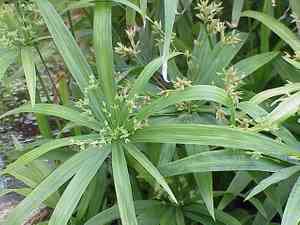
Lesser rice-field flatsedge (Cyperus microiria)
Also known as: Field Flat Sedge, Small-head Umbrella Sedge
The plant typically grows to around 30 cm in height, with larger specimens reaching up to 50 cm.
In This Article
Attributes of Lesser rice-field flatsedge
Lifespan
Annual
Plant Type
Grass
Plant Height
20 cm to 50 cm
Spread
N/A
Leaf Color
Green
Flower Size
N/A
Flower Color
Brownish or Greenish
Images of Lesser rice-field flatsedge
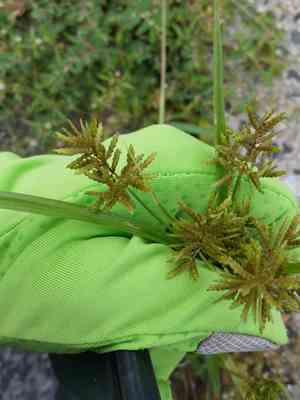
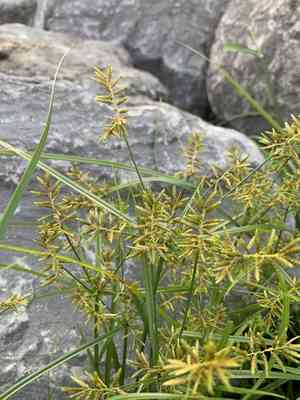
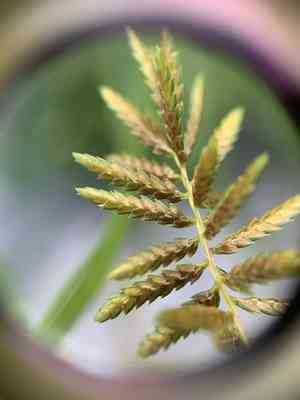
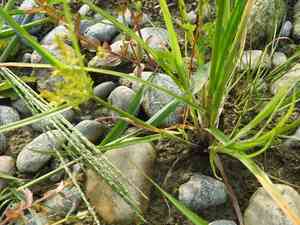
Quickly Identify Lesser rice-field flatsedge
1
Identification of Cyperus microiria involves looking for its characteristic umbrella-like cluster of spikelets at the top of the stem and its narrow, grass-like leaves.
Scientific Classification of Lesser rice-field flatsedge
Phylum
Vascular plants
Class
Monocotyledons
Order
Poales
Family
Sedge
Genus
Nutgrasses
Species
Lesser rice-field flatsedge
Planting and Growing of Lesser rice-field flatsedge
Care Difficulty
Easy
Watering Schedule
Every 4 days
Sunlight Requirements
Partial sun
Sunshine Duration
4-8 hours
Ideal Temperature
60-77℉
Soil Type
Potting Mix, Peat Mix
Soil pH
6.5-7.5
Fertilizer Type
Balanced
Pruning Season
Spring, Summer
Pruning Area
Branches, Leaves
Pruning Frequency
2 times a year
Repotting Season
Spring
Pot Type
Plastic, Ceramic
 How to Water Lesser rice-field flatsedge?
For Cyperus microiria, ensure the soil is consistently moist. When watering, aim for about 200 milliliters, as this is generally sufficient to moisten the soil without causing waterlogging. The goal is to keep the soil damp, resembling the plant's natural marshy habitat.
What are the symptoms of an underwatered Lesser rice-field flatsedge?
›
What should I do if my Lesser rice-field flatsedge is not getting enough water?
›
What are the symptoms of an overwatered Lesser rice-field flatsedge?
›
How to save an overwatered Lesser rice-field flatsedge?
›
 What Are the Sunlight Requirements for Lesser rice-field flatsedge?
Cyperus microiria prefers partial sun to full shade, benefiting from indirect light. Ideal lighting ensures optimal photosynthesis, supporting lush growth and maintaining vibrant leaf color.
More About Sunlight Requirements Techniques→
What type of sunlight is ideal for Cyperus microiria?
›
How can optimal lighting be achieved indoors?
›
What benefits does ideal lighting bring to Cyperus microiria?
›
 What Is the Ideal Temperature Range for Lesser rice-field flatsedge?
Cyperus microiria thrives best when maintained in temperatures ranging from 60°F to 77°F. In this range, the plant can efficiently carry out photosynthesis and metabolic activities, leading to robust growth and healthy development. Regular monitoring of the temperature within this range will ensure the plant remains stress-free.
 What Soil is Best for Lesser rice-field flatsedge?
Cyperus microiria thrives in well-drained soils that prevent waterlogging. Proper drainage is essential to avoid root rot, ensuring the plant maintains vigorous growth and lush foliage. While excellent drainage is crucial, the soil should also retain some moisture. This balance keeps the plant hydrated and supports its growth in warm climates or during dry spells. A soil rich in organic matter supplies the necessary nutrients for Cyperus microiria, promoting healthy growth and vibrant foliage, ensuring the plant achieves its full aesthetic and ecological potential.
 How to Fertilize Lesser rice-field flatsedge?
For Cyperus microiria, it's important not to over-fertilize, as this can lead to lush, weak growth. Use a diluted liquid fertilizer at half the recommended strength to avoid overwhelming the plant. Slow-release granules should be used sparingly, approximately one teaspoon spread evenly around the base of the plant. Remember, less is often more when it comes to fertilizing this plant.
 How to Prune Lesser rice-field flatsedge?
To prune Cyperus microiria, first, identify the taller or discolored stems that you wish to remove. Use a pair of sharp pruning shears to cut these stems back to the base, ensuring a clean cut to prevent infection. For a bushier growth, trim the top parts of the healthy stems as well. This encourages new shoots to develop from the base, promoting a fuller appearance.
More About Pruning Techniques→
 How to Propagate Lesser rice-field flatsedge plant?
1
Prepare a well-draining soil mix by combining potting soil with sand or perlite. This mix ensures proper air circulation and moisture retention, which are vital for the healthy growth of seedlings and divisions.
2
Sow the seeds in prepared trays, lightly covering them with soil. Ensure the trays are kept in a warm location receiving indirect sunlight. Moisture levels should be regularly checked to keep the soil consistently damp but not waterlogged.
3
Identify healthy offshoots on a mature plant and use a sharp spade or knife to separate them. Each division should have a strong root system. Replant the divisions promptly into prepared pots or directly into the desired planting location.
 How to Repot Lesser rice-field flatsedge plant?
1
Cyperus microiria should be repotted when its roots start to outgrow the current pot, noticeable by roots visibly emerging from the drainage holes. Repotting during the active growth periods in spring or autumn ensures minimal stress and faster recovery for the plant, promoting better health and growth.
2
Select a pot that is one size larger than the current one to give the roots space to expand. Ensure it has adequate drainage holes to prevent waterlogging, which can lead to root rot. A good pot should also be lightweight for easy handling and made of breathable materials like terracotta.
3
Use a well-draining potting mix enriched with organic matter to retain some moisture yet prevent sogginess. This type of soil provides excellent aeration, thus reducing the risk of root diseases and ensuring healthy root development, which is vital for nutrient uptake and plant stability.
Learn More About Lesser rice-field flatsedge Diseases
Anthracnose
Bacterial Leaf Spot
Bacterial Soft Rot
Damping-off
Downy Mildew
Drought Stress
Fusarium Wilt
Gray Mold
Leaf Spot
Mosaic
Nutrient Deficiency
Nutrient Toxicity
Powdery Mildew
Root Rot
Root-knot Nematode
Rusts
Sooty Mold
Spider Mites
Temperature Stress
Thrips Damage
White Mold
Chemical Injury



