How Much Sunlight Do Marsh-elder Need?
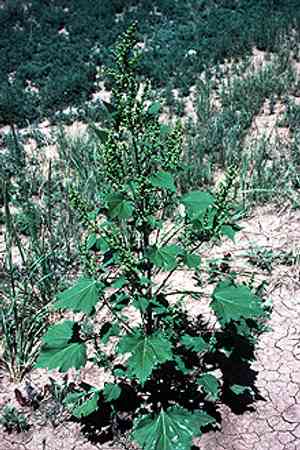
1
Marsh-elder flourishes optimally in bright, direct sunlight, needing more than six hours each day.
2
While the plant can endure some shade, its best development occurs with the most sun exposure possible.
3
Observing sun exposure patterns assists in guaranteeing your Marsh-elder receives adequate light for robust development.
Grasping Marsh-elder Light Requirements
Full Light vs. Partial Shade
Regarding the light needs for Marsh-elder, this plant typically favors full sun. This means it flourishes best with at least six hours of direct sunlight daily. Such exposure promotes robust development and ensures efficient photosynthesis, vital for its overall well-being. However, Marsh-elder is quite adaptable and can endure partial shade if needed. In a partially shaded setting, the plant might not grow as vigorously as in full sun, but it will still survive and thrive to some extent. So, if full sun isn't entirely possible in your garden, a spot with a few hours of direct light can still work.
Optimal Planting Spots
Selecting the correct location for your Marsh-elder is essential to guarantee it receives adequate sunlight. Ideally, seek an area in your garden that gets continuous, unobstructed sunlight. Open spaces like the garden's center, sunny fences, or borders free from large, shading trees are excellent choices. Avoid spots shaded by structures or dense tree canopies, as these could limit the direct sunlight the plant gets, affecting its growth and vigor.
How to Determine Proper Sunlight Exposure for Marsh-elder
Morning Sun vs. Afternoon Sun
While Marsh-elder benefits from full sun, the quality and timing of light it receives also influence its health. Morning sun, typically gentler, helps the plant gradually adjust to higher light levels as the day warms. Conversely, afternoon sun is often more intense and can be harsh, especially in hotter climates. Ideally, a mix of both morning and afternoon sun throughout the day maximizes benefits, providing sustained light without overwhelming the plant with excessive heat during peak afternoon hours.
Impacts of Insufficient Sunlight
Insufficient sunlight can negatively affect your Marsh-elder in several ways. When deprived of enough light, the plant may become elongated and weak, stretching towards potential light sources. This can lead to sparse foliage and an unappealing look. Furthermore, poor light exposure can hinder photosynthesis, reducing the plant's energy production, which in turn stunts growth and diminishes overall plant health. Therefore, ensuring your Marsh-elder gets appropriate sunlight is crucial for maintaining its strength and vitality.
Advice for Managing Marsh-elder Sunlight
Utilizing Shade Cloths
During particularly hot seasons or in areas with intense sunlight, using shade cloths can be beneficial for managing Marsh-elder's sun exposure. These cloths filter sunlight, providing a balance that protects the plant from scorching while still allowing sufficient light penetration. Positioning the shade cloth over the plant during the hottest parts of the day can help prevent leaf burn and other sun-related damage, ensuring your plant stays healthy year-round.
Seasonal Light Adjustments
Seasonal changes significantly impact the amount of sunlight your garden receives. In summer, with the sun at its highest, your Marsh-elder might get enough sunlight in a less exposed spot. However, in winter, when the sun's path is lower, moving the plant to a more light-accessible area might be necessary. Being aware of these seasonal light variations helps you make timely adjustments to your Marsh-elder's placement, ensuring consistent and adequate light exposure throughout the year.



