How to Prune Marsh-elder?
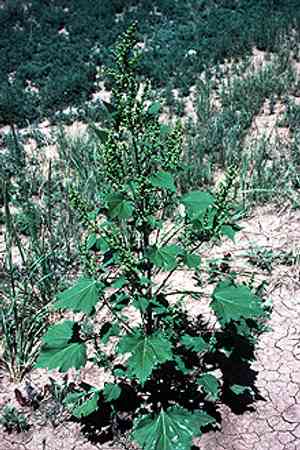
Marsh-elder, a resilient perennial weed, flourishes in damp environments. Strategic trimming limits its proliferation and fosters plant well-being. In early spring, trim to regulate its dimensions and eliminate any harm sustained over winter. During summer and autumn, concentrate on deadheading and reducing crowded foliage to improve air movement. Advantages of pruning encompass decreased seed dispersal and enhanced visual appeal. Perform pruning during periods of active development, steering clear of excessively wet conditions to avert the dissemination of pathogens.
What Are the Benefits of Pruning Marsh-elder?
What Are the Benefits of Pruning Marsh-elder?
Trimming marsh-elder promotes vigorous development and helps maintain its form. Strategic cutting of this species can encourage a more robust and visually appealing shape, crucial for garden upkeep.
What Is the Best Time for Pruning Marsh-elder?
What Is the Best Time for Pruning Marsh-elder?
The optimal periods for pruning marsh-elder are during Spring, specifically after the risk of frost has passed, and towards the close of Summer or the start of Fall. Spring pruning revitalizes marsh-elder by eliminating winter-damaged foliage and stimulates healthy new growth. This is a critical time as it prepares the plant for its active season. Late Summer or early Fall pruning is also advantageous because it coincides with the deceleration of marsh-elder's growth cycle and ensures the plant retains good shape and size without new growth being vulnerable to early frosts. Pruning during these seasons avoids the plant's peak growth and reproductive phases, ensuring energy reserves are not depleted and stress on marsh-elder is minimized.
What Tools Do I Need to Prune Marsh-elder?
Hand Pruners
Ideal for trimming smaller stems and branches of marsh-elder, hand pruners deliver precise cuts without harming adjacent plant tissue.
Lopping Shears
For branches too thick for hand pruners, lopping shears provide extended handles for leverage, simplifying the pruning of thicker marsh-elder branches.
Pruning Saws
When dealing with exceptionally thick marsh-elder branches that lopping shears cannot manage, a pruning saw is essential for making accurate cuts without tearing the bark.
Hedge Shears
In situations where shaping marsh-elder is desired or when multiple small stems need trimming simultaneously, hedge shears are efficient and create a uniform appearance.
Gloves
To safeguard hands from potential irritation when handling marsh-elder, gardening gloves are indispensable, ensuring a safe pruning experience.
How to Prune Marsh-elder
Disinfect tools
Before pruning marsh-elder, sanitize pruning shear blades with a bleach-to-water solution (1:9 ratio) to prevent disease transmission.
Select leaves
Identify all shriveled or dead leaves on marsh-elder, being careful not to confuse them with healthy foliage.
Cut leaves
Using the disinfected shears, make clean cuts to remove withered leaves at their base, taking care not to damage nearby stems or foliage.
Dispose
Properly discard the removed leaves, ideally in a compost bin if they are not diseased, to prevent any potential pests or diseases from affecting marsh-elder.
Clean up
Clear the area around marsh-elder of all debris to maintain a tidy environment that deters pests and encourages healthy growth.
Common Pruning Mistakes with Marsh-elder
Over-pruning
Removing excessive foliage from marsh-elder at once can stress the plant, potentially leading to reduced vigor and increased susceptibility to pests or diseases.
Improper cuts
Making cuts too close to the main stem or leaving large stubs can impede the healing process and invite infection.
Using dull tools
Pruning with blunt or dirty implements can cause jagged cuts, damage marsh-elder's tissues, and introduce pathogens.
Pruning for shape only
Focusing solely on shaping marsh-elder without considering its health or natural growth pattern can result in an unbalanced and weakened specimen.
Common Pruning Tips for Marsh-elder
Sharp tools
Always use clean, sharp pruning shears to ensure precise cuts that heal quickly, minimizing stress on marsh-elder.
Selective thinning
Remove only the necessary stems and foliage to enhance air circulation and light penetration, which can help reduce the likelihood of fungal diseases.
Prune damaged limbs
Regularly trim away dead, damaged, or diseased branches to promote marsh-elder's overall health and prevent the spread of common pests and diseases.
Maintenance pruning
Perform light maintenance pruning to encourage new growth while being cautious not to remove more than necessary for marsh-elder's well-being.



