How Much Sunlight Do Cigar plant Need?
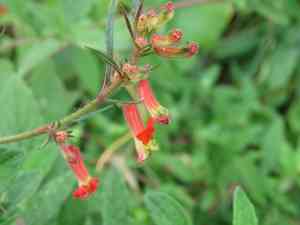
1
Cigar plants thrive with over 6 hours of direct sunlight each day for peak development.
2
They can endure some dappled light, though this might impact flower production.
3
When kept indoors, position them by south-facing windows to guarantee adequate illumination.
Ideal Light Requirements for the Firecracker Plant
Full Sun Necessities
The Firecracker plant flourishes most favorably in environments with full sun. This implies it requires a minimum of six hours of direct solar exposure daily. When situated in an appropriate location, enabling it to absorb plentiful sunlight, the plant tends to produce more vibrant and abundant blooms. A sunny position also guarantees strong development and robust health. It's perfect for garden areas that receive continuous sunlight for the majority of the day.
Partial Shade Adaptability
Although the Firecracker plant favors complete sunlight, it can endure partial shade. Partial shade refers to zones that get direct sun for approximately three to six hours per day, with filtered or indirect light for the remainder of the day. While it can survive these circumstances, this might lead to fewer flowers and slower development. If you notice your plant appearing somewhat sparse or elongated, consider relocating it to a sunnier spot.
Indoor Light Demands
If you are cultivating a Firecracker plant indoors, its placement is vital. Position your plant near a window facing south where it can obtain ample natural illumination. If direct sun is limited, supplement with artificial grow lights to ensure the plant receives at least six hours of light. Rotate the container periodically to encourage uniform growth and prevent the plant from inclining toward the light source.
Consequences of Excessive or Insufficient Sun for the Firecracker Plant
Indicators of Sun Damage
Much like humans, plants can experience sun damage. If a Firecracker plant gets too much direct sun, especially in excessively hot conditions, its leaves may exhibit signs of burning. You will observe brown or bleached areas on the foliage. Should this occur, provide some shelter during the hottest part of the day, or move the plant to a location where it receives morning sun and afternoon shade.
Signs of Inadequate Light
Too little sunlight can also be harmful. A Firecracker plant that doesn't get sufficient light might develop elongated stems as it extends towards the light, a condition known as etiolation. The leaves may also appear paler, and the plant might produce fewer or no blossoms. If you observe these symptoms, gradually move the plant to a brighter spot.
Achieving Balanced Light Exposure
Finding the correct equilibrium in light exposure is crucial for your Firecracker plant's well-being. Ensure it receives ample sunlight without continuous exposure to harsh, midday rays. Consider acquiring light meters to monitor the strength and duration of light your plants are receiving. Regularly evaluate their placement and adjust based on the season and changing light conditions.
Optimally Positioning Your Firecracker Plant for Sunlight
Best Outdoor Placements
For outdoor Firecracker plants, select a garden area that receives full sun for most of the day. South-facing gardens are generally preferable. Ensure that the plant is not overshadowed by structures or taller vegetation. If grown in containers, consider utilizing plant caddies, which facilitate moving the plants to find the best sunlight throughout the year.
Ideal Indoor Locations
Indoors, a Firecracker plant should be situated in brightly lit spots. South-facing windows are typically perfect as they offer the most consistent illumination throughout the day. If a south-facing window is unavailable, east or west-facing windows can also suffice, though supplementary grow lights might be needed to augment the natural light.
Seasonal Light Considerations for the Firecracker Plant
Summer vs. Winter Light
Sunlight conditions fluctuate with the seasons. During summer, the sun is higher in the sky, and days are longer. This is the prime growth period for the Firecracker plant. However, in winter, the sun is lower, and days are shorter, meaning the plant receives less light. Be sure to position the plant in the sunniest possible spot during these shorter days and consider employing grow lights to compensate for the diminished natural light.
Adjusting for Overcast Conditions
Cloudy weather can significantly reduce the amount of sunlight your Firecracker plant obtains. During extended overcast periods, closely observe the plant for indicators of reduced light exposure, such as leggy growth or paler leaves. If necessary, use supplementary illumination to maintain the required light levels until natural sunlight becomes adequate once more.



