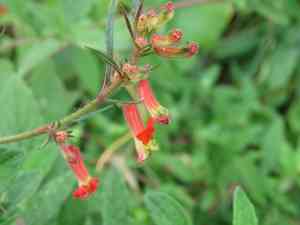
Cigar plant (Cuphea hookeriana)
Also known as: None
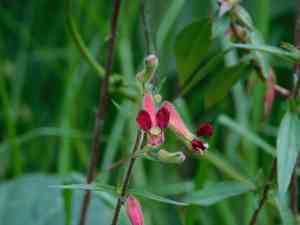
The cigar plant (Cuphea hookeriana) is prized for its striking tubular flowers in shades of bright red or orange, making it a favorite for ornamental gardens and container arrangements. This plant is compact, quick-growing, and low-maintenance, although it is sensitive to frost. It is particularly attractive to hummingbirds and butterflies, enhancing the biodiversity of your garden. The cigar plant thrives in full sun or partial shade and prefers well-drained soil. It offers a prolonged blooming season from late spring through fall, adding vibrant color to your outdoor space.
In This Article
Attributes of Cigar plant
Lifespan
Perennial
Plant Type
Shrub
Plant Height
2 m
Spread
20-30 cm
Leaf Color
Green
Flower Size
1-2 cm
Flower Color
Purple Red
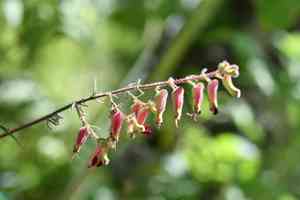
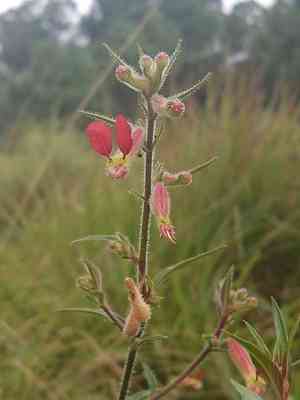
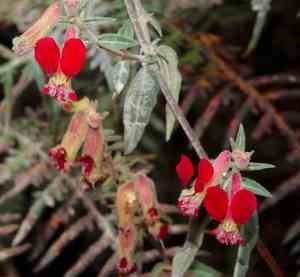
Images of Cigar plant
Quickly Identify Cigar plant
1
Cuphea hookeriana can be identified by its distinct small, tubular flowers which are typically vivid in color. The leaves are opposite, simple, and generally have a smooth edge.
Scientific Classification of Cigar plant
Phylum
Vascular plants
Class
Dicotyledons
Order
Myrtle order
Family
Loosestrife
Genus
Cupheas
Species
Cigar plant
Planting and Growing of Cigar plant
Care Difficulty
Easy
Watering Schedule
Every 2 days
Sunlight Requirements
Partial sun
Sunshine Duration
6-10 hours
Ideal Temperature
65-75℉
Soil Type
Potting Mix, Peat Mix
Soil pH
6.5-7.5
Fertilizer Type
Balanced
Pruning Season
Spring, Summer
Pruning Area
Branches, Leaves
Pruning Frequency
2 times a year
Repotting Season
Spring
Pot Type
Plastic, Ceramic
 How to Water Cigar plant?
For Cuphea hookeriana, watering should be thorough but not excessive. Ideally, you should water with about 250 milliliters, aiming to moisten the soil evenly without leaving it waterlogged. Allow the top inch of soil to dry before re-watering to ensure proper moisture levels.
What are the symptoms of an underwatered Cigar plant?
›
What should I do if my Cigar plant is not getting enough water?
›
What are the symptoms of an overwatered Cigar plant?
›
How to save an overwatered Cigar plant?
›
 What Are the Sunlight Requirements for Cigar plant?
Cuphea hookeriana prefers partial sun conditions. Ideal light involves dappled sunlight throughout the day, fostering healthy growth and vibrant coloration in its foliage.
More About Sunlight Requirements Techniques→
What is the best type of sunlight for Cuphea hookeriana?
›
How can I ensure Cuphea hookeriana gets its ideal lighting?
›
What are the benefits of Cuphea hookeriana having ideal lighting?
›
 What Is the Ideal Temperature Range for Cigar plant?
For Cuphea hookeriana, the ideal growing temperature is between 65°F to 75°F. This range ensures optimal enzyme function, photosynthesis efficiency, and cellular activities necessary for healthy plant growth and development.
 What Soil is Best for Cigar plant?
Cuphea hookeriana thrives in well-drained soil, as it prevents waterlogging which can be detrimental to its roots. Ensuring good drainage helps maintain proper aeration and prevents root rot, promoting healthy root development. This plant prefers soil with moderate fertility, ensuring it gets enough nutrients without the risk of nutrient burn. A balanced nutrient supply supports vigorous growth and enhances its vibrant blooming capabilities. The plant benefits from consistently moist soil, which helps support its lush foliage and flowering. Regular watering keeps the plant hydrated, especially during dry spells, ensuring continuous and healthy growth.
 How to Fertilize Cigar plant?
Cuphea hookeriana generally thrives on a considerate fertilizing regimen. For liquid fertilizers, a concentration of about 1/2 strength of the manufacturer's recommendation every two weeks works well. With slow-release fertilizers, apply about 2-3 tablespoons per plant in the early spring to support its growth throughout the year. Adjust the amount based on the plant's response, curbing application if foliage appears overly lush or the plant appears weak.
 How to Prune Cigar plant?
Start by identifying dead or diseased branches and remove them entirely using sharp, clean shears. Next, trim back any overgrown or leggy stems to maintain the desired shape and encourage fuller growth. Make cuts just above a leaf node to promote new branching. Use pruning to shape Cuphea hookeriana into a bushy, compact form. Trim back the plant evenly, taking care to maintain its natural shape and size. Regular shaping prevents the plant from becoming too unruly and helps maintain its lush appearance.
More About Pruning Techniques→
 How to Propagate Cigar plant plant?
1
Select healthy stems and use clean pruning shears to take a cutting of about 10-15 centimeters. Ensure the cutting has at least two nodes and remove the leaves on the bottom half.
2
Dip the cut end of the cutting in rooting hormone to encourage root growth. Gently tap off any excess hormone, as too much can inhibit rooting.
3
Place the cutting in a pot with a well-draining potting mix. Firm the soil around the cutting to minimize air pockets, which could hinder root development.
 How to Repot Cigar plant plant?
1
Cuphea hookeriana shows signs of needing repotting when you notice roots growing out of the drainage holes or when growth appears stunted. It's important to repot during the growing seasons of spring or summer, as this allows the plant to recover and establish in its new environment quickly.
2
Select a pot that provides good drainage; clay pots with drainage holes are ideal. The pot should be one size larger than the current one to allow room for growth but not so large that water retention becomes an issue, which could potentially lead to root rot.
3
Opt for a rich, well-draining potting mix. A combination of peat moss, perlite, and compost ensures that the soil retains some moisture but still allows excess water to drain efficiently. This setup supports healthy root development and helps prevent waterlogging.
Learn More About Cigar plant Diseases
Anthracnose
Bacterial Leaf Spot
Bacterial Wilt
Crown Gall
Damping-off
Downy Mildew
Drought Stress
Fusarium Wilt
Gray Mold
Leaf Curl
Leaf Spot
Mosaic
Nutrient Deficiency
Nutrient Toxicity
Powdery Mildew
Root Rot
Root-knot Nematode
Rusts
Sooty Mold
Spider Mites
Temperature Stress
Thrips Damage
White Mold



