How Much Sunlight Do Never never plant Need?
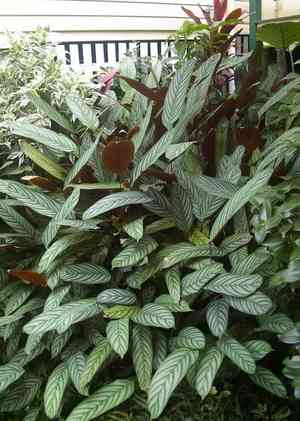
1
The Never Never plant flourishes with approximately 3-6 hours of diffused daylight each day.
2
Employing transparent drapes or window coverings can assist in providing the perfect filtered illumination for your plant.
3
For plants situated in dimly lit spots, periodic application of supplemental grow lights can foster vigorous development.
What is the Ideal Light Level for the Never never plant?
Filtered Light Requirements
The Never never plant thrives best with diffused or dappled illumination. Ideally, it should receive approximately 3-6 hours of indirect sun exposure daily. This species originates from the shaded understories of tropical rainforests, so replicating that environment by providing filtered light through sheer drapes or blinds can help establish the perfect indoor setting.
Avoiding Direct Sunlight
Direct sun exposure can be harmful to the Never never plant. Its foliage is susceptible to scorching and losing its vivid patterns when subjected to too much intense light. Similar to how a person needs sunscreen to prevent sunburn, this plant requires shade or filtered light to prevent damage. Position it away from windows where direct sunlight is strongest, especially during midday hours.
Best Locations in Your Home
Selecting the appropriate spot in your home is vital for the Never never plant's well-being. East-facing windows are perfect as they offer gentle, morning sunlight which is less intense. A north-facing window can also work, though you might need to supplement with artificial illumination. Avoid placing the plant in south or west-facing windows without protection, as the strong light in these areas can injure the leaves.
How to Identify Sunlight-Related Issues in Never never plant?
Signs of Too Much Sunlight
If your Never never plant is receiving excessive sunlight, the leaves may show brown or yellow patches, indicating sunburn. The leaf tips can also become crisp and arid. Furthermore, the vibrant leaf patterns might begin to fade or bleach out due to overexposure to light.
Signs of Insufficient Light
Conversely, inadequate light can result in other problems. The leaves might become leggy or elongated as the plant extends towards the light source. A dull or slow growth rate is also a common indicator. You might also observe the leaf coloration becoming less vibrant and the patterns less distinct.
Adjusting Light Conditions
To correct illumination issues, you should first assess the current light conditions and symptoms. If the plant gets too much light, move it to a more shaded location or use sheer curtains to diffuse the light. For insufficient light, consider relocating it to a brighter area, or utilize artificial grow lights to complement natural light. Regular monitoring and adjustments will help the plant recover and flourish.
Can Never never plant Thrive in Low Light Environments?
Adapting to Low Light Conditions
The Never never plant can adjust to low light conditions, though it may not flourish as dramatically as in brighter settings. It will grow, but at a slower pace and with less vibrant leaf colors. Ensuring it still receives some indirect sunlight, even in dim conditions, is essential for maintaining its health.
Supplementing with Artificial Light
In low-light environments, supplementing with artificial grow lights can be beneficial. Use LED grow lights, as they provide a full spectrum of light similar to natural sunlight. Position the light about 12-18 inches (30-45 cm) away from the plant to prevent excessive heat, and operate the light for approximately 6-8 hours daily to mimic a natural light cycle.
Balancing Light and Water Needs
Balancing the light and water requirements for the Never never plant is critical, particularly in low-light conditions. Less light typically means the plant needs less water, as the evaporation rate is slower. Ensure the top inch (2.5 cm) of the soil is dry before watering. Overwatering in low light can lead to root rot, so it's important to modify the watering schedule accordingly.



