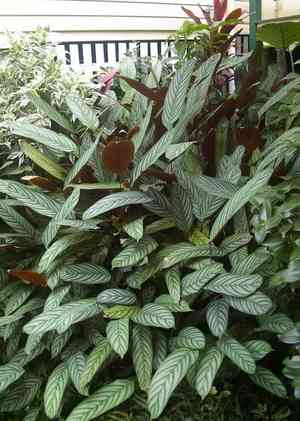
Never never plant (Ctenanthe setosa)
Also known as: Never Never Plant, Brazilian Star
The Never Never plant (Ctenanthe setosa), a tropical perennial from Brazil, thrives indoors or on patios under specific conditions. It prefers bright, indirect sunlight and should be planted in moist, well-draining soil. Maintaining high humidity is essential, which can be achieved through misting or using a humidifier. Regular fertilization during the growing season (spring and summer) supports its growth. This plant occasionally produces small, subtle whitish-yellow flowers.
In This Article
Attributes of Never never plant
Lifespan
Perennial
Plant Type
Herb
Plant Height
1 m to 2 m
Spread
60 cm to 90 cm
Leaf Color
Green Variegated
Flower Size
2.5 cm
Flower Color
White
Images of Never never plant
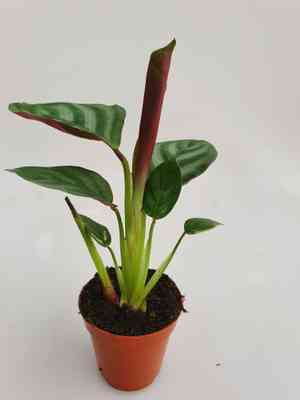
Quickly Identify Never never plant
1
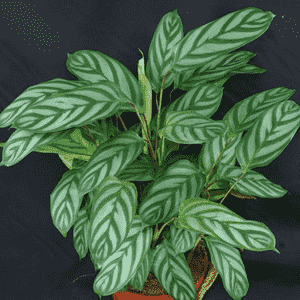
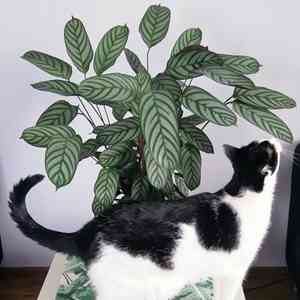
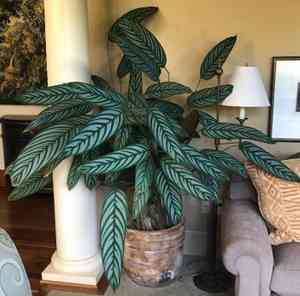
Look for elongated, lance-shaped leaves with light green or silvery patterns on the top and a contrasting dark purple underside.
Scientific Classification of Never never plant
Phylum
Vascular plants
Class
Monocotyledons
Order
Gingers, bananas, and allies
Family
Arrowroot
Genus
Ctenanthe
Species
Never never plant
Planting and Growing of Never never plant
Care Difficulty
Moderate
Watering Schedule
Every 3 days
Sunlight Requirements
Partial sun
Sunshine Duration
6-10 hours
Ideal Temperature
65-75℉
Soil Type
Potting Mix, Peat Mix
Soil pH
6.5-7.5
Fertilizer Type
Balanced
Pruning Season
Spring, Summer
Pruning Area
Branches, Leaves
Pruning Frequency
2 times a year
Repotting Season
Spring
Pot Type
Plastic, Ceramic
 How to Water Never never plant?
For Ctenanthe setosa, ensure the soil is moist but not waterlogged. A good rule of thumb is to water it until you see a little water coming out of the drainage holes. Do not let it sit in water to avoid root rot.
What are the symptoms of an underwatered Never never plant?
›
What should I do if my Never never plant is not getting enough water?
›
What are the symptoms of an overwatered Never never plant?
›
How to save an overwatered Never never plant?
›
 What Are the Sunlight Requirements for Never never plant?
Partial sun exposure allows Ctenanthe setosa to maintain optimal health by supporting suitable growth and preserving its vibrant leaf patterns.
More About Sunlight Requirements Techniques→
What is the ideal lighting for Ctenanthe setosa?
›
How can you achieve the ideal lighting conditions?
›
What are the benefits of ideal light conditions?
›
 What Is the Ideal Temperature Range for Never never plant?
What is the ideal temperature range for Ctenanthe setosa? The ideal temperature range for Ctenanthe setosa is between 65 and 75 degrees Fahrenheit. These temperatures provide the optimal conditions for growth, ensuring that the plant maintains its vibrant foliage and stays healthy. It's essential to mimic the temperature conditions of its natural habitat to promote long-term well-being.
 What Soil is Best for Never never plant?
Ctenanthe setosa thrives in soil that retains moisture yet drains well. This balance prevents root rot while ensuring the plant receives adequate moisture, fostering vibrant, healthy growth. This plant prefers soil enriched with organic matter, which supplies essential nutrients. Rich soil supports lush foliage and enhances the plant's growth, contributing to its striking appearance. Well-aerated soil allows oxygen to reach the roots, which is crucial for the plant's respiration and nutrient uptake, ensuring robust growth and vibrant leaf patterns.
 How to Fertilize Never never plant?
For Ctenanthe setosa, use a balanced liquid fertilizer diluted to half strength, about 1 teaspoon per gallon of water to avoid root burn while ensuring steady growth.
 How to Prune Never never plant?
Ensure you have a sharp pair of pruning shears or scissors. This will help make clean cuts, reducing the risk of damage or disease entering the plant. Clean your tools with rubbing alcohol to further prevent any potential infection. Look for yellowing or brown leaves, as well as any stems that appear leggy or weak. Removing these will direct the plant's energy toward healthy, vibrant growth. Pay attention to the natural shape of the plant to maintain its attractive appearance. When cutting, aim to snip just above a leaf node. This encourages the plant to grow from the node, leading to denser foliage. Be gentle to avoid accidentally damaging other stems or leaves.
More About Pruning Techniques→
 How to Propagate Never never plant plant?
1
Water the mother plant a day before division to ensure it is hydrated. This makes it easier to divide and less stressful for the plant. Gently remove the plant from its pot to inspect the root system.
2
Using the sharp knife or pruners, carefully divide the root ball into smaller sections. Each section should have a good amount of roots and several stems or leaves. Handle the roots gently to prevent damage.
3
Place each division into a pot filled with the prepared potting soil. Position the plant at the same depth it was growing before. After planting, water the divisions lightly to settle the soil around the roots.
 How to Repot Never never plant plant?
1
Look for signs such as roots growing through drainage holes or stunted growth. When your Ctenanthe setosa shows these symptoms, it's a clear indication that it needs more space to thrive and it's time to consider repotting.
2
Choose a pot that is one size larger than the current one, with adequate drainage holes. A slightly larger pot encourages healthy root growth without overwhelming the plant's root system, maintaining an optimal moisture level.
3
Select a soil mix that retains moisture but drains well, such as a mixture of potting soil, peat, and perlite. This balance ensures that the roots receive enough air and water, preventing root rot and promoting vigorous growth.



