How Much Sunlight Do Tall tickseed Need?
1
Tall tickseed flourishes in ample sunlight but can endure some shade.
2
Target a minimum of 6 hours of direct sun daily for peak development.
3
Observe your plant frequently to modify its light exposure as required, particularly with shifts in seasons.
Optimal Light Requirements for Tall tickseed
Full Sun vs. Partial Shade
Tall tickseed thrives in bright conditions, preferring full sun exposure. Full sun implies the plant receives a minimum of 6 to 8 hours of direct sunlight daily. However, Tall tickseed exhibits some adaptability and can endure partial shade, meaning less than 6 hours of direct sun, though this might impact its flowering intensity and growth rate. In regions with intense summer heat, some afternoon shade can safeguard the plant from harsh conditions.
Daily Sun Exposure Duration
For Tall tickseed to flourish, it ideally requires at least 6 hours of direct sunlight each day. While the plant can survive in partial shade, prolonged insufficient light can result in less vibrant blossoms and stunted development. Regularly monitor the amount of sunlight your garden receives throughout the day and year.
Ensuring Adequate Sunlight for Tall tickseed
Planting Location Selection
Selecting the correct planting site is essential. When deciding where to place your Tall tickseed, choose a spot with maximum sun exposure. An open garden bed, away from tall structures, trees, or anything casting extended shadows, would be perfect. If possible, a south-facing location often gets the most consistent and prolonged sunlight.
Utilizing Sunlight Tracking Tools
Modern technology offers various tools to help monitor sunlight exposure in your garden. Sunlight tracking applications or devices can provide precise measurements of how much direct sunlight a specific area receives daily. Use these tools to make informed decisions about the best spots for planting Tall tickseed.
Adapting to Seasonal Variations
Seasonal changes can affect the amount of sunlight your Tall tickseed receives. In summer, the sun is higher, and longer days mean more light. Conversely, winter brings shorter days and lower sun angles. To counteract these shifts, consider planting Tall tickseed in a movable container that can be repositioned to the sunniest spot as needed. Additionally, pruning overgrown vegetation that might create shadows can help maintain sufficient light levels year-round.
Indicators of Sunlight Imbalance in Tall tickseed
Signs of Insufficient Sunlight
If your Tall tickseed isn't getting enough sunlight, you might observe several clear indicators. These include elongated, weak stems (leggy growth), fewer and duller blooms, and a general lack of vigor. Lower leaves may yellow and drop prematurely. If these symptoms appear, consider moving your plant to a brighter location.
Symptoms of Excessive Sunlight
While Tall tickseed loves sun, too much intense light, especially in very hot climates, can cause its own set of issues. Signs of excessive sunlight include leaf burn or scorching, appearing as brown or crispy edges on the foliage. In such cases, providing afternoon shade or using a light garden cover can help shield the plant from the harshest rays.
Advantages of Proper Sunlight for Tall tickseed
Enhanced Flowering
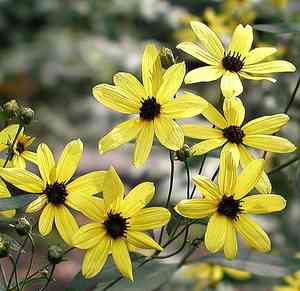
Appropriate sunlight is crucial for Tall tickseed to produce vibrant and abundant flowers. With sufficient light, the plant can direct enough energy into blooming, resulting in a spectacular display of bright, yellow flowers that can last from mid-summer to fall. Less than ideal light conditions might delay flowering or reduce the number of blossoms.
Improved Growth and Vitality
Beyond just blooming, consistent sunlight supports overall plant health and vigorous growth. Adequate sunlight ensures that Tall tickseed performs optimal photosynthesis, which is essential for nutrient production and energy storage. This leads to a stronger, more resilient plant better able to resist pests and diseases compared to one grown in suboptimal light conditions.



