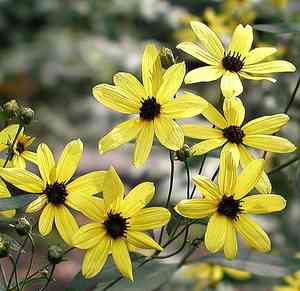
Tall tickseed (Coreopsis tripteris)
Also known as: Tall coreopsis
Tall tickseed, known scientifically as Coreopsis tripteris, is named for its impressive height. This perennial can grow up to 2 to 2.5 meters tall. Be mindful of its tendency to spread aggressively when choosing a planting location. It’s easy to grow from seed and produces an abundance of bright yellow flowers.
In This Article
Attributes of Tall tickseed
Lifespan
Perennial
Plant Type
Herb
Plant Height
1 m to 2 m
Spread
1.2 m to 2.5 m
Leaf Color
Green
Flower Size
5 cm
Flower Color
Yellow Brown Gold
Images of Tall tickseed
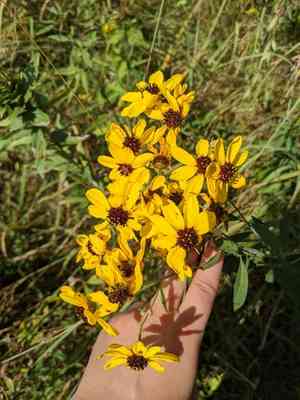
Quickly Identify Tall tickseed
1
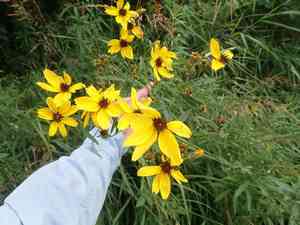
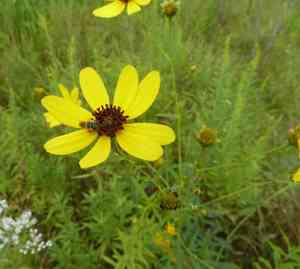
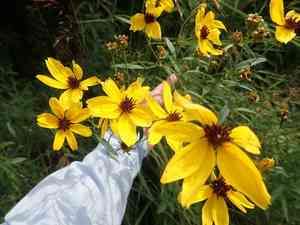
Vibrant yellow, daisy-like flowers with short outer bracts
2
Tall stems up to 8 feet (240 cm) in height
3
Anise-scented leaves divided into lanceolate segments
4
Brown achene fruit with lighter-winged margins, oval shape
5
Smooth leaves with prominent vein pattern, lower leaves stalked
Scientific Classification of Tall tickseed
Phylum
Vascular plants
Class
Dicotyledons
Order
Asterales
Family
Daisy
Genus
Calliopsis
Species
Tall tickseed
Planting and Growing of Tall tickseed
Care Difficulty
Easy
Watering Schedule
Every 4 days
Sunlight Requirements
Full sun
Sunshine Duration
4-8 hours
Ideal Temperature
65-75℉
Soil Type
Potting Mix, Peat Mix
Soil pH
6.5-7.5
Fertilizer Type
Balanced
Pruning Season
Spring, Summer
Pruning Area
Branches, Leaves
Pruning Frequency
2 times a year
Repotting Season
Spring
Pot Type
Plastic, Ceramic
 How to Water Tall tickseed?
Coreopsis tripteris generally requires moderate watering, ideally about 500 milliliters per session. The principle to follow here is to water deeply but infrequently, allowing the topsoil to dry out between waterings. This mimics its natural environment, preventing root rot and promoting healthy plant growth.
What are the symptoms of an underwatered Tall tickseed?
›
What should I do if my Tall tickseed is not getting enough water?
›
What are the symptoms of an overwatered Tall tickseed?
›
How to save an overwatered Tall tickseed?
›
 What Are the Sunlight Requirements for Tall tickseed?
Full sunlight is akin to a growth booster for Coreopsis tripteris, promoting enviable bloom cycles and greater photosynthesis, essential for healthy development.
More About Sunlight Requirements Techniques→
How much sunlight does Coreopsis tripteris need?
›
What are the benefits of optimal sunlight?
›
How can I ensure optimal light conditions indoors?
›
 What Is the Ideal Temperature Range for Tall tickseed?
For Coreopsis tripteris to thrive, maintain temperatures between 65°F and 75°F. This range mimics the plant's natural habitat, promoting optimal growth, vigorous blooming, and robust health. Environmental stability is key, ensuring consistent warmth and avoiding fluctuations that can stress the plant.
 What Soil is Best for Tall tickseed?
Coreopsis tripteris thrives in well-drained soil, as it prevents root rot and ensures that the roots have access to the necessary oxygen. Adequate drainage is crucial for maintaining healthy plant growth. The plant prefers soils with moderate fertility. This balance ensures that it receives enough nutrients to support growth without promoting excessive foliage at the expense of blooms. While Coreopsis tripteris tolerates periodic drought, it performs best in consistently moist but not water-logged conditions. This enhances its vibrant flowering and overall vigor.
 How to Fertilize Tall tickseed?
Coreopsis tripteris thrives in nutrient-rich environments but doesn't demand excessive fertilization. Use a balanced fertilizer, either liquid or granular, ensuring a concentration of no more than 10-10-10 for the season. Approximately 1 tablespoon per square foot should suffice. Over-fertilization can lead to excessive vegetative growth at the expense of blooms.
 How to Prune Tall tickseed?
Before you begin, ensure you have a clean, sharp pair of pruning shears. Dull tools can tear the plant, opening it to disease. It's also a good idea to sanitize your tools before and after use to prevent the spread of any plant pathogens. Look for dead or damaged stems and cut them back to the base. For maintenance, identify stems that are overly tall or that have already bloomed. These can be cut back by about a third of their height to encourage new growth. When trimming, make cuts at a 45-degree angle just above a set of leaves or a bud. This ensures water runs off and doesn't pool on the cut, which helps prevent rot. Be gentle with your cuts to avoid splitting the stem.
More About Pruning Techniques→
 How to Propagate Tall tickseed plant?
1
Before sowing, prepare the seeds by soaking them in water overnight. This helps to soften the seed coat, promoting faster germination when planted in seed trays filled with nutrient-rich soil.
2
Select non-flowering stems for cuttings, as they focus energy on root formation. Cut a 4-6 inch section, ensuring it has several leaf nodes. Remove any lower leaves, retaining only a few at the top.
3
For division propagation, carefully dig up the plant, ensuring minimal root disturbance. Use a clean knife or spade to divide the root ball into sections, each with a healthy portion of stems and roots.
 How to Repot Tall tickseed plant?
1
Coreopsis tripteris, also known as Tall Tickseed, signals its need for repotting when roots begin to emerge from the drainage holes, or when growth appears stunted despite optimal care. It's best to address repotting needs during its active growing seasons, spring or early summer. Choosing these seasons ensures the plant can quickly recover and continue to thrive.
2
Select a pot that is one or two sizes larger than the current container. The ideal pot should have ample drainage holes to prevent waterlogged soil, which could lead to root rot. A slightly larger pot provides enough space for root growth while minimizing the risk of excessive soil moisture.
3
Opt for a well-draining garden soil mix. A mixture containing a good blend of sand, perlite, and organic materials like compost will provide essential nutrients while ensuring excellent drainage, mimicking the Coreopsis tripteris's native prairie conditions.
Learn More About Tall tickseed Diseases
Anthracnose
Bacterial Leaf Spot
Bacterial Wilt
Black Spot
Chemical Injury
Crown Gall
Damping-off
Downy Mildew
Drought Stress
Fusarium Wilt
Gray Mold
Leaf Spot
Mosaic
Nutrient Deficiency
Nutrient Toxicity
Powdery Mildew
Root Rot
Root-knot Nematode
Rusts
Sooty Mold
Spider Mites
Temperature Stress
Thrips Damage
White Mold



