How Much Sunlight Do Threeleaf goldthread Need?
1
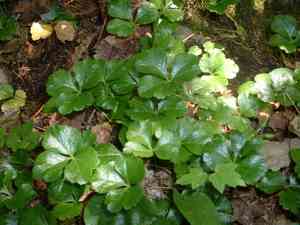
Threeleaf goldthread flourishes optimally in filtered light, needing approximately 3-6 hours of sun each day.
2
Optimal indoor placements for Threeleaf goldthread involve areas close to windows facing north.
3
Excessive sun exposure can lead to burning and discoloration of Threeleaf goldthread foliage.
Optimal Illumination for Threeleaf goldthread
Diffused Light Versus Direct Rays
For Threeleaf goldthread, the quality of light is as crucial as its quantity. This delicate flora thrives in diffused light rather than direct sun. Diffused light, often described as dappled or filtered, emulates the natural setting of forest floors where sunlight penetrates the tree canopy. Intense direct sunlight can be overly harsh, potentially causing leaf scorching and discoloration. If natural light isn't feasible, employing sheer drapes or positioning the plant where it gets indirect light can replicate these filtered conditions.
Daily Light Exposure Requirements
Threeleaf goldthread performs best with partial sun, meaning it should receive approximately 3-6 hours of light daily. This can be achieved by placing the plant where it catches the morning sun but is shaded in the afternoon to prevent overheating. Morning light is typically gentler and less likely to harm the plant compared to the strong afternoon rays.
Ideal Planting Spots for Threeleaf goldthread
Optimal Indoor Placements
For indoor gardening enthusiasts, Threeleaf goldthread can be a delightful addition to your plant collection. Position it near a north-facing window for ample indirect light. East-facing windows are also a good choice, providing soft morning sunlight. Avoid south or west-facing windows unless shaded by curtains, as the light intensity can be too strong.
Suitable Outdoor Environments
Outdoors, Threeleaf goldthread should be situated in areas that mimic its native habitat. Woodland gardens, shaded borders, or spots beneath the canopy of larger trees can offer the perfect environment. These locations provide filtered sunlight and protection from direct afternoon sun. Applying mulch around the plant can further help retain moisture and shield the roots from heat.
Impact of Insufficient Light on Threeleaf goldthread
Indicators of Low Light Levels
Inadequate sunlight can lead to several noticeable signs in Threeleaf goldthread. Common indicators include pale, yellowing foliage and stem elongation as the plant stretches for more light. Additionally, leaves may become thinner, and the plant's overall growth might slow. If these symptoms appear, consider moving the plant to a brighter location or supplementing with artificial light if necessary.
Growth Consequences
Over time, persistent low light conditions can hinder the growth of Threeleaf goldthread. The plant may become weak, more prone to diseases, and its overall vigor can decline. Proper sunlight is vital for photosynthesis, the process by which the plant converts light into energy. Without sufficient light, the plant cannot perform this essential function efficiently, leading to suboptimal growth and health.
Managing Excessive Light for Threeleaf goldthread
Signs of Overexposure to Sun
Conversely, too much sunlight can also be detrimental to Threeleaf goldthread. Symptoms of excess sunlight include scorched or browned leaf edges, leaf curling, and general wilting. The plant might also show signs of stress such as stunted development or premature leaf drop. These are clear indications that the plant is receiving more light than it can tolerate.
Protective Strategies
To shield Threeleaf goldthread from excessive sunlight, consider using shade cloths or planting it in areas that receive partial shade. If potted, you can easily relocate the plant to a spot with more suitable light conditions. Indoors, using sheer curtains to diffuse harsh light or placing the plant further from direct sunlight can help mitigate the effects of overexposure. Regularly monitoring the plant and adjusting its position as needed will ensure it remains healthy and vibrant.



