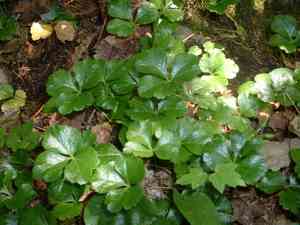
Threeleaf goldthread (Coptis trifolia)
Also known as: Canker-root
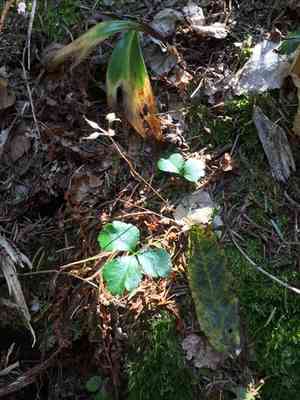
The plant you're referring to is called Threeleaf Goldthread. Its name comes from the three leaves found at the tip of each branch and its yellow, thread-like roots. Typically, it features a single white flower at the end of a long stem.
In This Article
Attributes of Threeleaf goldthread
Lifespan
Perennial
Plant Type
Herb
Plant Height
8 cm to 15 cm
Spread
10 cm to 40 cm
Leaf Color
Green Blue
Flower Size
2.5 cm
Flower Color
White
Images of Threeleaf goldthread
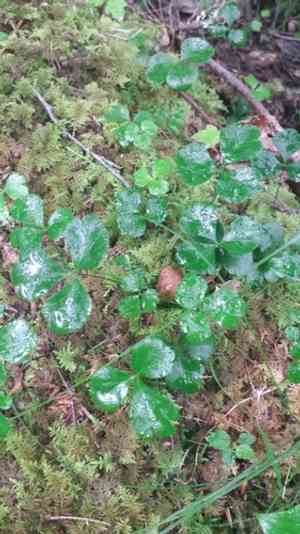
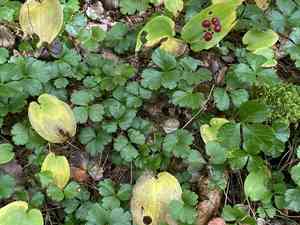
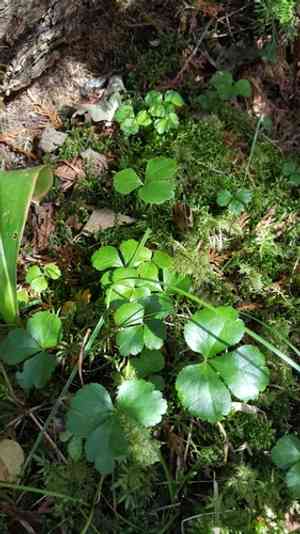
Quickly Identify Threeleaf goldthread
1
Look for trifoliate leaves (three-parted leaves) with shiny, dark green foliage. The plant has small, white, star-shaped flowers and typically grows in moist, shaded areas such as forests and bogs.
Scientific Classification of Threeleaf goldthread
Phylum
Vascular plants
Class
Dicotyledons
Order
Ranunculales
Family
Buttercup
Genus
Goldthreads
Species
Threeleaf goldthread
Planting and Growing of Threeleaf goldthread
Care Difficulty
Moderate
Watering Schedule
Every 2 days
Sunlight Requirements
Partial sun
Sunshine Duration
6-10 hours
Ideal Temperature
59-77℉
Soil Type
Potting Mix
Soil pH
5-6.5
Fertilizer Type
Balanced
Pruning Season
Spring, Summer
Pruning Area
Branches, Leaves
Pruning Frequency
2 times a year
Repotting Season
Spring
Pot Type
Plastic, Ceramic
 How to Water Threeleaf goldthread?
For Coptis trifolia, it is vital to maintain a balance in watering to mimic its natural habitat. Ideally, you should water the soil until it feels moist but not waterlogged, approximately 200 milliliters per session. The soil should be evenly moist but should never be allowed to become soggy, which can lead to root rot.
What are the symptoms of an underwatered Threeleaf goldthread?
›
What should I do if my Threeleaf goldthread is not getting enough water?
›
What are the symptoms of an overwatered Threeleaf goldthread?
›
How to save an overwatered Threeleaf goldthread?
›
 What Are the Sunlight Requirements for Threeleaf goldthread?
Coptis trifolia benefits most from partial sun to full shade, replicating the dappled light of forest undergrowth. Ideally, it should receive 3 to 5 hours of filtered light to maximize photosynthesis and maintain optimal health without risk of damage.
More About Sunlight Requirements Techniques→
What is the ideal light exposure for Coptis trifolia?
›
How can you provide optimal lighting conditions?
›
What are the benefits of optimal lighting for Coptis trifolia?
›
 What Is the Ideal Temperature Range for Threeleaf goldthread?
For Coptis trifolia, the ideal temperature range of 59-77°F allows optimal metabolic activities. These temperatures support efficient photosynthesis and nutrient absorption, which are critical for growth and flowering in this species. Outside this range, processes may slow, leading to stunted growth.
 What Soil is Best for Threeleaf goldthread?
Coptis trifolia thrives in soil that retains moisture well. This ensures the roots have consistent access to water, promoting vibrant growth and preventing dehydration stress. A soil rich in organic matter is essential for Coptis trifolia, supporting healthy foliage and robust root development by providing essential nutrients. An acidic soil environment enhances the nutrient uptake efficiency of Coptis trifolia, helping it maintain optimal health and growth with vibrant leaves and blossoms.
 How to Fertilize Threeleaf goldthread?
Coptis trifolia prefers a delicate touch when it comes to fertilization. Use a diluted liquid fertilizer at half the strength recommended for most houseplants. This ensures a balanced nutrient supply without overwhelming the plant's natural growth processes.
 How to Prune Threeleaf goldthread?
Begin by inspecting the plant for any dead or damaged leaves. These should be removed first as they divert energy away from new growth. Identify these leaves by their discolored or limp appearance. Once dead leaves are removed, focus on trimming the plant into a desirable shape. Coptis trifolia benefits from a neat and compact look, so carefully snip long or awkward branches to maintain symmetry.
More About Pruning Techniques→
 How to Propagate Threeleaf goldthread plant?
1
Harvest seeds from mature Coptis trifolia plants in late autumn. Ensure the seeds are fully ripe by waiting until the seed pods dry and start to split. Store the seeds in a cool, dry place until spring.
2
Prepare a well-draining seed starting mix by combining equal parts of peat moss, perlite, and vermiculite. This mixture provides the seeds with adequate moisture retention and aeration.
3
Sow the seeds on the surface of the moist seed starting mix in the seed tray, pressing them gently into the soil without covering them. Maintain a consistent temperature of around 15°C (59°F) for optimal germination.
 How to Repot Threeleaf goldthread plant?
1
Repot Coptis trifolia when its growth seems restricted or the roots start coiling inside the pot. Also, consider repotting if you notice reduced vigor or poor drainage. Spring and autumn are ideal times due to mild temperatures promoting root establishment.
2
Select a pot slightly larger than the current one, ensuring it has ample drainage holes. This helps mitigate overwatering issues, allowing the plant to establish roots without circling. A pot made of breathable material like terracotta can further ensure moisture balance.
3
Opt for an acidic, humus-rich soil, similar to its natural woodland habitat. This type of soil facilitates adequate drainage while maintaining necessary nutrients and moisture, thus promoting healthy plant growth.



