How Much Sunlight Do Harvest Brodiaea Need?
1
Harvest Brodiaea flourishes optimally with more than 6 hours of direct sun each day.
2
Variations in seasons can alter the amount of sunlight Harvest Brodiaea receives, influencing its development.
3
Employing artificial grow lights can efficiently augment natural light for Harvest Brodiaea grown indoors.
Grasping Harvest Brodiaea's Light Needs
Ideal Light Conditions
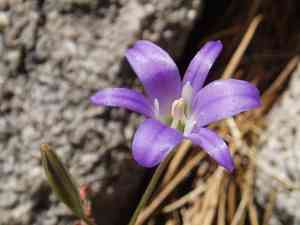
Harvest Brodiaea thrives in full sun. These attractive, purple-flowered bulbs require a minimum of 6 hours of direct sunlight daily to maintain their vivid color and robust development. When selecting a planting site for your Harvest Brodiaea, ensure it receives ample sunlight throughout the day. This makes them perfect for sunny gardens and borders where they can soak up the daily sun.
Impact of Seasonal Shifts
Sunlight levels can change considerably with the seasons. During spring and summer, when the sun is strongest, Harvest Brodiaea will receive abundant light. However, in autumn and winter, days are shorter, and sunlight is less intense. This reduction in light can slow your Harvest Brodiaea's growth, so it's crucial to monitor their exposure and adjust care, such as moving pots to brighter spots or using supplemental grow lights indoors.
What Occurs If Harvest Brodiaea Receives Excessive Sun?
Indicators of Overexposure
While Harvest Brodiaea loves sunlight, there can be too much of a good thing. Excessive exposure to intense sunlight, especially in very hot climates, can cause sunburn, appearing as scorched or browned leaf tips. Other signs include wilting despite adequate watering, and flowers may fade more quickly. These symptoms suggest your plant is getting too much direct sun and needs relief.
Protection from Intense Sunlight
To shield your Harvest Brodiaea from excessive sunlight, consider employing shade cloths during the hottest parts of the day, particularly in mid-summer. You can also position them where they receive morning sun and afternoon shade, or provide partial shade with taller plants. These methods help prevent sunburn and keep plants healthy while still providing sufficient light for growth.
How to Ensure Harvest Brodiaea Gets Sufficient Sunlight?
Choosing the Correct Spot
Selecting the right location is vital for your Harvest Brodiaea. Whether planting in the ground or in containers, always choose a spot that gets plenty of sunlight â ideally, a southern or western exposure where they can receive over 6 hours of sun daily. Placing your plants in such prime sunny areas promotes strong growth and vibrant blooms.
Practical Indoor Growing Advice
If cultivating Harvest Brodiaea indoors, placing them near a bright, south-facing window can simulate outdoor sunny conditions. Be sure to rotate the pots weekly to ensure even light exposure on all sides of the plant. Observe the foliage color as it indicates adequate light â vibrant green leaves signify good health, while pale or yellowing leaves suggest a need for more light.
Utilizing Grow Lights as an Alternative
When natural sunlight is insufficient, especially during shorter days in fall and winter, grow lights can be an excellent substitute for your indoor Harvest Brodiaea. Full-spectrum LED grow lights are ideal, as they mimic natural sunlight. Position the lights about 30 cm (12 inches) above the plants and aim for 12-16 hours of light daily. Using a timer can help regulate exposure and ensure consistent light for your plants.
Can Harvest Brodiaea Thrive in Shade?
Shade Tolerance of Harvest Brodiaea
Harvest Brodiaea does not tolerate prolonged shade well. While it can survive in partial shade, its growth and flowering potential will be significantly diminished. Limited sunlight leads to weaker stems, fewer blooms, and a generally less vigorous plant. Therefore, it's best to avoid planting them in shaded areas if possible.
Maximizing Growth in Low-Light Conditions
If circumstances restrict your ability to provide enough sunlight, try to maximize any available light. Use reflective surfaces like light-colored walls or mirrors to help direct more light to the plants. Additionally, keep the surroundings clean and dust-free to allow light to penetrate efficiently. Pruning nearby trees or bushes that cast shadows can also help improve light availability.



