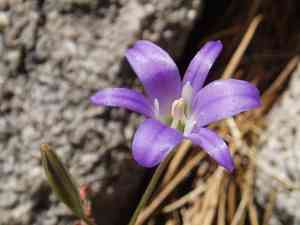
Harvest Brodiaea (Brodiaea elegans)
Also known as: Elegant Brodiaea, Hoover's Harvest Brodiaea
A likely candidate is the Harvest Brodiaea (Brodiaea elegans), a perennial herb indigenous to California and Oregon. It flourishes in woodlands and meadows, typically blooming in spring, often later than many other regional wildflowers.
In This Article
Attributes of Harvest Brodiaea
Lifespan
Perennial
Plant Type
Herb
Plant Height
10 cm to 51 cm
Spread
20 cm
Leaf Color
Green
Flower Size
1.9 cm to 2.5 cm
Flower Color
Purple Blue Violet
Images of Harvest Brodiaea
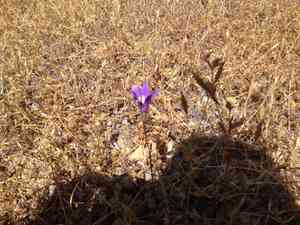
Quickly Identify Harvest Brodiaea
1
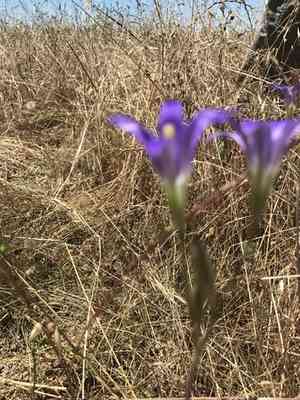
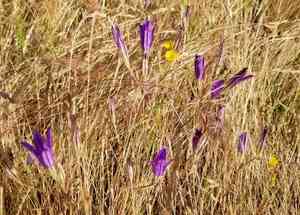
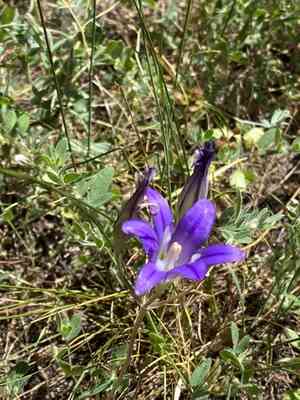
Brodiaea elegans can be identified by its narrow, grass-like leaves and its tall, slender flowering stems that produce clusters of trumpet-shaped flowers. The flowers are typically purple or blue with a distinct central white or yellowish area.
Scientific Classification of Harvest Brodiaea
Phylum
Vascular plants
Class
Monocotyledons
Order
Asparagales
Family
Asparagus
Genus
Cluster-lilies
Species
Harvest Brodiaea
Planting and Growing of Harvest Brodiaea
Care Difficulty
Easy
Watering Schedule
Every 2 days
Sunlight Requirements
Full sun
Sunshine Duration
6-8 hours
Ideal Temperature
65-75℉
Soil Type
Potting Mix, Peat Mix
Soil pH
6.5-7.5
Fertilizer Type
Balanced
Pruning Season
Spring, Summer
Pruning Area
Branches, Leaves
Pruning Frequency
2 times a year
Repotting Season
Spring
Pot Type
Plastic, Ceramic
 How to Water Harvest Brodiaea?
For Brodiaea elegans, the watering should be moderate. It needs about 250 milliliters per session to keep the soil lightly moist but not soggy. The soil should be allowed to dry out between waterings to mimic its native dry environments.
What are the symptoms of an underwatered Harvest Brodiaea?
›
What should I do if my Harvest Brodiaea is not getting enough water?
›
What are the symptoms of an overwatered Harvest Brodiaea?
›
How to save an overwatered Harvest Brodiaea?
›
 What Are the Sunlight Requirements for Harvest Brodiaea?
Brodiaea elegans thrives in full sun to partial sun, ideally enjoying 6 to 8 hours of light. This light range ensures optimal photosynthesis and energy production, promoting healthy blooms.
More About Sunlight Requirements Techniques→
Solution
›
Specific Measures
›
Achieved Effects
›
 What Is the Ideal Temperature Range for Harvest Brodiaea?
For the optimal growth of Brodiaea elegans, maintaining temperatures between 65°F and 75°F is ideal. This range supports healthy metabolic activities and encourages blooming. During their active growth periods, maintaining consistent temperatures within this range is crucial to avoiding growth abnormalities and ensuring vibrant floral displays. It provides the necessary warmth for nutrient absorption and enzyme activities while preventing heat stress.
 What Soil is Best for Harvest Brodiaea?
Brodiaea elegans thrives in nutrient-rich soil that supports robust growth and vibrant blooms. A nutrient-rich medium provides essential minerals and nutrients, promoting healthy foliage and resistance to disease, ensuring the plant reaches its full potential. To prevent root rot, Brodiaea elegans requires well-draining soil. This condition ensures that excess water exits quickly, maintaining optimal moisture levels. The plant benefits from adequate aeration around the roots, fostering strong root development and reducing the risk of fungal issues. The soil should retain moderate moisture, neither too dry nor waterlogged. This balance facilitates steady nutrient absorption and supports sustained growth. Consistent moisture levels help prolong blooming periods and maintain the plant's aesthetic appeal.
 How to Fertilize Harvest Brodiaea?
For Brodiaea elegans, use a balanced fertilizer with an N-P-K ratio of about 10-10-10. Apply liquid fertilizers at half the recommended strength to avoid over-fertilization, especially during the blooming phase.
 How to Prune Harvest Brodiaea?
Before you start, assess the plant to determine which parts need attention. Identify dead leaves and stems, which are easy to spot because they lack the vibrant green color of healthy growth. Understanding the plant's structure will guide your pruning. Always use clean, sharp pruning shears or scissors when cutting Brodiaea elegans. Dull tools can damage the plant by tearing rather than cutting cleanly, leading to longer recovery times for the plant. Start by removing any dead or diseased leaves and stems. This not only helps in keeping the plant healthy but also promotes better air circulation, which is crucial to prevent the spread of diseases. After removing the unhealthy parts, trim the plant to shape it. Cut back overgrown branches to maintain an attractive and balanced appearance. Be mindful to retain the natural form of the plant. To encourage blooming, identify and remove stems that have finished flowering. This will help redirect the plant's energy towards developing new blooms and promotes a more vibrant display in the growing season.
More About Pruning Techniques→
 How to Propagate Harvest Brodiaea plant?
1
Ensure the soil is well-draining and enriched with organic matter. Proper soil preparation helps ensure healthy root development and successful propagation.
2
Sow seeds about 1/4 inch deep in the prepared soil or seed tray. Water lightly to encourage germination, keeping the soil consistently moist but not waterlogged.
3
Carefully dig around the base of the plant to unearth the bulbs. Gently separate them and replant in a new location, ensuring they are at the appropriate depth.
 How to Repot Harvest Brodiaea plant?
1
Repot Brodiaea elegans when its roots start peeking out from the drainage holes or when the plant seems to outgrow its current container. Signs include slowed growth or water not draining effectively, signifying root-bound conditions. Ideally, repot during its dormancy in spring or autumn for minimal stress.
2
Select a pot with excellent drainage capabilities, slightly larger than the current one. This ensures ample room for growth while preventing water accumulation, crucial for avoiding root rot. A terracotta pot can be a good choice, as it allows oxygen exchange and moisture evaporation, keeping the plant healthy.
3
Use a well-draining sandy loam to mimic Brodiaea elegans' natural habitat. This soil supports proper water and air flow, preventing waterlogging. A mix with perlite or coarse sand ensures that the plant’s roots have the least chance of encountering fungal diseases.
Learn More About Harvest Brodiaea Diseases
Bacterial Leaf Spot
Bacterial Soft Rot
Bacterial Wilt
Chemical Injury
Crown Gall
Cyst Nematode
Damping-off
Downy Mildew
Drought Stress
Fusarium Wilt
Gray Mold
Leaf Spot
Mosaic
Nutrient Deficiency
Nutrient Toxicity
Powdery Mildew
Root Rot
Root-knot Nematode
Rusts
Sooty Mold
Spider Mites
Temperature Stress
Thrips Damage
White Mold



