How Much Sunlight Do Orange agoseris Need?
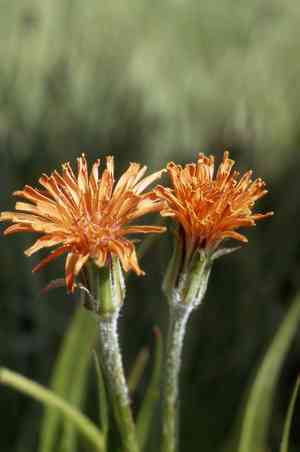
1
Orange agoseris flourishes optimally with ample sunlight, needing more than 6 hours of direct sun each day.
2
Although full sun is preferred, Orange agoseris can endure some shade, particularly in the later part of the day.
3
Assess your garden's light conditions and employ light meters to determine the best spot.
Optimal Solar Exposure for Orange Agoseris
Abundant Sunshine Requirement
For robust development, Orange agoseris thrives in full sun, meaning over six hours of direct solar exposure each day. This intense light aids the plant in efficient photosynthesis, leading to vibrant blossoms and healthy foliage. Ensure your Orange agoseris is situated where it can absorb ample sunlight throughout the day.
Partial Shade Adaptability
While Orange agoseris flourishes best in full sun, it can also endure conditions of partial shade. It tolerates some afternoon shade, particularly in regions experiencing extremely hot summers. However, excessive shade can hinder its flowering potential, so a balance between light and shade is vital.
Determining Appropriate Sunlight for Orange Agoseris
Evaluating Garden's Natural Illumination
A primary step to guarantee your Orange agoseris receives adequate sunlight is to assess the natural light conditions within your garden. Observe various spots throughout the day to identify areas with continuous light. Morning sun exposure is generally more advantageous, while afternoon shade can offer protection to plants in warm climates.
Utilizing Light Measurement Instruments
For enhanced accuracy, employ sunlight measuring tools such as a light meter or a solar tracker. These devices provide precise readings on the amount of light different sections of your yard receive daily. Smartphone applications can also effectively gauge sunlight levels, helping you select the best location for your Orange agoseris specimens.
Common Sunlight-Related Issues for Orange Agoseris
Indicators of Excessive Sun
Too much sun can cause stress to your Orange agoseris. Symptoms include scorched leaf tips, curled leaves, and faded flower hues. Often, you can rectify sunburn by moving your plant to an area offering some afternoon shade or by using a garden umbrella to diffuse the strong midday sun.
Signs of Insufficient Sunlight
If your Orange agoseris isn't getting enough light, it might display slow growth, smaller leaves, and fewer or no flowers. Weak, elongated stems are also typical indicators of light deprivation. To fix this, relocate your plant to a brighter spot and ensure it receives at least six hours of direct sunlight daily.
Maximizing Sunlight for Orange Agoseris Development
Prime Planting Locations
Ideal planting spots for Orange agoseris are those that receive abundant morning sun. Position your plant on the southern or southeastern side of your property where it can absorb early daylight. Confirm there are no obstructions like tall trees or structures that might cast prolonged shadows.
Seasonal Light Adjustments
Seasonal shifts impact sunlight availability. During summer, ensure your Orange agoseris isn't damaged by excessive heat by providing partial shade during peak afternoon hours. In winter, when light levels decrease, consider temporary repositioning to a place where the plant can get more sun, or use reflective surfaces to amplify available natural light.
Frequently Asked Questions Regarding Orange Agoseris Sunlight Needs
Can Orange Agoseris thrive in dim light?
Orange agoseris cannot flourish in dim light. This plant necessitates a minimum of six hours of direct sunlight daily. In low-light conditions, Orange agoseris may exhibit poor flowering and stunted growth, making adequate light exposure vital for its well-being.
How does placement affect light requirements?
Placement significantly influences the sunlight needs of Orange agoseris. A southern exposure in the Northern Hemisphere guarantees consistent morning sunlight, while shaded northern areas can deprive it of necessary light. Urban environments might also cast more shadows compared to open suburban gardens, so always consider geographical and structural elements when planting.



