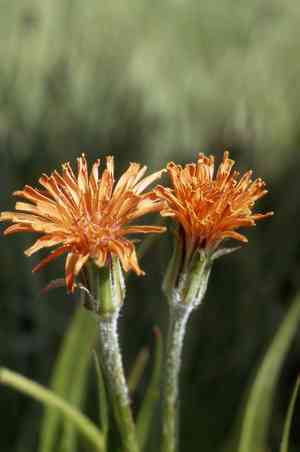
Orange agoseris (Agoseris aurantiaca)
Also known as: Orange mountain-dandelion
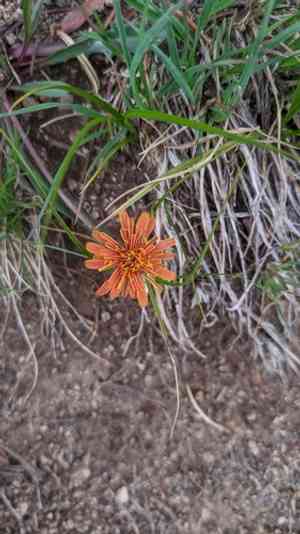
Orange agoseris, also called mountain dandelion, shares a unique trait with common dandelions: both plants produce a milky sap. While typically showcasing orange blooms, orange agoseris can occasionally have flowers in pink, yellow, purple, or white.
In This Article
Attributes of Orange agoseris
Lifespan
Perennial
Plant Type
Herb, Shrub
Plant Height
61 cm
Spread
20 cm to 30 cm
Leaf Color
Green
Flower Size
2.5 cm to 5 cm
Flower Color
Orange White Yellow Pink
Images of Orange agoseris
Quickly Identify Orange agoseris
1
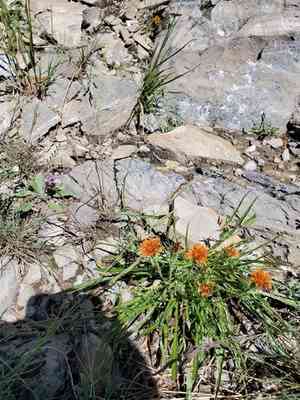
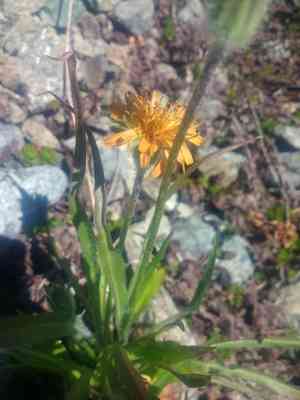
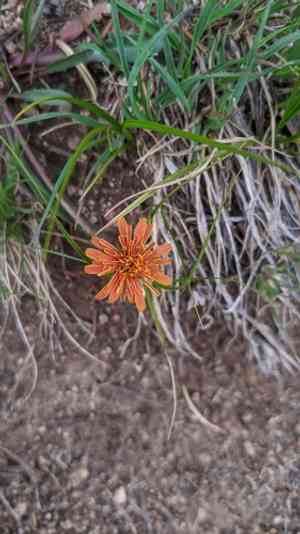
Identifiable by its bright orange, dandelion-like flower heads, and its basal rosette of lance-shaped leaves. The flower stems are typically leafless and can produce milky sap when broken.
Scientific Classification of Orange agoseris
Phylum
Vascular plants
Class
Dicotyledons
Order
Asterales
Family
Daisy
Genus
Mountain dandelions
Species
Orange agoseris
Planting and Growing of Orange agoseris
Care Difficulty
Easy
Watering Schedule
Every 2 days
Sunlight Requirements
Full sun
Sunshine Duration
6-12 hours
Ideal Temperature
50-77℉
Soil Type
Potting Mix, Peat Mix
Soil pH
5.5-7.5
Fertilizer Type
Balanced
Pruning Season
Spring, Summer
Pruning Area
Branches, Leaves
Pruning Frequency
2 times a year
Repotting Season
Spring
Pot Type
Plastic, Ceramic
 How to Water Orange agoseris?
The watering amount for Agoseris aurantiaca should be around 200 ml per session. This plant prefers evenly moist soil but not waterlogged. You should water until the soil is damp but not soaking; a good rule of thumb is to water until it starts to drain from the bottom of the pot. Ensure to check the soil moisture with your fingers beforehand to avoid overwatering.
What are the symptoms of an underwatered Orange agoseris?
›
What should I do if my Orange agoseris is not getting enough water?
›
What are the symptoms of an overwatered Orange agoseris?
›
How to save an overwatered Orange agoseris?
›
 What Are the Sunlight Requirements for Orange agoseris?
Agoseris aurantiaca performs well under full sun to partial sun conditions. Ideal light exposure promotes blooming, strong foliage, and overall plant health, providing the energy needed for photosynthesis and nutrient absorption.
More About Sunlight Requirements Techniques→
What is the best lighting condition for Agoseris aurantiaca?
›
How can I ensure my Agoseris aurantiaca receives the right amount of light?
›
What benefits does Agoseris aurantiaca gain from ideal lighting?
›
 What Is the Ideal Temperature Range for Orange agoseris?
Agoseris aurantiaca thrives best in temperatures ranging from 50 to 77°F. This range ensures that the plant can photosynthesize effectively while maintaining moisture balance, leading to optimal growth and blooming conditions.
 What Soil is Best for Orange agoseris?
Agoseris aurantiaca thrives in well-drained soils. This helps prevent root rot by ensuring excess water doesn't accumulate around the roots, promoting a healthy plant growth environment. This plant benefits from nutrient-rich substrates. Such soils provide essential minerals and nutrients that support vigorous growth and enhance the plant's ability to produce vibrant flowers. Agoseris aurantiaca prefers soils with moderate fertility. Excessive nutrients can lead to overgrowth at the expense of flowering, while moderate levels balance foliage and blooms beautifully.
 How to Fertilize Orange agoseris?
Agoseris aurantiaca, commonly known as the orange-flowered false dandelion, should be fertilized with a balanced 10-10-10 liquid fertilizer. Use approximately 1/2 teaspoon per gallon of water, applied to the soil around the base. For solid fertilizers, a slow-release type should be used at a rate of about 1 tablespoon per plant.
 How to Prune Orange agoseris?
Before you prune Agoseris aurantiaca, familiarize yourself with its structural growth. Observe where new shoots emerge and how its leaves and flowers are distributed on the plant. Use sharp shears to make clean cuts on dead or damaged stems. Trim back overgrown shoots carefully to maintain a balanced shape and encourage new growth. To boost flowering, cut back some of the stems after the initial bloom. This can promote additional blooms throughout the flowering season, keeping the plant vibrant and colorful.
More About Pruning Techniques→
 How to Propagate Orange agoseris plant?
1
Fill the seed tray with potting mix and lightly water it. Sow Agoseris aurantiaca seeds on the surface and cover them with a thin layer of soil. This ensures good contact between the seeds and the soil, enhancing germination.
2
Keep the soil consistently moist but not waterlogged. Use a spray bottle for gentle watering to avoid washing away seeds. This method provides the seeds with the moisture they require to germinate without disturbing their placement.
3
Place the seed tray in a warm, sunny location and monitor regularly for signs of germination. Maintain a temperature around 18-22°C for optimal germination. Check daily to ensure the soil remains moist, adjusting conditions as needed.
 How to Repot Orange agoseris plant?
1
Repot Agoseris aurantiaca when it shows signs of overcrowding or stunted growth. Notice if roots are protruding from drainage holes or if the plant's growth has significantly slowed, indicating it's time to refresh its living space for optimal health.
2
Select a pot slightly larger than the current one to give room for growth. The pot should have adequate drainage holes to prevent waterlogging, as this allows for proper aeration and root development, essential for a healthy Agoseris aurantiaca.
3
Use well-draining sandy soil to mimic its natural habitat. This type of soil prevents water retention, reducing the risk of root rot and fostering a healthier root environment for Agoseris aurantiaca.
Learn More About Orange agoseris Diseases
Anthracnose
Bacterial Leaf Spot
Bacterial Wilt
Chemical Injury
Damping-off
Downy Mildew
Drought Stress
Fusarium Wilt
Gray Mold
Leaf Curl
Leaf Spot
Mosaic
Nutrient Deficiency
Nutrient Toxicity
Powdery Mildew
Root Rot
Root-knot Nematode
Rusts
Sooty Mold
Spider Mites
Temperature Stress
Thrips Damage
White Mold



