Optimal Soil for Growing Philippine ground orchid: What You Need to Know
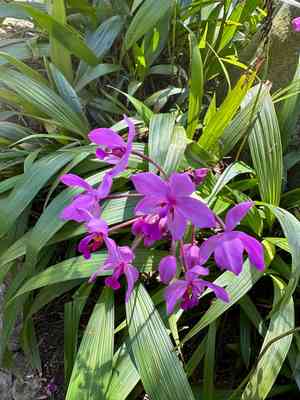
1
Utilize potting substrates that drain effectively to avoid root decay.
2
Consistently enrich the soil with organic materials to sustain its nutrient content.
3
Sustain a soil acidity level between 6.5 and 8 for peak development.
Optimal Soil Type for Philippine Ground Orchid
Organic Matter: Crucial for Robust Development
For cultivating Philippine ground orchids, abundant organic matter is vital for delivering essential nutrients. Organic materials such as compost, decayed foliage, and aged manure contribute to a loose, fertile soil that supports strong root growth. These organic additions not only boost nutrient availability but also enhance soil structure and its capacity to hold moisture.
Drainage Capabilities: Ensuring Proper Water Movement
Effective drainage is paramount for Philippine ground orchids to prevent water accumulation around roots, which can lead to rot. To guarantee good drainage, the soil should be well-aerated and permeable. Integrating materials like perlite, coarse sand, or fine gravel into your soil blend can assist in improving drainage. Always confirm your pots have drainage openings if cultivating this orchid in containers.
Soil Composition: What to Include and Exclude
For Philippine ground orchids, a balanced soil makeup is essential. A recommended mixture would comprise equal parts of potting soil, perlite or pumice, and organic compost. Steer clear of heavy clay soils or any soil that retains excessive moisture, as these can suffocate roots and hinder development.
Amending Soil for Philippine Ground Orchid
Utilizing Compost: Advantages and Application Advice
Compost serves as an excellent soil amendment, enriching it with nutrients and refining its texture. When applying compost, spread a 2 to 3-inch (5 to 7.6 cm) layer on the soil surface and incorporate it to a depth of approximately 6 inches (15.2 cm). This will enrich the soil and foster healthy growth for your Philippine ground orchid.
Incorporating Perlite and Vermiculite: Boosting Soil Aeration
Perlite and vermiculite are superb for enhancing soil aeration and drainage. Blend about 20-30% perlite or vermiculite into the soil to prevent compaction. This aids in superior root oxygenation and averts waterlogging.
Adjusting Soil pH: Maintaining Neutral to Slightly Acidic Levels
Philippine ground orchids flourish in soil with a pH range of 6.5 to 8. Test your soil's pH and, if necessary, add lime to elevate the pH or sulfur to reduce it. Regular monitoring and adjustment of pH can ensure your orchids absorb nutrients efficiently.
Maintaining Soil Health for Philippine Ground Orchid
Regular Soil Testing: Importance and Methods
Consistent soil testing is vital to ensure your Philippine ground orchid grows in optimal soil conditions. Testing can evaluate nutrient levels, pH, and soil composition. Use a home testing kit or submit samples to a laboratory for a more detailed analysis. This helps in making informed decisions regarding soil amendments and fertilization.
Mulching: How It Helps Preserve Moisture and Nutrients
Mulching around your Philippine ground orchid aids in retaining soil moisture, regulating temperature, and providing additional nutrients as it breaks down. Organic mulches like shredded bark, straw, or leaf litter are excellent choices. Apply a 2-3 inch (5-7.6 cm) layer around the base of your plants, being careful not to cover the stem.
Avoiding Soil Compaction: Prevention Strategies
Soil compaction can impede root growth and water penetration. To prevent this, avoid walking on or pressing down the soil around your Philippine ground orchid. Regularly aerate the soil by gently loosening it with a garden fork. Also, consistently incorporating organic matter can help maintain a loose soil structure.
Common Soil Issues and Solutions for Philippine Ground Orchid
Poor Drainage: Identifying and Correcting the Problem
Inadequate drainage can be detrimental to Philippine ground orchids. Symptoms include yellowing leaves and wilting. To rectify this, amend the soil with sand, perlite, or coarse gravel. If the issue persists, consider repotting the orchid in a better-draining mix and ensuring that containers have ample drainage holes.
Nutrient Deficiencies: Symptoms and Corrective Actions
Nutrient deficiencies manifest as discolored leaves, stunted growth, or poor flowering. Address deficiencies by testing the soil and applying suitable fertilizers. A balanced, slow-release fertilizer can provide a steady supply of nutrients. Regularly adding compost can also help sustain nutrient levels.
Pests and Diseases in Soil: Prevention and Treatment
Soil pests and diseases can hinder the growth of your Philippine ground orchid. Practices such as rotating plants, using sterile potting mixes, and applying beneficial nematodes can help prevent infestations. If you observe any signs of pests or disease, treat the soil with organic or chemical treatments as needed, following label instructions carefully.



