Optimal Soil for Growing Treacle Mustard: What You Need to Know
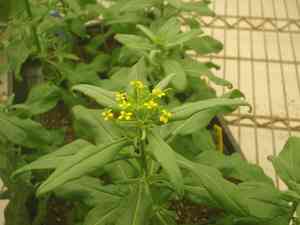
1
Treacle Mustard flourishes in moderately alkaline soil, with a pH between 6.5 and 8.
2
Adequate drainage is vital to avoid root decay in Treacle Mustard.
3
Frequent soil analysis assists in tracking nutrient content and sustaining ideal soil health.
What kind of soil does Treacle Mustard prefer?
Soil Makeup
The secret to growing robust Treacle Mustard lies in understanding its preferred soil composition. This biennial plant flourishes in well-drained, loamy soil abundant in organic matter. The loamy texture ensures roots easily access nutrients and water without becoming waterlogged.
Drainage Requirements
Treacle Mustard is highly susceptible to overly wet conditions, which can cause root rot and other moisture-related problems. Therefore, it's vital to plant it in soil that provides excellent drainage. Sandy loam soils are perfect as they offer necessary aeration while allowing excess water to drain away efficiently.
Soil pH Level
Treacle Mustard performs best in slightly alkaline to neutral soil pH, specifically between 6.5 and 8. This range enables the plant to absorb essential nutrients from the soil effectively. If your soil pH is outside this range, consider amending it appropriately to encourage healthy plant development.
How to prepare the soil for Treacle Mustard?
Assessing Soil Texture
Before planting Treacle Mustard, it's crucial to assess the soil texture. The texture should be neither excessively sandy nor overly clay-heavy. A simple way to test this is the soil ribbon test: moisten a small amount of soil and attempt to roll it into a ribbon between your fingers. Ideal soil will form a crumbly, loose ribbon that breaks apart easily.
Improving the Soil
If your soil isn't naturally ideal for Treacle Mustard, don't fret! You can enhance it. For sandy soils, add organic material like compost or aged manure to boost moisture retention. For clay-heavy soils, incorporate sand and organic matter to improve drainage. Consistent addition of compost will not only enhance structure but also increase nutrient levels.
Testing and Adjusting Soil pH
Given the importance of soil pH, testing your soil before planting is always a good practice. Use a home testing kit or send a sample to a local extension office. If your soil is too acidic, add lime to increase the pH. If it's too alkaline, sulfur or organic mulches like pine needles can help lower it. Adjust gradually, re-testing the soil periodically.
How to maintain soil health for thriving Treacle Mustard?
Regular Soil Analysis
Regularly analyzing your soil is crucial for maintaining optimal growing conditions. This can help you gauge nutrient levels and pH balance, allowing for adjustments as needed to ensure the health and productivity of your Treacle Mustard.
Organic Mulching Practices
Mulching is a beneficial technique that helps retain soil moisture, suppress weeds, and enhance soil quality over time. Organic mulches like straw, compost, and leaf mold decompose gradually, returning essential nutrients to the soil.
Compost Application
Adding compost is one of the best ways to enrich your soil organically. Compost improves soil structure, moisture retention, and nutrient content. Aim to mix a generous layer of compost into the top 15-20 centimeters (6-8 inches) of soil at least once a year.
Preventing Soil Compaction
Soil compaction restricts root growth and water infiltration, negatively impacting plant health. To prevent compaction, avoid walking on garden beds and use mulch to protect soil structure. Additionally, aerate the soil if compaction becomes an issue.
Common soil issues and remedies for Treacle Mustard
Excessively Sandy Soil
Sandy soil drains rapidly and may not retain enough moisture for Treacle Mustard. To counter this, incorporate organic matter such as compost or well-rotted manure, which will improve moisture retention and nutrient availability.
Clay-rich Ground
Clay-rich soils can hold too much water, leading to poor drainage and root rot. Adding sand and organic matter can improve texture and drainage. Raised beds are another effective solution for managing water levels in clay-heavy soils.
Nutrient Deficiencies
If your Treacle Mustard shows stunted growth or yellowing leaves, it might be suffering from nutrient deficiencies. Conduct a soil test to identify missing nutrients and amend the soil with specific fertilizers or compost to restore balance.
Soil-borne Illnesses
Soil-borne diseases can pose a challenge for Treacle Mustard. Rotate crops annually to prevent the accumulation of pathogens. Incorporating disease-resistant varieties and ensuring good sanitation practices, such as removing plant debris, can help mitigate these problems.
FAQs regarding Treacle Mustard soil needs
Can Treacle Mustard thrive in potting mix?
Treacle Mustard can indeed be grown in potting mix, provided the blend is well-draining and rich in organic material. A standard potting mix with added perlite or sand for drainage, along with compost, can provide the ideal growing medium.
Is fertilization necessary for Treacle Mustard?
Fertilizer isn't always required if your soil is rich in organic matter. However, if soil tests indicate a deficiency or if plants appear to be underperforming, a balanced, slow-release fertilizer can be beneficial.
How often should soil be refreshed?
For annual cultivation, replacing soil isn't typically necessary. However, for container-grown Treacle Mustard or if soil health significantly declines, replacing soil every few years or annually amending with fresh compost can be beneficial.
What to do if the soil pH is unsuitable?
If your soil pH isn't within the ideal range of 6.5 to 8, adjustments can be made. To increase pH, add lime in recommended amounts. To decrease pH, incorporate sulfur or organic materials such as pine needles or peat moss. Regular monitoring is key to achieving and maintaining the desired pH.



