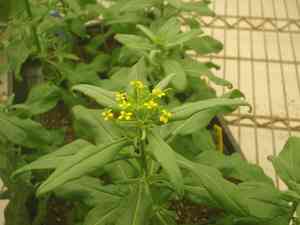
Treacle Mustard (Erysimum cheiranthoides)
Also known as: Treacle Wallflower, Treacle hedge-mustard
Treacle Mustard (Erysimum cheiranthoides), originally from Europe, is now found in many parts of the world and is often regarded as a troublesome weed. It poses several issues for agriculture and livestock:
1. **Crop Yield Reduction**: This plant competes with crops for essential resources like nutrients, water, and sunlight, leading to decreased yields.
2. **Livestock Toxicity**: Treacle Mustard contains compounds that can be harmful to livestock if ingested in significant amounts, causing potential health problems.
3. **Weed Control Expenses**: Managing this invasive weed can be costly, requiring additional resources for effective control measures.
4. **Seed Contamination**: The presence of its seeds can spoil grain crops, as they impart a bitter taste, thereby lowering the quality and marketability of the produce.
In summary, Treacle Mustard is a significant concern for both crop production and livestock health, necessitating diligent management strategies.
Attributes of Treacle Mustard
Images of Treacle Mustard
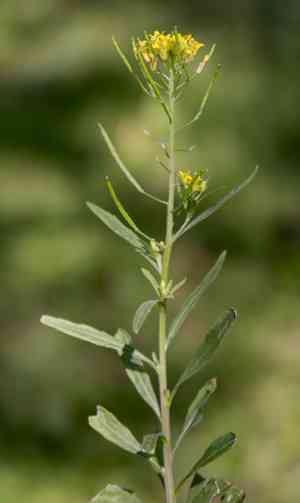
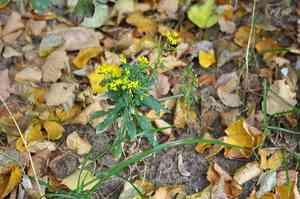
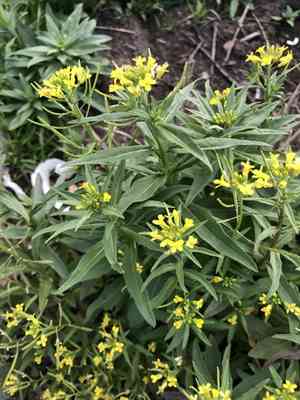
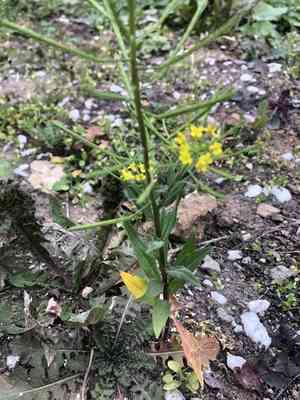
Quickly Identify Treacle Mustard
Scientific Classification of Treacle Mustard
Planting and Growing of Treacle Mustard
 How to Water Treacle Mustard?
 What Are the Sunlight Requirements for Treacle Mustard?
 What Is the Ideal Temperature Range for Treacle Mustard?
 What Soil is Best for Treacle Mustard?
 How to Fertilize Treacle Mustard?
 How to Prune Treacle Mustard?
 How to Propagate Treacle Mustard plant?
 How to Repot Treacle Mustard plant?
Toxicity
Ingestion, Contact



