Boost Growth: How and When to Repot Your Chandelier plant Plant
1
Transplanting your Chandelier plant during spring or winter provides ideal circumstances for its development.
2
An appropriate soil blend that drains effectively is vital for your Chandelier plant's well-being.
3
Select a container that is incrementally larger than the one your Chandelier plant currently occupies.
Why Replant Your Chandelier Plant?
Understanding the growth pattern of Chandelier plants
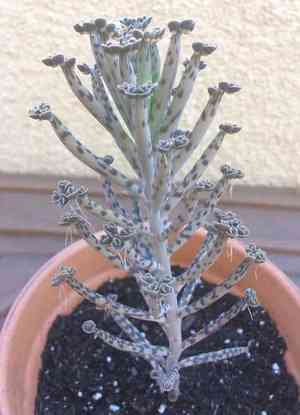
The Chandelier plant, known for its distinctive, chandelier-like appearance, is a succulent species that grows quickly under optimal conditions. These plants tend to expand both vertically and horizontally, needing more room as they mature. Without replanting, roots can become constricted, leading to stunted development and poor vitality. Recognizing these natural growth habits helps plant enthusiasts provide the best possible care for their Chandelier plant.
Benefits of replanting: Healthier growth and more vibrant foliage
Periodically replanting your Chandelier plant can significantly boost its growth and overall well-being. When moved to a larger container with fresh substrate, the plant gains access to more nutrients, fostering robust growth and richer foliage. New soil also improves aeration and drainage, vital for preventing root rot. Additionally, replanting can help manage pest and disease issues by removing old, contaminated soil.
Optimal frequency of replanting Chandelier plants
A general guideline for replanting Chandelier plants is every 2 to 3 years. However, factors like the plant's growth rate and general health can influence this timeframe. If you observe your plant becoming root-bound or its growth stagnating, it's time to consider replanting. Ensuring your plant has ample space to grow and thrive is crucial for maintaining its health and aesthetic appeal.
When Is the Best Time to Replant Chandelier plants?
Ideal seasons for replanting and why
The best times to replant your Chandelier plant are during the spring and winter months. Spring offers a period of active growth, allowing the plant to quickly establish itself in the new container. Replanting during winter, conversely, ensures the plant is settled and can begin spring with a fresh start. Both seasons provide optimal conditions for minimizing transplant shock and promoting healthy adaptation.
Signs that indicate your Chandelier plant needs replanting
Several indicators can signal that your Chandelier plant is ready for a new pot. Look for roots emerging through drainage holes or visibly circling the soil surface, suggesting the plant has become root-bound. Other signs include slower development, yellowing leaves, and the plant outgrowing its current container. If the soil dries out faster than usual, it may also indicate the plant requires more space.
Choosing the Right Container and Soil for Your Chandelier plant
What to look for in a new pot? Size, material, and drainage
Selecting the appropriate container for your Chandelier plant involves considering several factors. The new pot should be one size larger than the current one to allow for growth. Materials like terracotta or ceramic are excellent choices as they permit the soil to dry out between waterings, which is ideal for succulents. Ensure the pot has sufficient drainage holes to prevent water accumulation at the bottom, which can lead to root rot.
Selecting the best soil mix for Chandelier plants
A well-draining soil mix is essential for the health of your Chandelier plant. Consider a commercial succulent or cactus potting mix, which is formulated to provide excellent drainage. You can also create your own blend by combining potting soil with sand or perlite. This combination ensures that excess water can quickly drain away, reducing the risk of root rot and allowing the plant to flourish.
Step-by-Step Guide to Replanting Your Chandelier plant
Preparing your workspace and organizing tools
Before you begin replanting, prepare a clean area where you can comfortably manage your plant and soil. Gather necessary tools such as a trowel, gloves, a new pot, and fresh soil. Ensuring everything is within reach makes the process smoother and more efficient.
Removing the plant carefully from its current pot
Gently extract the Chandelier plant from its current container. You can do this by tilting the pot and lightly tapping the bottom if the plant doesnât slide out easily. Be careful during this step to avoid damaging the delicate roots.
Examining the roots and trimming if necessary
Once the plant is out of the pot, inspect the roots. Healthy roots should appear white or light brown. Trim away any dead or decaying roots using sterilized scissors. This step prevents future health issues and encourages the growth of new roots.
Placing the Chandelier plant in the new pot and adding soil
Place a layer of soil at the bottom of the new pot and position your Chandelier plant in the center. Add soil around the roots, gently pressing it down to eliminate air pockets. Ensure the plant is upright and stable while adding soil.
Final touches: Watering and post-replanting care
After replanting, water the plant lightly to help settle the soil. Ensure the pot drains well to prevent waterlogging. Place your Chandelier plant in a location with indirect sunlight. Monitor its health over the next few weeks, adjusting care routines as needed to support its recovery and new growth.



