How to Prune Plains yucca?
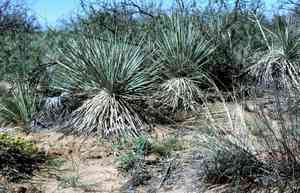
Yucca glauca, indigenous to dry environments, is distinguished by its blade-like leaves and elevated floral stalks. Trimming is best performed in early spring, removing withered or compromised leaves to preserve its vitality and aesthetic. Eliminate faded flower stems to stimulate fresh development and deter the plant from allocating resources to seed formation. Consistent trimming improves air movement and diminishes the likelihood of illness. Always employ sharp, sanitized implements to execute clean cuts for superior plant maintenance.
What Are the Benefits of Pruning Plains Yucca?
What Are the Benefits of Pruning Plains Yucca?
Plains yucca thrives with pruning, promoting vigorous growth and an attractive form. Regular trimming eliminates dead or damaged foliage, allowing the plant to direct energy towards healthy development. Maintaining plains yucca's shape also boosts its resistance to pests and diseases.
What Is the Best Time for Pruning Plains Yucca?
What Is the Best Time for Pruning Plains Yucca?
Pruning plains yucca in early spring is considered ideal as it aligns with the plant's natural growth cycle. Early spring precedes the active growing season, enabling plains yucca to quickly recover from any cuts or trimming. Furthermore, pruning before new growth emerges helps prevent the removal of flower buds, ensuring successful blooming. This timing also minimizes plant stress, as plains yucca is still dormant or semi-dormant, making it more resilient to pruning.
What Tools Do I Need to Prune Plains Yucca?
Hand Pruners
Perfect for snipping off dried or damaged leaves and small stems. They offer precise cuts essential for plains yucca maintenance.
Lopping Shears
Useful for cutting thicker stalks and larger branches that hand pruners might struggle with effectively.
Pruning Saw
Crucial for cutting through the woody base of plains yucca if significant sections require removal, ensuring clean cuts to prevent harm.
Gloves
Protective gloves are vital when pruning plains yucca due to its sharp, pointed leaves. They prevent injuries during the process.
How to Prune Plains Yucca
Inspect
Thoroughly examine plains yucca to identify any diseased, withered, or dead branches or leaves that require trimming. Look for discoloration, spots, or physical damage.
Gather tools
Collect appropriate pruning tools, such as sharp bypass pruners or garden shears. Ensure tools are clean and sterilized to prevent disease spread.
Remove diseased leaves
Carefully trim off any diseased leaves at their base where they connect to the main stem. Dispose of these leaves properly to avoid contamination.
Cut withered leaves
Prune withered or dead leaves close to their base, but avoid cutting into healthy tissue. This helps prevent shock to the plant and encourages new growth.
Trim dead diseased branches
Cut back any dead or diseased branches to healthy wood or to their point of origin. Make clean cuts at a slight angle to facilitate proper healing. Dispose of these branches immediately to prevent disease spread.
Common Pruning Mistakes with Plains Yucca
Incorrect technique
A common error is not using clean, sharp tools, which can result in jagged cuts that may attract disease and pests.
Poor timing
Pruning during periods of plant stress, such as extreme heat or drought, can lead to further stress and potential damage.
Over-pruning
Removing too many leaves or stems at once can shock plains yucca, hindering growth and flowering.
Cutting at improper angles
Making cuts too close to the main stem or at the wrong angle can harm the plant's structure and reduce its ability to heal properly.
Common Pruning Tips for Plains Yucca
Use clean tools
Always use clean and sharp pruning shears to make precise cuts. This helps prevent disease transmission and allows the plant to heal quickly.
Prune dead leaves
Regularly remove dead or damaged leaves, as this helps direct the plant's energy towards new growth and flowering.
Limit pruning
Limit pruning to no more than one-third of the plant at a time to avoid stressing plains yucca.
Cut at right angles
Make cuts at a slight angle, away from the main stem, to facilitate better healing and reduce water retention on the cut surface.



