How to Prune Nootka Cypress?
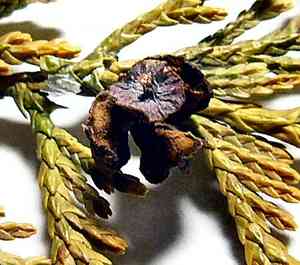
Originating from North America, the nootka Cypress is recognized for its conical shape and drooping limbs. Trim to eliminate deceased or ailing wood, reducing density for improved air circulation and light access. The ideal period for trimming is winter, while the plant is inactive, to prevent sap leakage. Pruning preserves the plant's framework, vitality, and can revitalize mature plants. Always employ sanitized, sharp implements and refrain from cutting into aged wood where fresh development is scarce.
What Are the Benefits of Pruning Nootka Cypress?
What Are the Benefits of Pruning Nootka Cypress?
Trimming nootka Cypress promotes robust development and helps preserve its intended form. Regular cutting eliminates overgrown limbs, preventing congestion and enhancing air circulation, thereby lowering disease susceptibility.
What Is the Best Time for Pruning Nootka Cypress?
What Is the Best Time for Pruning Nootka Cypress?
Winter pruning benefits nootka Cypress because its dormant state minimizes tree stress and reduces disease transmission risk. The absence of leaves improves visibility of the plant's structure, aiding more precise cuts. Additionally, in spring, the tree's energy goes to new growth, so winter pruning allows healing and resource allocation to desired branch and form development.
What Tools Do I Need to Prune Nootka Cypress?
Hand Pruners
Perfect for making clean cuts on small to medium-sized nootka Cypress branches, ensuring quick recovery and minimal plant harm.
Loppers
Effective for reaching into the dense growth of nootka Cypress and cutting thicker branches that hand pruners cannot manage.
Pruning Saw
Essential for removing larger branches from mature nootka Cypress specimens, providing the necessary strength and blade size for heavier cuts.
Hedge Shears
Useful for shaping nootka Cypress when creating hedges or for routine maintenance trimming of foliage and small branches.
Pole Pruner
Ideal for accessing higher nootka Cypress branches without needing a ladder, enhancing safety and reach during the pruning process.
How to Prune Nootka Cypress
Step1: Assessment and Identification
Evaluate nootka Cypress before any pruning, ideally in late winter or early spring, as the plant is dormant and its structure is most visible. Identify parts to trim: dead branches, diseased sections, and wilted twigs.
Step2: Tool Preparation and Sterilization
Prepare clean, sharp pruning tools for precise cuts. Sterilize tools with a 1:9 bleach-to-water solution to prevent disease spread.
Step3: Dead Branch Removal
Begin with dead branches. Locate the base where it connects to a main branch or trunk. Make a sharp, clean cut just outside the branch collar (the swelling where the branch meets the trunk) to encourage proper healing without damaging the branch collar.
Step4: Diseased Portion Excision
Identify and remove any diseased parts. Cut well below the affected area to ensure all infected tissue is gone. Seal larger wounds with tree wound dressing to prevent infection.
Step5: Wilted Twig Pruning
Prune wilted twigs, making 45-degree angle cuts about 1/4 inch above a healthy bud or branchlet. This angle promotes water runoff and discourages disease.
Step6: Thinning for Air and Light
Thin the interior of nootka Cypress to improve air circulation and light penetration. Remove a few inner branches completely to their origin, being careful not to over-thin, as this can stimulate excessive, weak growth.
Step7: Shaping and Symmetry
After pruning dead, diseased, and wilted parts, step back to assess the shape of nootka Cypress. Trim any outlying branches to maintain a natural, symmetrical form. Prune sparingly, respecting nootka Cypress's natural shape.
Step8: Debris Disposal
Promptly dispose of all pruning debris to prevent disease and pest spread. Never compost diseased material.
Step9: Post-Pruning Irrigation
Water nootka Cypress immediately after pruning to help reduce plant stress and give it a good start to healing the pruned areas.
Step10: Monitoring and Care
Monitor nootka Cypress for signs of disease or pest issues after pruning and apply appropriate horticultural practices to manage any problems. Continue to properly care for nootka Cypress with regular watering, mulching, and fertilization as needed.
Post-Pruning Care for Nootka Cypress
Post-Pruning Care for Nootka Cypress
Immediately after pruning nootka Cypress, ensure it remains in a moist environment to prevent stress, avoiding overly wet conditions which can foster disease. Provide nootka Cypress with partial to full light exposure, mindful of harsh sunlight that may burn newly exposed areas. Post-pruning, a balanced fertilizer can promote healing and growth, but avoid over-fertilization. Regularly inspect nootka Cypress for pest infestation and signs of disease, such as discolored foliage or oozing sap. If signs of distress are observed, promptly apply appropriate treatments while considering nootka Cypress's overall health and vigor.
Common Pruning Mistakes with Nootka Cypress
Avoid Over-pruning to Prevent Stress and Disease
Excessive pruning, which can stress nootka Cypress and potentially lead to disease and dieback.
Do Not Prune into Old, Needleless Wood
Cutting into old wood lacking green needles, as nootka Cypress will not regrow from it, potentially leaving unsightly gaps.
Use Sharp, Clean Tools to Prevent Damage
Using dull or dirty tools can harm nootka Cypress branches and introduce disease.
Make Clean Cuts, Avoid Tearing Branches
Tearing or ripping branches instead of making clean cuts, which can negatively impact nootka Cypress's overall health.
Sterilize Tools Between Cuts and Plants
Neglecting to sterilize pruning tools between cuts and especially when moving between different plants.
Respect Natural Shape During Pruning
Disregarding the natural shape of nootka Cypress and forcing it into an unnatural form, which can hinder its natural growth patterns.
Common Pruning Tips for Nootka Cypress
Use Sharp, Clean Tools for Precise Cuts
Always use sharp, clean tools to make precise cuts on nootka Cypress, which helps the plant heal faster and reduces disease risk.
Prune Towards Desired New Growth Direction
Cut back to a lateral branch or bud that faces the direction you want new growth to follow, promoting a more controlled shape for nootka Cypress.
Prioritize Removing Damaged or Dead Branches
First remove any damaged, diseased, or dead branches to maintain the health and appearance of nootka Cypress.
Maintain Natural Pyramidal Shape when Pruning
Prune to maintain the natural pyramidal shape of nootka Cypress, lightly shaping the sides without cutting into old wood.
Thin Out Instead of Topping Off
Thin out rather than topping off to reduce size, which helps maintain nootka Cypress's natural form and encourages new growth.
Fertilize After Pruning for Recovery and Growth
After pruning, apply a balanced, slow-release fertilizer to aid nootka Cypress's recovery and boost new growth.
Sterilize Tools to Prevent Disease Spread
Sterilize pruning tools before and after use on nootka Cypress to prevent disease spread.



