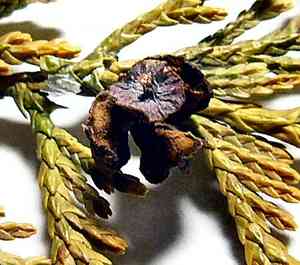
Nootka Cypress (Xanthocyparis nootkatensis)
Also known as: Alaska Cypress, Yellow Cedar, Alaska Yellow Cedar
The Nootka Cypress (Xanthocyparis nootkatensis), an evergreen conifer, typically reaches heights of 40 to 90 feet (12 to 27 meters). It thrives in cool, moist environments and prefers full sun or partial shade. This long-lived tree, often found near streams and in ravines along the Pacific Coast, favors well-drained, acidic to neutral soil. It does not produce flowers and generally remains free from major pest and disease problems.
In This Article
Attributes of Nootka Cypress
Lifespan
Perennial
Plant Type
Tree
Plant Height
22 m to 30 m
Spread
4.5 m to 6 m
Leaf Color
Green
Flower Size
2.5 cm
Flower Color
Yellow
Images of Nootka Cypress
Quickly Identify Nootka Cypress
1
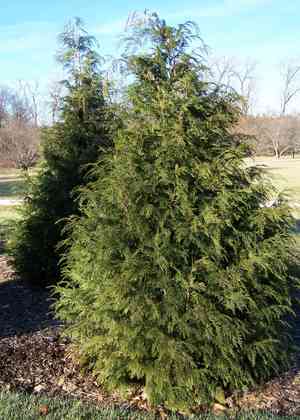
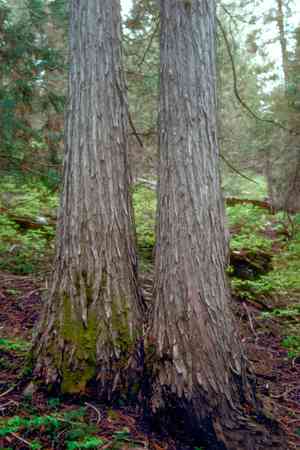
Characterized by its drooping branches and narrow, conical crown. Its leaves are scale-like and dark green. The bark is grayish-brown and fibrous.
Scientific Classification of Nootka Cypress
Phylum
Vascular plants
Class
Conifers
Order
Pinales
Family
Cypress
Genus
Xanthocyparis
Species
Nootka Cypress
Planting and Growing of Nootka Cypress
Care Difficulty
Moderate
Watering Schedule
Every 3 days
Sunlight Requirements
Partial sun
Sunshine Duration
6-10 hours
Ideal Temperature
50-65℉
Soil Type
Potting Mix, Peat Mix
Soil pH
6.5-7.5
Fertilizer Type
Balanced
Pruning Season
Spring, Summer
Pruning Area
Branches, Leaves
Pruning Frequency
2 times a year
Repotting Season
Spring
Pot Type
Plastic, Ceramic
 How to Water Nootka Cypress?
When watering Xanthocyparis nootkatensis, ensure the soil is evenly moist but not soggy. This balances the root’s access to necessary hydration without risking root rot. Aim to moisten the soil to a depth of about 30 centimeters.
What are the symptoms of an underwatered Nootka Cypress?
›
What should I do if my Nootka Cypress is not getting enough water?
›
What are the symptoms of an overwatered Nootka Cypress?
›
How to save an overwatered Nootka Cypress?
›
 What Are the Sunlight Requirements for Nootka Cypress?
Partial to full sunlight is ideal for Xanthocyparis nootkatensis, allowing photosynthesis without causing heat stress. This light spectrum ensures robust growth and vibrant color.
More About Sunlight Requirements Techniques→
What is the best light for Xanthocyparis nootkatensis?
›
Solution to acquire ideal light for Xanthocyparis nootkatensis
›
Benefits of obtaining ideal light
›
 What Is the Ideal Temperature Range for Nootka Cypress?
Xanthocyparis nootkatensis thrives when grown in environments with temperatures ranging from 50 to 65 degrees Fahrenheit. Maintaining this range ensures optimal physiological processes, including photosynthesis and nutrient uptake, which contribute to the plant's overall health and growth. Consistent exposure to these temperatures will aid in producing robust foliage and a strong root system.
 What Soil is Best for Nootka Cypress?
Xanthocyparis nootkatensis thrives in soil with excellent drainage capabilities, as it prevents root rot. Proper drainage ensures that the roots receive enough oxygen, promoting healthier growth and reducing the risks of diseases. While good drainage is essential, this plant also benefits from soil that retains some moisture. This balance helps maintain adequate hydration without waterlogging, crucial for sustaining its lush foliage. Rich in organic matter, the soil should supply the tree with essential nutrients. Fertile soil supports vigorous growth and enhanced resilience against environmental stressors.
 How to Fertilize Nootka Cypress?
Xanthocyparis nootkatensis, commonly known as Nootka Cypress, typically requires modest amounts of fertilizer. It's crucial not to overwhelm the plant; too much nitrogen, in particular, can lead to excessive soft growth prone to pests. A balanced amount, such as half a pound of complete fertilizer per inch of trunk diameter, spread evenly around the root zone, is generally sufficient.
 How to Prune Nootka Cypress?
Start by using clean and sharp pruning shears or saws. Trim any dead, diseased, or broken branches from the base. Cut back to a lateral branch or a bud to encourage growth and maintain the tree’s shape and size. To shape the Xanthocyparis nootkatensis, focus on maintaining a conical form, which is its natural growth habit. Thin out crowded areas within the tree to improve air circulation, and remove branches that cross or rub against each other.
More About Pruning Techniques→
 How to Propagate Nootka Cypress plant?
1
Start by collecting seeds from a mature Xanthocyparis nootkatensis cone. Remove them from the cone and soak them in water for 24 hours to soften the seed coating.
2
Select a healthy branch from the source plant and cut a segment of about 4-6 inches. Strip off any leaves or needles from the lower half to prepare it for rooting.
3
Choose a compatible rootstock and make a precise cut to attach the scion from Xanthocyparis nootkatensis. Secure the graft with grafting tape and monitor the union for successful bonding over the following weeks.
 How to Repot Nootka Cypress plant?
1
Repot your Xanthocyparis nootkatensis when you notice roots beginning to spiral around the pot, or when growth appears stunted. Another clear sign is the rapid drying of soil, suggesting roots have outgrown the current container.
2
Select a pot that is 2-3 inches larger in diameter than the current pot. Choose one with plenty of drainage holes to prevent water accumulation and root rot. This allows the tree ample space to grow, supporting healthier foliage.
3
Use a well-draining acidic soil mix, preferably designed for conifers. This ensures the roots receive adequate aeration and prevents waterlogging, essential for maintaining a healthy, thriving Xanthocyparis nootkatensis.



