How to Prune Evergreen violet?
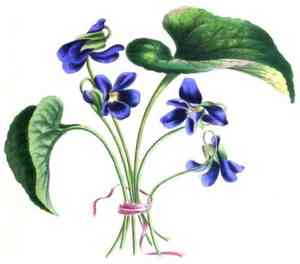
A beloved perennial, evergreen violet, known for its cascading evergreen leaves and golden blossoms, thrives with regular trimming. To ensure peak vitality and structure, shorten elongated stems and eliminate any deceased or ailing foliage. The ideal period for pruning is in spring or early summer, following the blooming phase, to stimulate fresh development and preserve a dense shape. Routine removal of spent flowers also encourages further blooming. Refrain from extensive pruning in autumn to safeguard the plant before its winter rest. Strategic pruning boosts its strength and prolongs evergreen violet's decorative charm.
What Are the Advantages of Trimming Evergreen Violet?
What Are the Advantages of Trimming Evergreen Violet?
Trimming evergreen violet promotes robust development and maintains its form, ensuring it stays healthy and visually appealing within its designated area.
When Is the Optimal Time for Trimming Evergreen Violet?
When Is the Optimal Time for Trimming Evergreen Violet?
Late Winter to Early Spring is the ideal period to trim evergreen violet, allowing gardeners to clear any damage from cold weather before new shoots emerge. Pruning at this time helps preserve the plant's shape and vigor without disrupting its natural growth cycle. As evergreen violet enters its active growth phase in spring, trimming can stimulate new development, leading to stronger, healthier plants. Additionally, since evergreen violet is an evergreen, it doesn't fully go dormant, and minor trimming can be done almost anytime; however, extensive pruning should occur when the plant is not in full bloom to avoid cutting off flower buds. The recommended seasons of Spring, Summer, and Fall align with these considerations, permitting both upkeep and shaping cuts while avoiding the plant's primary flowering period.
What Equipment Do I Need to Trim Evergreen Violet?
Hand Pruners
Perfect for making precise cuts on evergreen violet's relatively slender stems, minimizing harm to the plant.
Gardening Scissors
Useful for deadheading evergreen violet and trimming small, delicate sections without damaging nearby foliage or blooms.
Pruning Shears
Suitable for shaping evergreen violet's growth and maintaining its desired structure, while being gentle on its somewhat delicate form.
How to Trim Evergreen Violet
Clean Tools
Before starting to trim, ensure all pruning tools are clean to prevent disease transmission. Sanitize blades with a 10% bleach solution or rubbing alcohol.
Inspect Plant
Carefully examine evergreen violet for diseased leaves, withered leaves, dead branches, and diseased branches that need trimming for the plant's health and appearance.
Prune Diseased Withered
Using sharpened pruning shears, gently remove diseased and withered leaves from evergreen violet by cutting at the base of the leaf stem, avoiding damage to healthy tissues.
Remove Dead Branches
Trim dead branches by making clean cuts with a pruning saw or shears at a 45-degree angle just above a leaf node or dormant bud, ensuring not to harm the main structure or nearby healthy branches.
Dispose Trimmed Parts
After trimming, promptly discard the diseased leaves and branches in a way that prevents them from infecting other plants. Do not compost as it can spread pathogens.
Common Trimming Errors with Evergreen Violet
Over-Pruning
Removing too much foliage from evergreen violet can stress the plant and lead to weak or stunted growth. Evergreen violet should not be trimmed too aggressively as it is generally low maintenance and only requires light pruning.
Improper Cut Sites
Cutting evergreen violet in the wrong spot can result in plant damage. Trim just above a leaf node or bud to encourage healthy new growth. Avoid making cuts on the main stems or crown unless removing dead or diseased material.
Pruning Active Growth
Trimming evergreen violet when it is actively growing can cause excessive sap loss and introduce stress to the plant. Ensure trimming is done carefully and minimally to avoid disrupting growth.
Ignoring Plant Health
Neglecting to remove dead, diseased, or damaged material from evergreen violet can lead to poor plant health. Regular inspection and careful removal of such material help maintain the plant's vitality.
Blunt Tools
Using dull or dirty pruning tools on evergreen violet can cause ragged cuts that heal poorly and may lead to disease. Always use sharp, clean tools for clean cuts that heal quickly.
Common Trimming Advice for Evergreen Violet
Light Pruning
Perform light trimming on evergreen violet to shape the plant and remove dead or weak growth. This can be done anytime but carefully to ensure the plant's well-being.
Clean Cuts
Make clean cuts at an angle, just above a leaf node, to encourage new growth in evergreen violet without causing unnecessary harm to the plant.
Sterilize Tools
Before trimming evergreen violet, sterilize your tools with alcohol or a bleach solution to prevent the spread of disease between plants.
Thin Out
Thin out crowded areas of evergreen violet to improve air circulation and sun exposure, which helps reduce the risk of disease and encourages more robust growth.
Preserve Flowers
While trimming evergreen violet, be cautious to avoid removing flower buds unless the intent is to extensively control the plant's shape or size.



