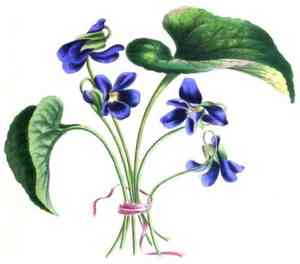
Evergreen violet (Viola sempervirens)
Also known as: Redwood violet, Evergreen violet
The evergreen violet (Viola sempervirens) is found in forests along the West Coast of North America, from California to Alaska. The leaves can be used to make tea or added to soups. However, caution is advised as the flowers may cause digestive issues.
In This Article
Attributes of Evergreen violet
Lifespan
Perennial
Plant Type
Herb
Plant Height
8 cm
Spread
30 cm
Leaf Color
Dark green
Flower Size
2.5 cm to 5 cm
Flower Color
Yellow Red
Images of Evergreen violet
Quickly Identify Evergreen violet
1
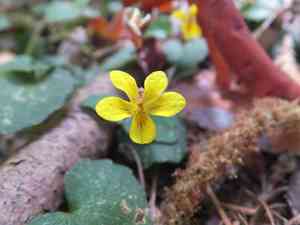
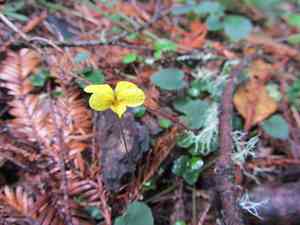
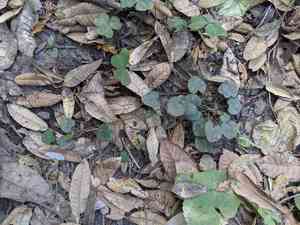
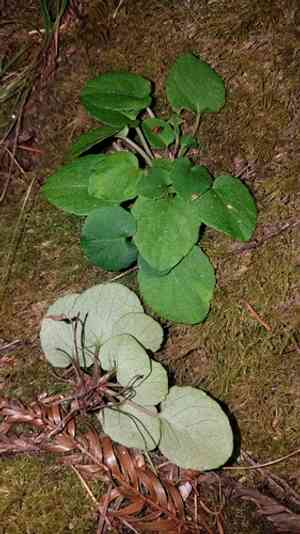
To identify Viola sempervirens, look for its dark green, heart-shaped leaves that are evergreen. Its flowers are small, typically yellow, and bloom mainly in the spring. The plant forms dense mats and has creeping stolons.
Scientific Classification of Evergreen violet
Phylum
Vascular plants
Class
Dicotyledons
Order
Malpighiales
Family
Violet
Genus
Violets
Species
Evergreen violet
Planting and Growing of Evergreen violet
Care Difficulty
Easy
Watering Schedule
Every 4 days
Sunlight Requirements
Partial sun
Sunshine Duration
4-8 hours
Ideal Temperature
50-60℉
Soil Type
Potting Mix, Peat Mix
Soil pH
6.5-7.5
Fertilizer Type
Balanced
Pruning Season
Spring, Summer
Pruning Area
Branches, Leaves
Pruning Frequency
2 times a year
Repotting Season
Spring
Pot Type
Terracotta, Plastic
 How to Water Evergreen violet?
Viola sempervirens prefers soil that is consistently moist but not waterlogged. A good rule of thumb is to water until you see some water drainage from the bottom of the pot, indicating that the water has permeated the soil thoroughly. However, avoid letting the plant sit in standing water, as this can lead to root rot.
What are the symptoms of an underwatered Evergreen violet?
›
What should I do if my Evergreen violet is not getting enough water?
›
What are the symptoms of an overwatered Evergreen violet?
›
How to save an overwatered Evergreen violet?
›
 What Are the Sunlight Requirements for Evergreen violet?
Partial sun to partial shade is optimal for Viola sempervirens. Ideal lighting ensures healthy foliage and vibrant bloom production, supporting robust growth and prolonging its lifecycle.
More About Sunlight Requirements Techniques→
What is the ideal light condition?
›
How to achieve ideal light conditions?
›
What are the benefits of ideal lighting?
›
 What Is the Ideal Temperature Range for Evergreen violet?
Viola sempervirens thrives best in temperatures ranging from 50°F to 60°F. This range provides a comfortable environment that mimics their natural habitat, ensuring optimal growth and blooming.
 What Soil is Best for Evergreen violet?
Viola sempervirens thrives in soil that retains adequate moisture, which is crucial for this plant's lush growth. Well-retained moisture in the soil helps maintain consistent hydration, preventing the plant from suffering drought stress. The plant requires soil with good aeration to facilitate oxygen flow to the roots. Proper aeration ensures the roots can breathe and access nutrients efficiently, promoting a healthy, vibrant plant. A nutrient-rich soil helps support the plant’s flowering and overall health. Enriched soils provide essential minerals like nitrogen and phosphorus that fuel growth and blossom production.
 How to Fertilize Evergreen violet?
For Viola sempervirens, it’s important to apply a balanced amount of fertilizer. During the growing season, apply a half teaspoon (approximately 2.5ml) of liquid fertilizer per gallon of water every two weeks to provide necessary nutrients without overwhelming the plant.
 How to Prune Evergreen violet?
Start by removing any dead, damaged, or diseased foliage to encourage new growth. Cut just above a leaf node or bud to prompt branching and more blooms. Trim back any overly long or unruly stems to maintain the plant’s shape and enhance aesthetics. Consider the overall shape you desire. Aim for a balanced form that allows light to reach the center of the plant. This will help in producing a denser foliage and vibrant flowers, enhancing the plant's visual appeal.
More About Pruning Techniques→
 How to Propagate Evergreen violet plant?
1
Begin by filling a seed tray with a well-draining mix and distribute seeds evenly over the surface. Cover the seeds lightly with more mix, water gently, and place them in a warm, bright location. Keep the soil consistently moist until germination occurs.
2
Select a healthy, non-flowering stem from the parent plant and cut it just below a node, removing the lower leaves. Dip the cut end in a rooting hormone for better root development, then place it into a prepared potting mixture.
3
Carefully remove the plant from its pot or dig it from the ground. Gently separate the plant into smaller sections, ensuring each section has roots and healthy foliage. Replant immediately into new areas or pot with fresh soil.
 How to Repot Evergreen violet plant?
1
Repot Viola sempervirens when you see roots emerging from the drainage holes or the top growth has become stunted. Spring is ideal as it allows the plant to revive and establish in its new container amidst the warming weather.
2
Select a pot that is only slightly larger than the current one. It should have ample drainage holes to prevent waterlogging, which can lead to root rot. A pot that's too large may hold too much moisture, risking root damage.
3
Choose a well-draining, organic-rich potting mix. This type of soil ensures that excess water drains away, preventing waterlogging, while providing nutrients that support robust growth. A mix with good aeration is ideal.
Learn More About Evergreen violet Diseases
Anthracnose
Bacterial Leaf Spot
Bacterial Soft Rot
Bacterial Wilt
Chemical Injury
Crown Gall
Cyst Nematode
Damping-off
Downy Mildew
Drought Stress
Fusarium Wilt
Gray Mold
Leaf Curl
Leaf Spot
Mosaic
Nutrient Deficiency
Nutrient Toxicity
Powdery Mildew
Root Rot
Root-knot Nematode
Rusts
Sooty Mold
Spider Mites
Temperature Stress
Thrips Damage
White Mold



