How to Prune Upright vetch?
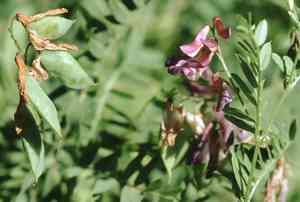
An enduring legume distinguished by its erect habit, upright vetch flourishes with infrequent trimming. Shear to preserve its form and eliminate deceased or compromised leaves in the spring or early summer. This targeted trimming stimulates robust development and air circulation. Pruning during periods of active growth can enhance legume yield and plant vigor. Always employ sanitized, sharp implements to avert pathogen dissemination. Consistent pruning provides both visual appeal and wellness advantages for upright vetch.
Advantages of Trimming Upright Vetch
Advantages of Trimming Upright Vetch
Trimming upright vetch promotes robust development and helps maintain its desired form. This practice is vital for improving the plant's overall well-being and visual appeal.
Optimal Period for Trimming Upright Vetch
Optimal Period for Trimming Upright Vetch
Trimming upright vetch in late spring or early summer coincides with the period immediately following its blooming cycle. This timing prevents disruption of the flowering phase, typically in spring, and enables gardeners to shape the plant and remove spent flowers to encourage new growth. Pruning in late spring also minimizes the risk of harming new shoots emerging during early growth stages. In early summer, temperatures and weather conditions generally facilitate rapid healing of pruning wounds, reducing stress and vulnerability to diseases. Furthermore, pruning after flowering allows the plant to reallocate energy towards root and foliage development, enhancing vigor and overall health. It's crucial to avoid winter pruning when the plant is dormant to prevent cold damage to freshly cut areas.
Essential Tools for Trimming Upright Vetch
Bypass Pruners
Upright vetch is an herbaceous plant, meaning it has soft, green stems. Bypass pruners are perfect for making clean cuts on such plant material, reducing the chance of damaging stems during trimming.
Garden Scissors
For precise trimming and shaping of upright vetch, garden scissors can be highly effective. They allow for meticulous control over the plant's form and health.
Gardening Gloves
While upright vetch isn't known for being particularly thorny or irritating, gloves are advised to shield hands from sap or accidental scrapes while pruning.
Pruning Saw
If upright vetch is an older plant with woody bases, a pruning saw might be necessary for managing thick stems that bypass pruners cannot handle.
How to Trim Upright Vetch
Sanitize tools
Before beginning the trimming process, ensure all pruning tools are clean and disinfected to prevent the spread of disease to upright vetch.
Remove diseased foliage
Carefully remove any diseased leaves from upright vetch, making clean cuts at the base of the affected leaf to stop the spread of infection.
Trim withered foliage
Trim away withered or dead leaves from upright vetch by cutting them at the base of the leaf stem. This promotes healthy growth and improves air circulation.
Prune diseased stems
Identify and cut away any diseased stems on upright vetch, making the cut at ground level or just above a healthy leaf node, depending on stem structure, to prevent further disease spread.
Clean up
Once trimming is complete, clear all removed plant material from around upright vetch and dispose of it properly to prevent disease from lingering in the area.
Common Trimming Errors with Upright Vetch
Excessive pruning
Cutting back too much of upright vetch's growth can shock the plant, potentially leading to stunted growth or failure to thrive. Aim to remove only the necessary parts of the plant.
Incorrect cut placements
Making cuts too far from a bud or node may result in long, unattractive stems on upright vetch that do not encourage healthy regrowth. Similarly, cutting too close might harm the bud.
Using dull tools
Trimming upright vetch with dull or dirty tools can cause jagged cuts that are more susceptible to disease and may prevent the plant from healing properly.
Trimming healthy growth
Removing healthy, vibrant growth from upright vetch can be detrimental. Focus should be directed at dead, dying, or diseased parts to promote better plant health.
Ignoring plant form
Failing to consider the natural growth pattern of upright vetch when pruning may lead to an unnatural appearance and poor structure.
General Trimming Advice for Upright Vetch
Sharp, clean tools
Always use sharp, clean pruning shears or scissors on upright vetch to make clean cuts and reduce the risk of disease.
Cutting angle
Upright vetch benefits from angled cuts just above buds or branching points, allowing for water runoff and promoting healthy new growth.
Selective trimming
Selectively trim upright vetch to maintain its natural shape, cutting back leggy stems and removing only overcrowded or crossed branches.
Deadheading
Regularly remove spent flowers from upright vetch to encourage more blooms and prevent energy from being wasted on seed production.
Monitor health
Consistently monitor upright vetch for signs of disease or stress, and remove affected areas promptly to maintain plant vitality.



