How to Prune Asian guelder rose?
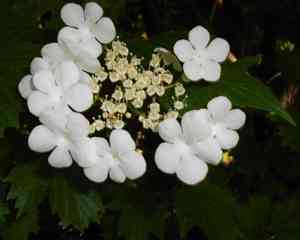
Distinguished by its profuse groupings of white blossoms and crimson berries that darken to black when ripe, asian guelder rose thrives with consistent trimming to preserve its form and vitality. The most suitable periods for pruning are late spring or early summer, following the blooming phase. Reducing older branches and shortening excessively long limbs improves air movement and light exposure. Always eliminate any lifeless, ailing, or intersecting branches to encourage robust development and enhance the presentation of its fruits and flowers.
What Are the Benefits of Pruning Asian Guelder Rose?
What Are the Benefits of Pruning Asian Guelder Rose?
Trimming asian guelder rose promotes abundant flowering and strong vitality by eliminating aged, potentially diseased wood, enhancing air movement and light exposure, which are crucial for warding off pests and illnesses.
What Is the Best Time for Pruning Asian Guelder Rose?
What Is the Best Time for Pruning Asian Guelder Rose?
Trimming asian guelder rose in late spring, right after its blooming period, and in early summer is considered ideal. This timing allows gardeners to sculpt the plant and remove faded flowers without negatively impacting the subsequent year's blooms. Since asian guelder rose flowers on old wood, meaning growth from the previous year, late spring and early summer pruning ensures the plant's energy can be directed towards healthy new growth and the formation of flower buds for the next season. Pruning before or during winter might remove flower buds, reducing spring blossoms. Additionally, pruning at the recommended times helps maintain the plant's health by preventing the spread of diseases that are more active in damp, cooler conditions. Limiting extensive cutting to this period helps avoid unnecessary stress on asian guelder rose, fostering vigor and a robust growth cycle.
What Tools Do I Need to Prune Asian Guelder Rose?
Hand Pruners
Perfect for making precise cuts on asian guelder rose's smaller branches, typically under 3/4 inch in diameter. This minimizes damage to plant tissues, aiding in better recovery.
Loppers
Useful for cutting thicker branches between 3/4 inch and 1 1/2 inches in diameter. They offer greater leverage than hand pruners and help maintain asian guelder rose's shape without straining the gardener.
Pruning Saw
Recommended for removing asian guelder rose's branches exceeding 1 1/2 inches in thickness. A pruning saw allows for accurate cutting of larger limbs without tearing the bark, which is essential for disease prevention.
Hedge Shears
Suitable for shaping asian guelder rose when a more formal look is desired. These are best for trimming thin twigs and foliage rather than cutting thick wood.
How to Prune Asian Guelder Rose
Clean tools
Before beginning, disinfect pruning shears or saws to prevent disease transmission to asian guelder rose.
Remove diseased material
Identify and cut off any diseased leaves and branches, snipping them at their base without leaving stubs, to enhance asian guelder rose's health.
Clear dead material
Trim dead branches and withered leaves by cutting them back to the nearest healthy stem, promoting vitality in asian guelder rose.
Deadhead flowers
Remove spent flowers by snipping the faded blooms back to just above the first healthy set of leaves to encourage more blossoms in asian guelder rose.
Control growth
Cut back overgrown branches to maintain asian guelder rose's desired form and size and to encourage good air circulation.
Common Pruning Mistakes with Asian Guelder Rose
Over-pruning
Removing too much foliage at once can stress asian guelder rose, potentially leading to reduced growth and fewer blooms.
Cutting into old wood
Pruning into old wood can prevent asian guelder rose from producing flowers, as it blooms on old growth.
Improper tool use
Using dull or dirty pruning tools can lead to jagged cuts and increase the risk of disease for asian guelder rose.
Neglecting shape
Without considering the natural shape of asian guelder rose, imprudent cuts can result in an unbalanced and unsightly appearance.
Timing without regard to flowering
Pruning at the wrong time, even if not specified when, can negatively affect the flowering cycle of asian guelder rose.
Ignoring diseased branches
Failing to remove diseased or damaged branches promptly can allow problems to spread throughout asian guelder rose, compromising its overall health.
Common Pruning Tips for Asian Guelder Rose
Selective thinning
Thin out asian guelder rose by selectively removing older branches to improve light penetration and air circulation, which encourages healthy growth.
Shaping
Trim asian guelder rose to maintain its natural form, rather than shearing, to preserve its aesthetic and promote vigorous flowering.
Sanitize tools
Always use clean, sharp tools to make clean cuts that heal quickly, reducing the risk of infection for asian guelder rose.
Gradual rejuvenation
For an aging asian guelder rose, rejuvenate over several years by gradually cutting a few of the oldest stems to ground level to avoid shocking the plant.
Deadheading
Remove spent flowers of asian guelder rose to encourage new blooms and avoid unnecessary seed production, which can sap energy from the plant.
Mulching after pruning
After pruning, apply a layer of mulch around asian guelder rose to help retain moisture and protect the roots, especially where old wood was removed.



