How to Transplant Asian guelder rose?
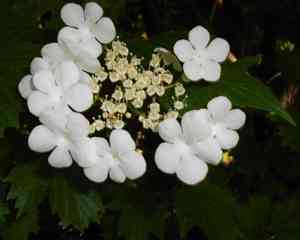
The optimal period for relocating asian guelder rose is from mid to late spring, allowing its root system to become established prior to the summer's warmth. Select a site offering partial shade and soil that drains effectively to boost asian guelder rose's health after transplantation.
What Preparations are Needed Before Transplanting Asian Guelder Rose?
What is the Ideal Time for Transplanting Asian Guelder Rose?
The most favorable period for relocating asian guelder rose is during mid-spring or as late spring days become warmer. This timing allows asian guelder rose to establish its root system prior to summer's heat, setting the stage for vigorous development. Moving it in this mild season leverages asian guelder rose's dormant state, ensuring a smooth transition to its new spot, while moderate weather and spring moisture aid the plant's recovery and new growth. Garden enthusiasts, envision the delight as asian guelder rose flourishes in its new home!
How Much Space Should You Leave Between Asian Guelder Rose Plants?
When moving asian guelder rose, ensure ample room for expansion. Position them approximately 4-6 feet (1.2-1.8 meters) apart. This provides sufficient space for root development and encourages robust growth.
What is the Best Soil Mix for Asian Guelder Rose Transplanting?
For asian guelder rose, select a well-draining soil rich in organic matter. Prepare your garden bed with compost or a general-purpose fertilizer to supply essential nutrients.
Where Should You Relocate Your Asian Guelder Rose?
Asian guelder rose thrives in sunlight! Choose a location that receives abundant sun exposure throughout the day to promote strong and healthy development. A bit of afternoon shade would also be beneficial.
What Equipments Should You Prepare Before Transplantation Asian Guelder Rose?
Shovel or Garden Spade
Required for excavating the new hole in the garden and extracting the asian guelder rose from its current position.
Gardening Gloves
To safeguard your hands while handling soil and the plant, particularly to avoid any sharp branches or roots.
Wheelbarrow or Large Bucket
To move the asian guelder rose from its original spot to the new planting area while keeping the root ball intact.
Watering Can or Hose
To irrigate the asian guelder rose after transplanting and to keep the roots moist during the relocation process.
Garden Knife
To sever any intertwined or circling roots.
Mulch
To assist in retaining soil moisture and providing a gradual release of nutrients.
Stake and Tie
If the asian guelder rose is larger or mature, a stake may be necessary to offer initial support post-transplant.
How Do You Remove Asian Guelder Rose from the Soil?
How Do You Remove Asian Guelder Rose from the Soil?
From the Ground: If the asian guelder rose is currently in the ground, water it thoroughly the day before you plan to move it. This helps to soften the soil and reduce plant stress. The next day, dig a wide and deep trench around the plant, ensuring the root ball remains as intact as possible. Gently lift the plant from its original spot, keeping the soil around the roots attached. From a Pot: If the asian guelder rose is in a container, water it well the day before transplanting. When ready to move, invert the pot and gently tap its rim on a firm surface. The plant should slide out with the soil and roots intact. If the plant is root-bound (roots tightly coiled inside the pot), you might need to cut through the roots on the sides and bottom using a garden knife. From a Seedling Tray: If the asian guelder rose is in a seedling tray, select a healthy plant with established roots. Again, watering a day prior will help. Gently push the seedling out from the bottom, keeping the roots and attached soil intact.
Step-by-Step Guide for Transplanting Asian Guelder Rose
Preparation
Confirm the new planting site is ready, meaning it's been cleared of any weeds or debris and a hole has been dug that is twice as wide and just as deep as the asian guelder rose's root ball.
Transport
Move the asian guelder rose to the new planting location using a wheelbarrow or a large bucket. Aim to keep the root ball as intact as possible to minimize plant stress.
Planting
Position the asian guelder rose in the hole, ensuring the top of the root ball is level with the ground. Backfill the hole with soil, pressing firmly but gently to secure the plant.
Watering
Once planted, water generously to help the asian guelder rose settle into its new location. The water also aids in compacting the soil around the root ball.
Staking
If the asian guelder rose is a larger specimen, you might need to stake the plant for initial support. Use soft tie material to attach the plant to the stake.
Mulching
Apply a layer of mulch around the plant's base to help retain soil moisture and inhibit weed growth.
How Do You Care For Asian Guelder Rose After Transplanting?
Watering
It's vital to monitor the asian guelder rose for several weeks post-transplant. Ensure the surrounding soil remains consistently moist as it establishes. Water deeply and less frequently, rather than shallowly and often, to encourage deep root growth.
Pruning
Avoid significant pruning immediately after transplanting as the plant requires all its energy to develop new roots. However, if you notice any dead or damaged branches, feel free to remove them.
Staking
Regularly check the stake and ties to ensure they continue to provide necessary support without hindering growth or causing harm.
Observation
Keep an eye on the plant's overall health. Transplant shock can manifest as yellowing leaves or wilting, but these symptoms should diminish as the asian guelder rose recovers and settles in its new spot.
Troubleshooting Common Issues with Asian Guelder Rose Transplantation.
When is the ideal time to transplant asian guelder rose?
The optimal period for moving asian guelder rose is from late spring to early summer. The plant will establish better during warmer months.
How much space does each asian guelder rose require?
Asian guelder rose should be given ample room when planting. A spacing of 4-6 feet (1.2-1.8 meters) between plants is recommended for healthy development.
Do I need to prune asian guelder rose while transplanting?
Yes, trimming asian guelder rose before transplanting can help it better cope with the stress of relocation. Cut off about 1/3 of the main branches.
How deep should I dig the hole while transplanting asian guelder rose?
The hole for transplanting asian guelder rose should be twice as wide and the same depth as the root ball. This allows the roots space to spread.
Do I need to fertilize asian guelder rose after transplantation?
A balanced granular fertilizer can be beneficial after moving asian guelder rose to stimulate new growth. However, avoid excessive use which may harm the plant.
What type of soil is best for transplanting asian guelder rose?
Asian guelder rose prefers well-draining soil, ranging from mildly acidic to neutral. Amending the soil with compost or organic matter can enhance its fertility.
Should I water asian guelder rose immediately after transplanting?
Absolutely yes, watering asian guelder rose right after transplanting is crucial. This helps to settle the soil around the roots and eliminate air pockets.
How to care for asian guelder rose post-transplant?
Consistent watering, mulching around the base to retain moisture, and protecting it from harsh weather conditions will help asian guelder rose recover after transplanting.
What should I do if my newly transplanted asian guelder rose shows signs of wilting?
Ensure it receives sufficient water. If wilting persists, it may indicate transplant shock. Add root stimulator to the soil and avoid direct sunlight.
What if the asian guelder rose doe not show new growth after transplantation?
Do not worry, asian guelder rose may take time to establish after transplanting. Continue caring for the plant and look for signs of new leaves in the coming weeks.



