How to Prune Viburnum hanceanum?
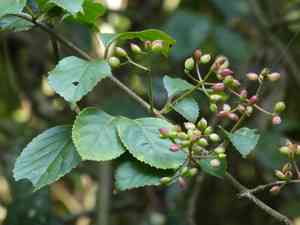
Viburnum hanceanum is recognized for its thick leaves and appealing blossoms. For viburnum hanceanum, the primary trimming method involves careful thinning to enhance air movement and light exposure. The best periods for this maintenance are late winter and early spring, coinciding with its developmental phase. Consistent trimming encourages more robust development and abundant flowering. Always use sanitized, sharp implements to execute accurate cuts, thereby minimizing the chance of illness or insect problems. Appropriate pruning improves viburnum hanceanum's visual appeal in the garden and its general vigor.
What Are the Benefits of Pruning Viburnum Hanceanum?
What Are the Benefits of Pruning Viburnum Hanceanum?
Trimming viburnum hanceanum encourages robust development, helps maintain its form, boosts blooming, and enhances its overall look. Proper trimming also assists in managing its size and decreasing vulnerability to pests and diseases.
What Is the Best Time for Pruning Viburnum Hanceanum?
What Is the Best Time for Pruning Viburnum Hanceanum?
Trimming viburnum hanceanum in late winter or early spring is optimal as it coincides with the plant's dormant phase, reducing stress and fostering healthy regrowth. Furthermore, these periods precede the main growth and flowering stages, ensuring pruning doesn't disrupt viburnum hanceanum's bloom cycle. Pruning at this time also aids in shaping the plant and removing any dead or diseased wood, promoting overall plant health and vigor.
What Tools Do I Need to Prune Viburnum Hanceanum?
Hand Pruners (Secateurs)
Excellent for making clean cuts on branches up to 1/2 inch in diameter. Essential for small to medium trimming tasks and delicate work on viburnum hanceanum.
Loppers
Perfect for larger branches between 1/2 inch and 1 1/2 inches in diameter. Provide leverage for more substantial cuts on viburnum hanceanum without harming the plant.
Pruning Saw
Required for removing thicker branches (over 1 1/2 inches in diameter). Ensures smooth cuts on viburnum hanceanum and prevents tearing or damage to the bark.
Hedge Shears
Useful for shaping and trimming viburnum hanceanum, ensuring consistent and precise cuts for aesthetic and growth management.
How to Prune Viburnum Hanceanum
Assessment
Carefully examine the entire plant for any indications of illness, wilting, or lifelessness in foliage and stems. Use this initial evaluation to pinpoint the specific areas requiring trimming.
Tool Prep
Prepare your trimming tools, such as sharp, sanitized pruners or loppers, to minimize potential disease spread. Ensure cutting implements are clean to avoid infection risks.
Remove diseased parts
Cut off any diseased leaves and branches. Make your cuts well below the affected area into healthy tissue to ensure the removal of all diseased parts.
Eliminate dead parts
Trim away any dead branches. Make clean cuts at the base of dead branches to promote healthy regrowth and prevent unnecessary strain on viburnum hanceanum.
Dispose properly
Dispose of all the trimmed diseased and dead plant material away from viburnum hanceanum and your garden to prevent any potential spread of pathogens.
Common Pruning Mistakes with Viburnum Hanceanum
Improper Technique
One of the most frequent errors is using incorrect trimming methods. This includes making uneven cuts, tearing the bark, or not using clean, sharp tools, which can harm the plant or make it vulnerable to diseases.
Over-pruning
Another common mistake is cutting back too much of the plant. Excessive trimming can stress viburnum hanceanum, leading to poor growth and reduced flowering. Always avoid removing more than one-third of the plant's foliage at any given time.
Pruning at the Wrong Angle
Cutting stems at inappropriate angles can hinder proper healing and leave viburnum hanceanum vulnerable to pathogen entry. Always prune at a slight angle to facilitate water runoff and minimize the risk of decay.
Common Pruning Tips for Viburnum Hanceanum
Use Clean, Sharp Tools
Ensure your trimming shears or loppers are sharp and clean to make precise cuts and prevent the spread of diseases. Disinfect tools with rubbing alcohol before and after use.
Focus on Damaged and Dead Wood First
Begin by removing any dead, damaged, or diseased branches. This helps viburnum hanceanum allocate its energy towards healthier growth and improves its appearance.
Encourage Air Circulation
Thinning out crowded branches improves airflow and reduces the risk of fungal infections. Aim to create an open structure within viburnum hanceanum to promote good air circulation.
Make Pruning Cuts Just Above a Bud
When cutting back stems, make your cut just above a healthy bud or lateral branch. This encourages new growth in the desired direction and maintains the plantâs natural shape.



