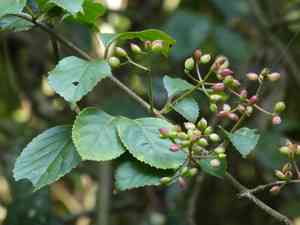
Viburnum hanceanum (Viburnum hanceanum)
Also known as: Hance Viburnum, Chinese Snowball
Viburnum hanceanum is a deciduous shrub with a rounded habit, known for its glossy, ovate leaves and delicate clusters of fragrant white flowers that bloom in spring. The blossoms give way to red-to-blackish berries, vital for local wildlife. Preferring well-drained soil, viburnum hanceanum thrives in forest understories, showcasing resilience in shaded environments and seasonal color.
In This Article
Attributes of Viburnum hanceanum
Lifespan
Perennial
Plant Type
Shrub
Plant Height
1.5-2.5 meters
Spread
1-2 meters
Leaf Color
Dark green
Flower Size
5-10 cm (cluster)
Flower Color
White
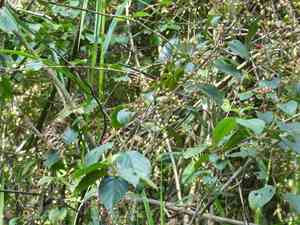
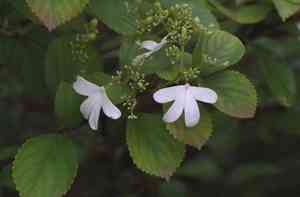
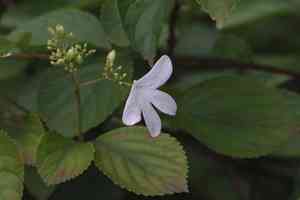
Images of Viburnum hanceanum
Quickly Identify Viburnum hanceanum
1
Look for a deciduous shrub with oval-shaped, serrated leaves, and clusters of small, white flowers in the spring. The berries turn from red to black as they mature.
Scientific Classification of Viburnum hanceanum
Phylum
Vascular plants
Class
Dicotyledons
Order
Dipsacales
Family
Moschatel
Genus
Viburnum
Species
Viburnum hanceanum
Planting and Growing of Viburnum hanceanum
Care Difficulty
Moderate
Watering Schedule
Every 3 days
Sunlight Requirements
Partial sun
Sunshine Duration
4-8 hours
Ideal Temperature
60-75℉
Soil Type
Potting Mix, Peat Mix
Soil pH
6.5-7.5
Fertilizer Type
Balanced
Pruning Season
Spring, Summer
Pruning Area
Branches, Leaves
Pruning Frequency
2 times a year
Repotting Season
Spring
Pot Type
Plastic, Ceramic
 How to Water Viburnum hanceanum?
For Viburnum hanceanum, it's essential to water sufficiently, ensuring the soil is moist but not waterlogged. Aim for about 500ml of water per session, ensuring that it seeps through the pot to hydrate roots without drowning them.
What are the symptoms of an underwatered Viburnum hanceanum?
›
What should I do if my Viburnum hanceanum is not getting enough water?
›
What are the symptoms of an overwatered Viburnum hanceanum?
›
How to save an overwatered Viburnum hanceanum?
›
 What Are the Sunlight Requirements for Viburnum hanceanum?
Viburnum hanceanum prefers partial to full sunlight, balancing exposure to prevent overheating. Ideal lighting promotes lush foliage, stronger branches, and enhances flowering in spring seasons, presenting a fuller and healthier plant.
What are ideal lighting conditions?
›
What solutions ensure ideal lighting?
›
What are the benefits of ideal lighting?
›
 What Is the Ideal Temperature Range for Viburnum hanceanum?
The ideal temperature range for Viburnum hanceanum is between 60°F and 75°F. This range is most suitable for its growth, allowing it to thrive and produce healthy foliage and flowers. Temperatures within this range promote optimal metabolic activities, enabling the plant to effectively carry out processes such as photosynthesis and nutrient uptake.
 What Soil is Best for Viburnum hanceanum?
Viburnum hanceanum thrives in soil that is rich in organic matter. Such soils provide essential nutrients that boost plant growth and ensure vibrant foliage, enhancing the visual appeal of the plant. The plant requires well-drained soil to prevent water logging, which can lead to root rot. Proper drainage helps maintain optimal moisture levels, supporting healthy root development and overall plant vitality. Soils that maintain moderate moisture levels without becoming waterlogged are ideal. This characteristic helps sustain the plant during dry spells, ensuring consistent growth and flowering.
 How to Fertilize Viburnum hanceanum?
For Viburnum hanceanum, it's crucial to use approximately half a cup of balanced granular fertilizer per plant to ensure optimal growth. This ensures that the plant receives adequate nutrients without the risk of over-fertilization.
 How to Prune Viburnum hanceanum?
Begin by removing any dead, diseased, or damaged branches. This prevents the spread of disease and invigorates the plant, allowing it to concentrate its energy on healthy growth. Shape the shrub by trimming back the outer branches to maintain its size and appearance. Thinning the interior by cutting back some of the old growth will allow better air circulation and light penetration, promoting a healthier and more vibrant plant. While it might be tempting to cut back more to reshape the plant drastically, remember that overpruning can stress the shrub and reduce blooms for the next season. Always leave enough foliage to sustain the plant’s health.
More About Pruning Techniques→
 How to Propagate Viburnum hanceanum plant?
1
Collect seeds from ripe berries and clean them thoroughly. Sow them in seed trays filled with a light, well-draining mix. Maintain a consistent moisture level until germination occurs, usually in a few weeks.
2
Select a healthy, disease-free stem from the parent plant. Cut it just below a leaf node, remove the lower leaves, and apply rooting hormone to the cut end to encourage root growth before planting it in the propagation medium.
3
Bend a low-growing stem of the plant to ground level. Nick the stem to encourage rooting, and secure it in place with a U-shaped pin. Cover with soil, leaving the tip exposed, and water regularly until roots form.
 How to Repot Viburnum hanceanum plant?
1
Repotting should be considered when Viburnum hanceanum shows signs of being root-bound, such as roots growing out of the drainage holes or the plant appearing stunted. Ideal repotting time is during active growth in spring or autumn when the roots can easily recover.
2
Opt for a pot that is 2-3 inches larger in diameter than the current one. Clay pots are often preferred for their breathability, but ensure it has ample drainage holes. The right pot size prevents waterlogging and supports healthy root expansion, crucial for robust growth.
3
A well-draining potting mix is essential to avoid root rot. Mix equal parts of peat moss, perlite, and garden soil to provide good aeration and moisture retention. This mix offers a balance of nutrients and drainage, promoting lively growth.
Learn More About Viburnum hanceanum Diseases
Anthracnose
Bacterial Leaf Spot
Black Spot
Chemical Injury
Crown Gall
Damping-off
Downy Mildew
Drought Stress
Fusarium Wilt
Gray Mold
Leaf Curl
Leaf Spot
Mosaic
Nutrient Deficiency
Nutrient Toxicity
Powdery Mildew
Root Rot
Root-knot Nematode
Rusts
Sooty Mold
Spider Mites
Temperature Stress
Thrips Damage
White Mold



