How to Prune Mu oil tree?
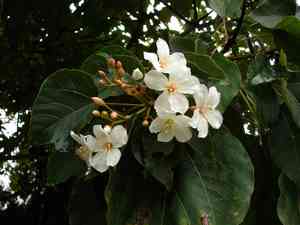
Originating from Southeast Asia, the mu oil tree yields seeds abundant in industrial oil. Perform pruning in late winter or early spring prior to the commencement of vigorous growth. Eliminate any deceased or ailing branches and thin out the crown to improve light access and air circulation. Form the tree by trimming back excessively long branches, making certain that cuts are executed above a growth point or bud. Pruning enhances the plant's well-being and encourages a greater oil-seed output. Sanitize implements between each cut to avert the dissemination of pathogens.
What Are the Benefits of Pruning Mu Oil Tree?
What Are the Benefits of Pruning Mu Oil Tree?
Trimming mu oil tree promotes robust development and maintains its desired form. By removing congested or lifeless branches, it ensures better air circulation, lowering disease risk and fostering strong health. Strategic cuts enhance light penetration, crucial for mu oil tree's vigor and output.
What Is the Best Time for Pruning Mu Oil Tree?
What Is the Best Time for Pruning Mu Oil Tree?
Pruning mu oil tree in early spring or late winter aligns with its dormant period, minimizing stress and reducing disease infection risk. This timing allows for the removal of damaged or diseased branches before new growth begins, contributing to the plant's health and vitality. Trimming mu oil tree before its growth cycle ensures energy is directed towards producing healthy new shoots and leaves. Additionally, pruning before flowering or fruiting enables gardeners to shape the plant and regulate bloom or fruit production, ultimately increasing mu oil tree's overall yield and aesthetic value.
What Tools Do I Need to Prune Mu Oil Tree?
Hand Pruners
For cutting smaller branches and twigs, hand pruners or secateurs are essential. They provide a clean cut vital for mu oil tree's health.
Loppers
To cut branches too thick for hand pruners, loppers offer longer handles for leverage and greater cutting capacity. This will effectively handle mu oil tree's thicker branches.
Pruning Saw
For mu oil tree's largest branches, a pruning saw is necessary. Its serrated blade can manage diameters too large for loppers.
Pole Pruner
If mu oil tree has grown tall, a pole pruner or pole saw can safely trim high branches without needing a ladder.
Hedge Shears
If mu oil tree is maintained as a hedge or requires shaping, hedge shears are suitable for precise foliage trimming and shaping.
Pruning Gloves
To protect hands from scratches and sap, which might irritate skin, wearing durable gloves is advised when pruning mu oil tree.
Garden Ladder
When working on a taller mu oil tree specimen, a sturdy garden ladder ensures safety while accessing higher branches.
How to Prune Mu Oil Tree
Sterilize
Before beginning, sanitize all pruning tools with isopropyl alcohol or a 10% bleach solution to prevent disease spread.
Identify
Examine mu oil tree closely to locate all dead and diseased branches, which often appear dry, discolored, or show signs of fungal growth.
Cut Dead Branches
Using sharp, clean pruning shears, make cuts on dead branches of mu oil tree at a 45-degree angle, about a quarter-inch above a healthy bud or branch collar to encourage proper healing.
Cut Diseased Branches
Carefully remove any diseased branches from mu oil tree by cutting well below the affected area, ensuring not to peel bark off healthy parts while maintaining the plant's overall structure and form.
Disposal
Dispose of all removed dead and diseased branches far from mu oil tree, as they can harbor pests and diseases that may affect the plant or others nearby.
Common Pruning Mistakes with Mu Oil Tree
Over-Pruning
Excessively cutting back mu oil tree can shock the tree, hindering its growth and potentially harming its overall health.
Improper Cut Locations
Incorrectly making cuts too close or too far from the branch collar can lead to poor healing and leave mu oil tree susceptible to disease and pests.
Using Dull Tools
Employing dull or dirty pruning tools can result in jagged cuts, increasing stress and the risk of infection for mu oil tree.
Pruning Without A Plan
Random or excessive pruning without understanding mu oil tree's growth pattern can lead to an unattractive appearance and weaken the plant's structural integrity.
Neglecting Disease Management
Failing to remove diseased or pest-infested branches, or pruning during an active infection, can easily spread problems throughout mu oil tree.
Common Pruning Tips for Mu Oil Tree
Sanitization
Before pruning, clean and sterilize all tools to prevent the spread of disease to or from mu oil tree.
Sharp Tools
Use sharp tools to make clean, precise cuts, which help mu oil tree heal faster and reduce stress.
Angle Of Cuts
Cut branches at a 45-degree angle, just above an outward-facing bud or node, to encourage healthy outward growth of mu oil tree.
Branch Collar
When removing larger branches, prune just outside the branch collar, not flush to the trunk, to promote faster healing for mu oil tree.
Structural Pruning
Focus on removing dead, diseased, or crossing branches to maintain a strong framework, which helps mu oil tree develop a robust structure.
Water Sprouts And Suckers
Remove water sprouts and suckers, as they divert energy from mu oil tree's main growth and can weaken the tree if left unmanaged.
Thinning
Thin out dense areas of foliage to improve air circulation and light penetration, which is vital for mu oil tree's health and flowering.



