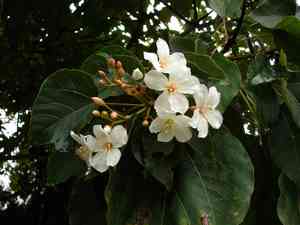
Mu oil tree (Vernicia montana)
Also known as: Tung Tree, Chinese Tung Tree, Oil Tung
The Mu oil tree, or Chinaberry tree (Melia azedarach), is prized for its seeds, which yield oil used in wood finishing, as well as in the manufacture of paint, ink, soap, and linoleum. It's important to be aware that every part of this tree is highly toxic if ingested by humans or animals.
In This Article
Attributes of Mu oil tree
Lifespan
Perennial
Plant Type
Tree
Plant Height
20 m
Spread
25 m
Leaf Color
Green
Flower Size
20 cm to 30 cm
Flower Color
White
Images of Mu oil tree

Quickly Identify Mu oil tree
1
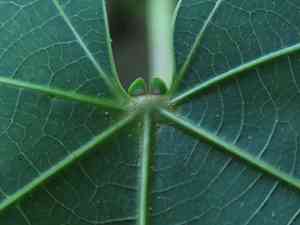
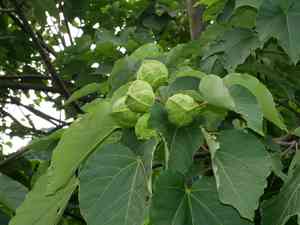
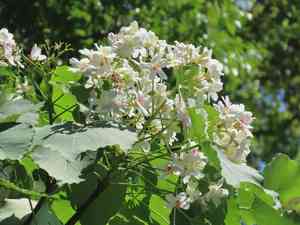
The Tung Tree can be identified by its broad, heart-shaped leaves, which have a distinctive pointed tip. The tree produces clusters of white to pink flowers with red stripes, typically blooming in spring. The fruit is a green, spherical capsule.
Scientific Classification of Mu oil tree
Phylum
Vascular plants
Class
Dicotyledons
Order
Malpighiales
Family
Spurge
Genus
Vernicia
Species
Mu oil tree
Planting and Growing of Mu oil tree
Care Difficulty
Moderate
Watering Schedule
Every 2 days
Sunlight Requirements
Partial sun
Sunshine Duration
6-10 hours
Ideal Temperature
68-77℉
Soil Type
Potting Mix, Peat Mix
Soil pH
6.5-7.5
Fertilizer Type
Balanced
Pruning Season
Spring, Summer
Pruning Area
Branches, Leaves
Pruning Frequency
Once a year
Repotting Season
Spring
Pot Type
Plastic, Ceramic
 How to Water Mu oil tree?
Vernicia montana requires consistent but moderate watering. Ensure that the soil is moist but not soggy. It's crucial to water thoroughly until it drains out of the bottom of the pot, signaling complete saturation without waterlogging the roots.
What are the symptoms of an underwatered Mu oil tree?
›
What should I do if my Mu oil tree is not getting enough water?
›
What are the symptoms of an overwatered Mu oil tree?
›
How to save an overwatered Mu oil tree?
›
 What Are the Sunlight Requirements for Mu oil tree?
Partial sun to full sun is ideal. This range supports optimal growth, flowering, and foliage vitality by providing a balanced exposure to sunlight throughout the day.
More About Sunlight Requirements Techniques→
Question: What is the best light condition for Vernicia montana?
›
Solution: How can we achieve these ideal lighting conditions?
›
Effect: What are the benefits of refining lighting conditions for Vernicia montana?
›
 What Is the Ideal Temperature Range for Mu oil tree?
The ideal temperature range for Vernicia montana plants is between 68°F and 77°F. These temperatures help ensure optimal growth and development, allowing the plant to thrive in conditions that are neither too cold nor too hot. Maintaining this temperature range can also improve flowering and seed production.
 What Soil is Best for Mu oil tree?
Vernicia montana thrives in well-drained soil, which prevents waterlogging and root rot. A well-draining setup mimics the plant's natural habitat, ensuring that the roots receive adequate oxygen and moisture without being suffocated by excess water. This plant benefits greatly from a nutrient-rich soil containing organic matter like compost or well-rotted manure. These elements provide essential nutrients that promote healthy growth and flowering, leading to a more robust plant. The soil should maintain consistent moisture without becoming overly saturated. A balanced moisture level ensures that Vernicia montana remains hydrated, especially during dry spells, supporting its growth and overall vitality.
 How to Fertilize Mu oil tree?
For Vernicia montana, the ideal fertilizer amount should be carefully measured. Generally, use a balanced liquid fertilizer diluted to half strength, approximately 50-100 ml per plant. This amount ensures that the plant receives adequate nutrition without overwhelming it with nutrients.
 How to Prune Mu oil tree?
Begin with sharp pruning shears or a saw for larger branches. Start by inspecting the tree for dead, diseased, or damaged wood, and focus on removing these first. This clears the way for assessing areas that need thinning. Remove any crossing branches or those growing inward to ensure better airflow and light penetration. Aim to retain a balanced form by cutting just above a growth node or bud to encourage outward growth. Focus on forming a strong structure by allowing a clean central leader and balanced branches.
More About Pruning Techniques→
 How to Propagate Mu oil tree plant?
1
Choose high-quality seeds from a healthy Vernicia montana plant. This ensures that the seeds have the genetic strength to grow into robust plants.
2
Take cuttings from a healthy branch of Vernicia montana, ensuring each is about 4-6 inches long. Remove the leaves from the lower half to expose the nodes for root development.
3
Plant seeds or cuttings in pots filled with potting mix, placing them at a suitable depth. Water thoroughly but ensure drainage to avoid waterlogging.
 How to Repot Mu oil tree plant?
1
Vernicia montana signals its need for repotting when its roots begin to circle the container or emerge from the drainage holes. These indicators typically suggest that the plant is root-bound, necessitating a more spacious environment for healthy growth.
2
Select a pot that is one to two inches larger in diameter than the current one. The new pot should have drainage holes to prevent water accumulation, which can cause root rot. The size increase allows root expansion, fostering healthier growth.
3
Opt for well-draining, rich loamy soil to ensure adequate airflow and moisture retention without waterlogging. A soil mix with organic compost and sand can help achieve this balance, promoting robust root development and vigorous plant growth.
Toxicity
Ingestion, Contact
WARNING
The judgment on toxicity and danger is for reference only. We DO NOT GUARANTEE any accuracy of such judgment. Therefore, you SHALL NOT rely on such judgment. It is IMPORTANT TO SEEK PROFESSIONAL ADVICE in advance when necessary.
Learn More About Mu oil tree Diseases
Anthracnose
Bacterial Leaf Spot
Bacterial Soft Rot
Bacterial Wilt
Chemical Injury
Crown Gall
Cyst Nematode
Damping-off
Downy Mildew
Drought Stress
Fusarium Wilt
Gray Mold
Leaf Curl
Leaf Spot
Mosaic
Nutrient Deficiency
Nutrient Toxicity
Powdery Mildew
Root Rot
Root-knot Nematode
Rusts
Sooty Mold
Spider Mites
Temperature Stress
Thrips Damage
White Mold



