How to Prune Hoary mullein?
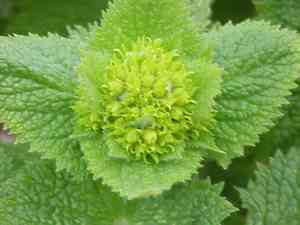
Distinguished by its elevated, downy stalks, hoary mullein thrives with judicious trimming. Eliminate faded floral stalks to inhibit self-propagation. During springtime, clear out previous year's growth to encourage fresh sprouts. Summer upkeep entails deadheading to improve aesthetic appeal and vitality. Prompt trimming aids in managing growth and averts undesirable dissemination, preserving hoary mullein's decorative worth and environmental equilibrium within the landscape. Exercise caution, as hoary mullein's trichomes may induce skin irritation.
What Are the Benefits of Pruning Hoary Mullein?
What Are the Benefits of Pruning Hoary Mullein?
Trimming hoary mullein encourages robust development by eliminating dead or weak stalks, improving air circulation and light exposure. Trimming also preserves the plant's form, boosting its aesthetic appeal while lowering disease risk.
What Is the Best Time for Pruning Hoary Mullein?
What Is the Best Time for Pruning Hoary Mullein?
Trimming hoary mullein in late spring and early summer coincides with the period just after its spring growth surge, but before it produces seeds. This timing ensures the plant can recover from pruning prior to its late summer flowering. Pruning during this window allows for the removal of any winter frost-damaged or dead tissue, which can revitalize growth and enhance overall plant health. Additionally, it helps shape the plant and manage its size, especially crucial for hoary mullein due to its potential for aggressive growth. By pruning before flowering, gardeners can also prevent unwanted self-seeding, as hoary mullein is known to generate a large number of seeds that can lead to over-proliferation.
What Tools Do I Need to Prune Hoary Mullein?
Hand Pruners
Perfect for cutting back smaller stems and spent hoary mullein flowers to maintain plant health and appearance. Opt for bypass pruners for clean cuts without crushing delicate stems.
Loppers
Useful for severing thicker stems that hand pruners cannot manage. Given the size of hoary mullein, loppers are suitable for shaping and removing larger, woody growth.
Gardening Gloves
Protective gloves are essential when handling hoary mullein to prevent irritation from its fuzzy leaves.
Pruning Saw
If hoary mullein has developed particularly thick stems, a pruning saw might be necessary to effectively manage its growth.
How to Prune Hoary Mullein
Disinfect tools
Before trimming hoary mullein, ensure all pruning implements are sanitized to prevent disease spread. Wipe them with alcohol or a 10% bleach solution.
Remove diseased leaves
Carefully trim any diseased leaves from hoary mullein using sharp, clean secateurs. Cut close to the leaf stem's base without harming the main stem.
Remove withered leaves
Identify and trim withered or old leaves, which may be dry or discolored. Gently remove them by cutting at the base to encourage healthy growth and airflow.
Prune diseased stems
For any diseased hoary mullein stems, cut the stem back to healthy tissue. Ensure a clean cut angled away from the remaining healthy stems to facilitate water runoff.
Cleanup
After trimming hoary mullein, remove all pruned material from the area to reduce disease spread risk. Dispose of diseased plant matter properly.
Common Pruning Mistakes with Hoary Mullein
Overpruning
Removing excessive foliage from hoary mullein in a single pruning session can stress the plant, leading to poor growth or reduced flowering.
Improper cut location
Cutting hoary mullein too far above or below leaf nodes or growth buds can result in unsightly stubs or damage that may invite disease or pests.
Using dull tools
Trimming hoary mullein with dull tools can cause unnecessary damage to plant tissue, leading to ineffective healing and potential entry points for disease.
Neglecting sanitation
Failing to clean pruning tools before and after working on hoary mullein can spread diseases and pests from one plant to another.
Inadequate watering
Not adjusting watering after trimming hoary mullein can lead to either overwatering or underwatering, as the plant's water needs may change with less foliage.
Common Pruning Tips for Hoary Mullein
Selective pruning
Perform selective trimming on hoary mullein by removing only dead, diseased, or weak stems to promote better air circulation and sunlight penetration, encouraging a healthier plant.
Sterilize tools
Always sterilize pruning tools before and after use on hoary mullein to prevent the spread of diseases and pests.
Make clean cuts
Use sharp, clean pruning tools to make precise cuts close to a bud or branching point on hoary mullein to promote quicker healing and reduce disease risk.
Thin out
Thin out crowded areas of hoary mullein to maintain its natural shape, improve air circulation, and enhance light access to prevent disease and promote robust growth.
Prune early
Trimming hoary mullein early in its growth cycle can help maintain the desired shape and size while potentially increasing its flowering potential.
Support regrowth
After trimming hoary mullein, provide adequate nutrients and water to support new growth; however, be cautious not to overwater.



