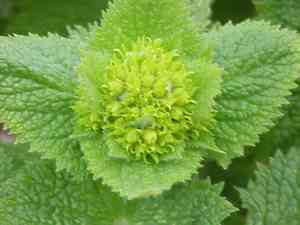
Hoary mullein (Verbascum pulverulentum)
Also known as: Violetstamen mullein
Hoary mullein, originating from the British Isles and western Europe, typically blooms in summer. Its flowers are most often bright yellow, but can also appear in orange, red-brown, purple, blue, or white. Due to their striking appearance, several cultivars of hoary mullein have been honored with the Royal Horticultural Society's Award of Garden Merit.
Attributes of Hoary mullein
Images of Hoary mullein
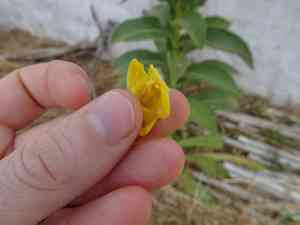
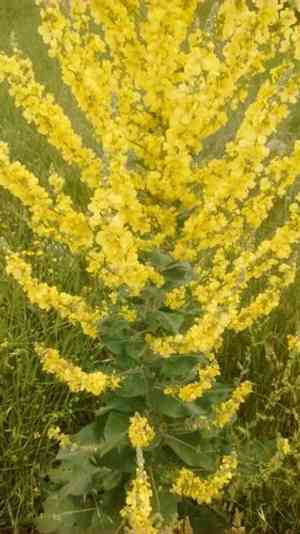
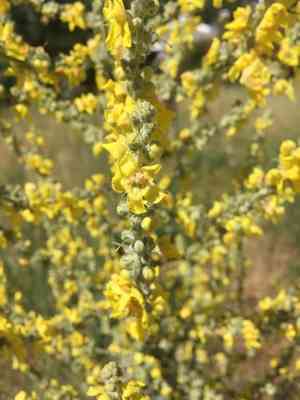
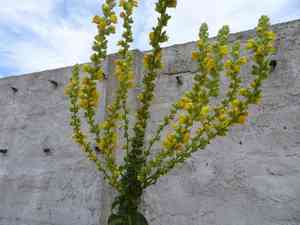
Quickly Identify Hoary mullein
Scientific Classification of Hoary mullein
Planting and Growing of Hoary mullein
 How to Water Hoary mullein?
 What Are the Sunlight Requirements for Hoary mullein?
 What Is the Ideal Temperature Range for Hoary mullein?
 What Soil is Best for Hoary mullein?
 How to Fertilize Hoary mullein?
 How to Prune Hoary mullein?
 How to Propagate Hoary mullein plant?
 How to Repot Hoary mullein plant?
Toxicity of Hoary mullein
Is Hoary mullein toxic to humans?
The hoary mullein exhibits a low degree of toxicity in humans, primarily resulting from the consumption of its seeds. These seeds are known to contain rotenoids and saponins, compounds that can disrupt various biological processes and potentially lead to negative health effects. Upon ingestion, these substances may cause symptoms such as gastrointestinal distress, nausea, vomiting, and diarrhea. The intensity of these symptoms can differ based on the quantity consumed; however, due to the relatively mild toxicity of the plant, these symptoms are generally not life-threatening. It is crucial for individuals to take precautions to prevent accidental ingestion of hoary mullein seeds, particularly since other parts of the plant do not possess the same toxic characteristics.
Is Hoary mullein toxic to cat?
Hoary mullein is a hazardous plant recognized for its potential danger to cats upon consumption. Cats are at risk of poisoning mainly when they inadvertently ingest certain parts of the plant, particularly the seeds. The harmful substances found in hoary mullein comprise rotenoids and saponins, which may result in severe health issues. Following the consumption of hoary mullein, affected felines might display clinical signs that reflect physical discomfort, illness, or distress. It is essential for cat owners to supervise their pets and prevent them from accessing the toxic components of this plant. If ingestion is suspected, prompt veterinary attention is vital to address the poisoning effects and administer appropriate treatment.
Is Hoary mullein toxic to dog?
Hoary mullein is regarded as toxic to dogs. Canines may inadvertently consume this plant, which creates a risk of poisoning. The primary means by which dogs become poisoned is through the ingestion of the plant's seeds, which they might accidentally eat. Following the intake of hoary mullein parts, dogs can display a range of symptoms that indicate poisoning. These symptoms might encompass gastrointestinal distress, fatigue, breathing difficulties, or other signs of discomfort. It is crucial for dog owners to remain vigilant and keep their pets away from areas where hoary mullein is present, particularly during its seeding period. If a dog is suspected of being poisoned by hoary mullein, it is vital to obtain immediate veterinary assistance to ensure the best possible outcome for the animal.



