How to Prune Tobacco root?
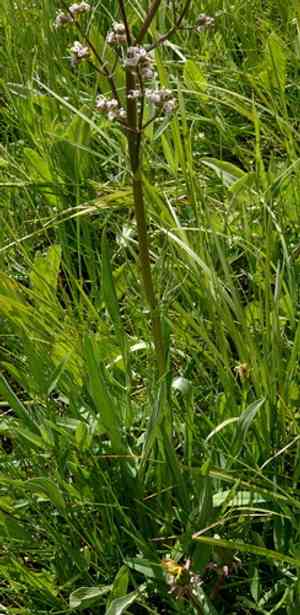
Tobacco root, a perennial herb known for its therapeutic qualities, flourishes with limited trimming to eliminate spent or withered blossoms, fostering more robust development. Essential methods involve deadheading and reducing congested stalks. The most suitable periods for pruning are in late winter to early spring, prior to the emergence of new foliage. Trimming tobacco root at this juncture revitalizes the plant for the upcoming season, boosts floral output, and sustains plant strength without excessive stimulation. Consistent pruning additionally aids in managing its dimensions and form.
Advantages of Trimming Tobacco Root
Advantages of Trimming Tobacco Root
Trimming tobacco root promotes robust development by reallocating energy to new shoots and maintains an appealing form for aesthetic and structural balance.
Optimal Time for Pruning Tobacco Root
Optimal Time for Pruning Tobacco Root
Pruning tobacco root in late winter to early spring, just before the new growth cycle begins, is crucial for the plant's health and productivity. This timing coincides with tobacco root's dormant period, making it less vulnerable to stress and diseases from pruning cuts. During this phase, the absence of leaves also provides a clear view of the plant's structure, allowing for more precise trimming. Furthermore, pruning before the spring growth spurt enables tobacco root to direct its energy towards developing new shoots and flowers from the remaining buds, fostering vigorous growth and a strong flowering period. Additionally, removing dead or damaged material at this time can improve air circulation and sunlight penetration, vital for tobacco root's health and fruiting capacity.
Tools Required for Pruning Tobacco Root
Hand Pruners
Sharp bypass hand pruners are suitable for making clean cuts on tobacco root's stems without causing harm. They are perfect for cutting through woody and fibrous stems, ensuring precise cuts for healthy regrowth.
Pruning Shears
For thinner stems and delicate trimming needs, pruning shears are an appropriate tool for tobacco root, allowing for precision when removing dead or overgrown parts of the plant.
Garden Scissors
Garden scissors can be used for finer trimming and shaping of tobacco root, especially for cutting back soft foliage and deadheading flowers to encourage new growth.
Loppers
If tobacco root has thicker branches that are out of reach of hand pruners, loppers with long handles are recommended to apply greater cutting force with less effort.
Pruning Saw
For larger, mature specimens of tobacco root that may develop woody stems too thick for hand pruners and loppers, a compact pruning saw is essential for making clean cuts without causing splintering or tearing.
How to Prune Tobacco Root
Sanitize Tools
Before beginning the pruning process, disinfect your pruning shears with rubbing alcohol or a bleach solution to prevent the spread of diseases to tobacco root.
Identify Diseased Leaves
Carefully inspect tobacco root to identify any leaves that show signs of disease, such as discoloration, spots, or decay.
Remove Diseased Leaves
Using sanitized pruning shears, carefully trim off the diseased leaves at the base where they connect to the main stem or branch, ensuring a clean cut without damaging healthy parts of tobacco root.
Identify Withered Leaves
Examine tobacco root for leaves that are withered or dead, which may look dry, brown, or crumbly.
Trim Withered Leaves
Prune the identified withered leaves at their base, similar to the diseased ones, taking care not to harm new growth or buds on tobacco root.
Common Pruning Errors with Tobacco Root
Over-Pruning
Removing too much of tobacco root's growth at once can shock the plant, potentially leading to weakened health or even plant death.
Improper Tool Use
Using dull or dirty pruning tools can result in jagged cuts or disease introduction to tobacco root.
Pruning Healthy Growth
Cutting away healthy stems or leaves instead of just the dead or diseased portions can inhibit tobacco root's natural growth and reduce its vigor.
Neglecting Disease Control
Failing to remove diseased parts of tobacco root, which can spread infections and affect overall plant health.
Disregarding Plant Form
Pruning without considering tobacco root's natural shape may result in an undesirable appearance and affect its growth pattern.
General Pruning Advice for Tobacco Root
Sanitized Tools
Always use clean, sharp pruning shears to make clean cuts that tobacco root can heal from quickly, reducing the risk of disease.
Strategic Cutting
Prune with a strategy, targeting dead, diseased, or overgrown parts to improve air circulation and light penetration for tobacco root.
Incremental Pruning
Prune tobacco root gradually over time rather than all at once, to prevent shock and encourage healthier growth.
Consider Plant Cycle
Understand tobacco root's growth cycle to prune at a time that aligns with the plant's natural phase of growth or dormancy.
Protective Growth
Leave some older stems on tobacco root, as they provide energy for the plant and can foster stronger new growth.



